
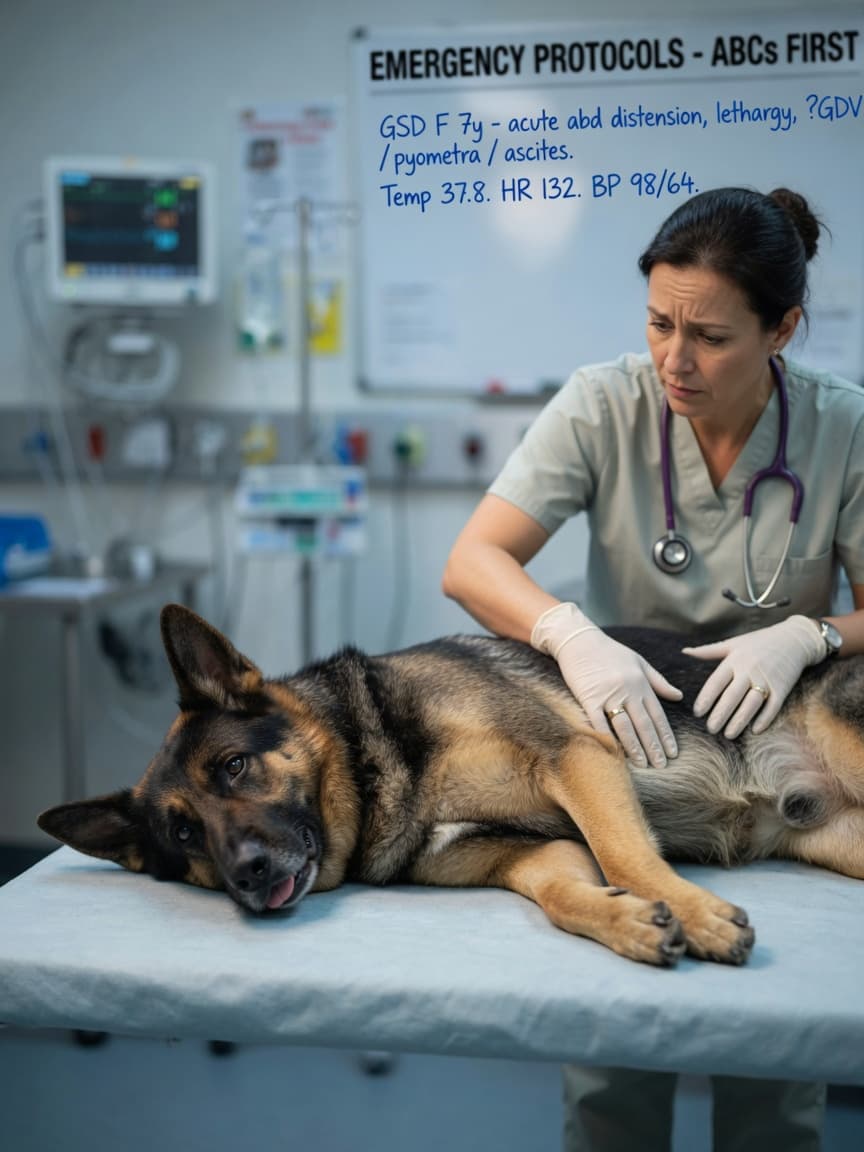
A Silent Emergency That Strikes Without Warning
Approximately one in four intact female dogs will develop pyometra by the time they reach ten years of age. That figure alone should give every dog owner pause. Pyometra is a severe bacterial infection of the uterus that can progress from subtle lethargy to organ failure within days. It is not a condition to monitor at home and hope for the best — it demands immediate veterinary intervention.
What Causes Pyometra
Pyometra develops as a consequence of repeated hormonal cycles in an unspayed female dog. Each oestrus (heat) cycle causes the uterine lining to thicken in preparation for potential pregnancy. Over successive cycles, this thickening — known as cystic endometrial hyperplasia — creates an environment where bacteria, most commonly Escherichia coli, can thrive.
The condition typically occurs four to eight weeks after a heat cycle, when progesterone levels remain elevated and the cervix begins to close. Older dogs are at higher risk simply because they have endured more cycles, but pyometra can occur in younger animals too.
Recognising the Signs

Pyometra presents in two distinct forms, and recognising the difference matters enormously for your dog's survival.
Open Pyometra
In open pyometra, the cervix remains partially open and a discharge — ranging from creamy white to bloody brown — drains from the vulva. Owners sometimes mistake this for a normal post-heat discharge. It is not. If you notice any unusual discharge from your intact female dog, contact your vet that same day.
Closed Pyometra
Closed pyometra is considerably more dangerous because there is no visible discharge. The cervix is sealed, and pus accumulates inside the uterus. Affected dogs typically show:
- Lethargy and reluctance to move
- Reduced or absent appetite
- Excessive thirst and urination
- Abdominal distension or pain
- Vomiting or diarrhoea
- Fever, though some dogs run a subnormal temperature
Because the signs mimic several other conditions, closed pyometra is frequently misidentified in its early stages. By the time the abdomen is visibly swollen, the dog may already be in septic shock.
Diagnosis and How Quickly It Must Happen
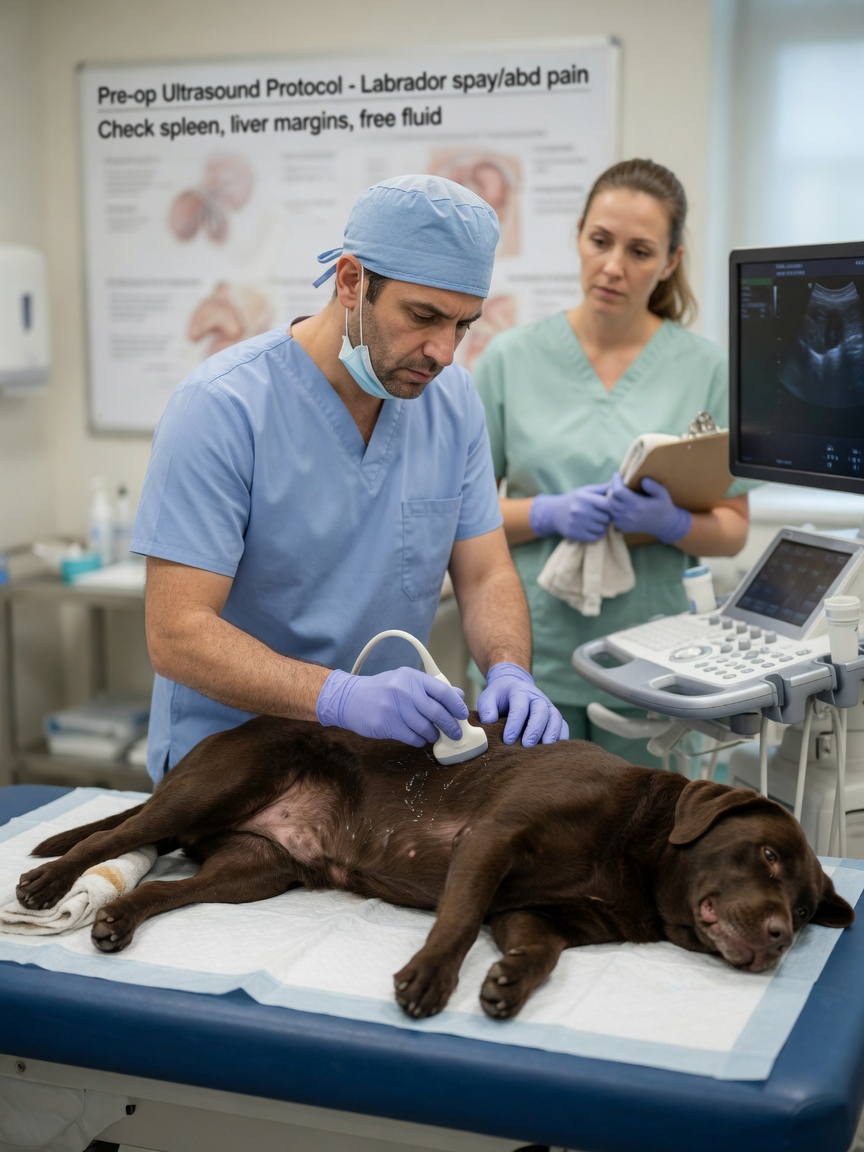
Your vet will combine a physical examination with blood tests, urinalysis, and imaging. Ultrasound is particularly valuable — it can visualise a fluid-filled, distended uterus and confirm the diagnosis without exploratory surgery. Blood work often reveals an elevated white cell count, anaemia, and impaired kidney function, all of which influence the surgical plan and prognosis.
Time is the critical variable. A dog with closed pyometra that is left untreated for even 24 to 48 hours faces a dramatically poorer outcome. If your vet suspects pyometra, same-day diagnostic workup is not overcaution — it is necessary.
Treatment Options
Surgical Treatment: The Gold Standard
Emergency ovariohysterectomy — removal of the uterus and ovaries — is the definitive treatment and the approach most vets will recommend. When performed before the uterus ruptures or the dog enters septic shock, survival rates are high. Post-operative care includes intravenous fluids, antibiotics, and close monitoring, but most dogs recover well and go on to live full, healthy lives.
The word "spay" does not do justice to the complexity of this surgery when performed on a critically ill animal with a distended, friable uterus. It requires skill, speed, and a well-equipped team. This is not a procedure to delay by seeking a cheaper option elsewhere.
Medical Management: Limited and Specific Circumstances
In young dogs of high breeding value with open pyometra and no systemic illness, some vets may attempt medical management using prostaglandins or aglepristone to open the cervix and expel the infection. This approach carries significant risks, requires intensive monitoring, and is not appropriate for closed pyometra or a dog showing signs of systemic illness. Even when successful, recurrence at the next heat cycle is common. It should never be considered a substitute for surgery in a dog that is unwell.
Prevention: The Straightforward Solution
Spaying your female dog eliminates the risk of pyometra entirely. The British Veterinary Association and most reproductive health specialists recommend spaying for female dogs not intended for responsible breeding. The ideal timing varies by breed and size — your vet is the right person to advise on this for your individual dog.
For intact dogs being kept for breeding, vigilance after every heat cycle is essential. Know the signs, maintain regular veterinary check-ups, and do not delay if something seems off.
What to Do Right Now
- If your intact female dog shows any discharge, lethargy, increased thirst, or abdominal changes within eight weeks of a heat cycle, call your vet immediately — do not wait to see if it resolves
- Do not attempt to manage suspected pyometra at home with supplements or dietary changes
- Discuss spaying with your vet if your dog is not being used for breeding
- Ensure your vet has an up-to-date record of your dog's heat cycle dates to aid rapid diagnosis
- If you are told your dog has pyometra, ask specifically about surgical timing — hours matter
Pyometra is one of those conditions where knowing what to look for and acting decisively is the difference between a routine recovery and a devastating loss. Trust your instincts, call your vet, and move quickly.