
Understanding Core and Non-Core Vaccines
Vaccinations are one of the most important steps you can take to protect a new puppy's health. They work by preparing the immune system to recognise and fight specific pathogens before your dog ever encounters them in the real world. But with so many vaccines available, it can feel overwhelming knowing where to start.
Veterinary guidelines divide puppy vaccines into two categories: core and non-core. Core vaccines are recommended for every puppy regardless of lifestyle or location. Non-core vaccines are given based on your dog's individual risk factors, such as where you live, your dog's activity level, and how much contact they have with other animals.
Core vaccines for puppies in the UK typically include distemper, adenovirus (hepatitis), parvovirus, and often leptospirosis. The distemper, adenovirus, and parvovirus components are usually combined into a single injection known as DHPPi or similar combinations depending on the manufacturer.
The Primary Vaccination Course

Puppies are born with some immunity passed from their mother through colostrum, the first milk produced after birth. This maternal antibody protection is valuable but temporary, and it can actually interfere with vaccines if given too early. The timing of the primary course is designed to catch puppies at the point where maternal immunity has waned but before they are exposed to disease.
Six to Eight Weeks
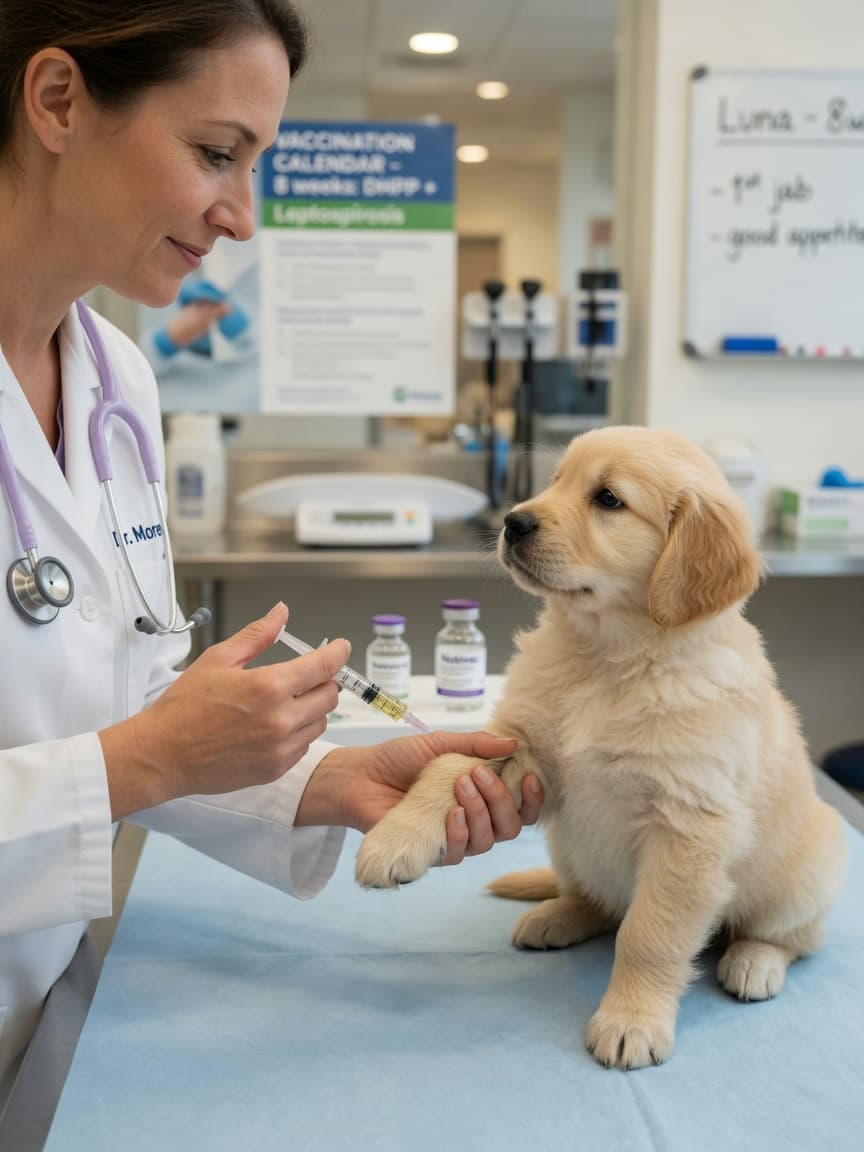
The first vaccines are typically given between six and eight weeks of age. At this stage, the puppy's immune system is still developing, so the primary aim is to begin building protection rather than achieving full immunity immediately. Many breeders arrange this first vaccination before puppies go to their new homes.
- DHPPi (distemper, hepatitis, parvovirus, parainfluenza)
- Some vets include an initial leptospirosis vaccine at this point
Ten to Twelve Weeks
The second injection in the primary course is given two to four weeks after the first. This booster is critical because it consolidates the immune response and extends protection significantly. Without this second dose, the first vaccine alone may not provide reliable immunity.
- Second DHPPi booster
- Leptospirosis (if not started at six to eight weeks, this may be the first dose)
- Kennel cough (Bordetella bronchiseptica and parainfluenza), depending on risk
Fourteen to Sixteen Weeks
Some vaccination protocols include a third DHPPi dose at this age, particularly for parvovirus, which is a highly resilient and potentially fatal virus. Not all vets follow this three-dose schedule, but it is increasingly recommended for puppies in high-risk environments or those with unknown maternal antibody status. Your vet will advise whether this is appropriate for your puppy.
If leptospirosis was started at ten to twelve weeks, the second dose of that vaccine is given at this appointment.
After the Primary Course: How Long Until They Are Protected?
Full protection is not immediate. Most puppies achieve reliable immunity approximately one to two weeks after their final primary vaccination. During this window, it is wise to limit exposure to public parks, areas where unknown dogs have been, and standing water. However, this does not mean your puppy should be entirely isolated. Controlled socialisation with vaccinated, healthy dogs in private settings remains important for their development.
The First Annual Booster
The first booster is given at twelve months of age, approximately one year after the puppy primary course is complete. This booster is particularly important because studies have shown that immunity from the primary course can wane in some individuals before the adult three-yearly cycle begins.
At this visit, your vet will typically administer:
- DHPPi booster
- Annual leptospirosis booster
- Kennel cough, if required
- Rabies, if you plan to travel with your dog internationally
Adult Booster Schedule
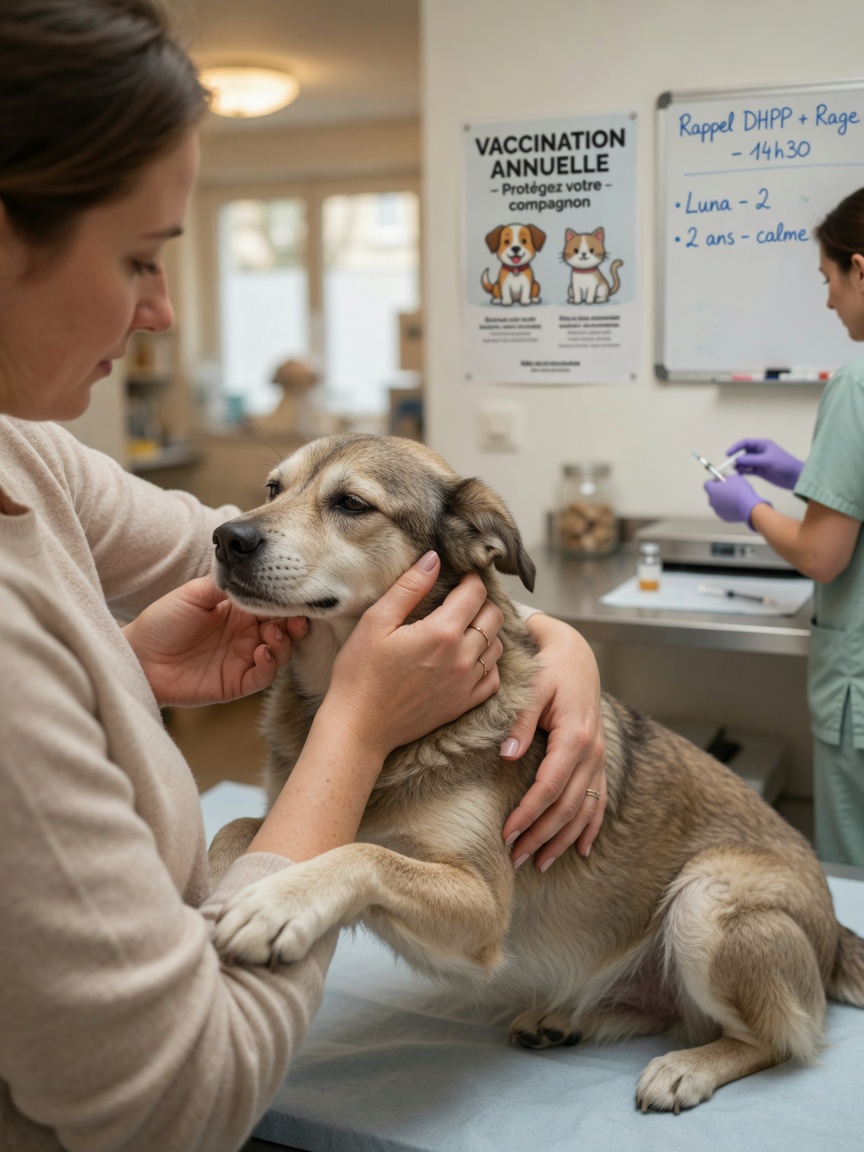
Following the twelve-month booster, most core vaccines switch to a three-year cycle. Leptospirosis remains an annual vaccine due to the shorter duration of immunity it provides. Your vet will maintain a record of your dog's vaccination history and send reminders when boosters are due.
It is worth noting that some pet owners question whether adult boosters are always necessary. Titre testing, which measures the level of protective antibodies in the blood, is an alternative that can determine whether your dog still has adequate immunity before administering a booster. Speak to your vet if this is something you want to explore.
Non-Core Vaccines Worth Discussing
Depending on your puppy's lifestyle, your vet may recommend additional protection beyond the standard core vaccines.
Kennel Cough
This is strongly recommended if your dog will visit kennels, dog daycare, training classes, or shows. The vaccine is administered as nasal drops rather than an injection and requires annual renewal.
Rabies
Not required in the UK unless you intend to travel abroad with your dog. It must be given at least twenty-one days before travel and recorded on an official pet passport or animal health certificate.
Alabama Rot
There is currently no vaccine available for Alabama rot, which underlines the importance of the other preventative measures such as washing mud off paws after woodland walks.
Common Questions About Puppy Vaccinations
What if My Puppy Misses a Dose?
If there is a gap of more than the recommended interval between doses, your vet may advise restarting the primary course rather than simply continuing where you left off. Contact your vet as soon as possible rather than waiting until the next scheduled appointment.
Are There Side Effects?
Mild lethargy and soreness at the injection site are normal and usually resolve within twenty-four to forty-eight hours. Severe allergic reactions are rare but possible. Monitor your puppy for facial swelling, difficulty breathing, or persistent vomiting after vaccination and contact your vet immediately if these occur.
Can I Vaccinate My Puppy at Home?
In the UK, core vaccines are prescription-only medicines that must be administered by a veterinary professional. This also ensures your puppy receives a full health check at each visit, which is valuable in its own right.