
Are Probiotics Different for Cats?
Probiotics have become a routine recommendation for dogs, and their use in cats is growing. But there is an important distinction that is frequently overlooked in marketing: the feline gut microbiome is genuinely different from that of dogs or humans, and it responds differently to probiotic supplementation.
Cats are obligate carnivores. Their digestive tracts are shorter, their gut transit time is faster, and their intestinal environment is more acidic than that of omnivores like dogs or humans. This means that many probiotic strains studied and marketed for humans or dogs may not survive long enough in the feline gut to colonise or exert any meaningful effect. Species specificity matters more in cats than in almost any other domestic animal.
The Feline Gut Microbiome: What We Know
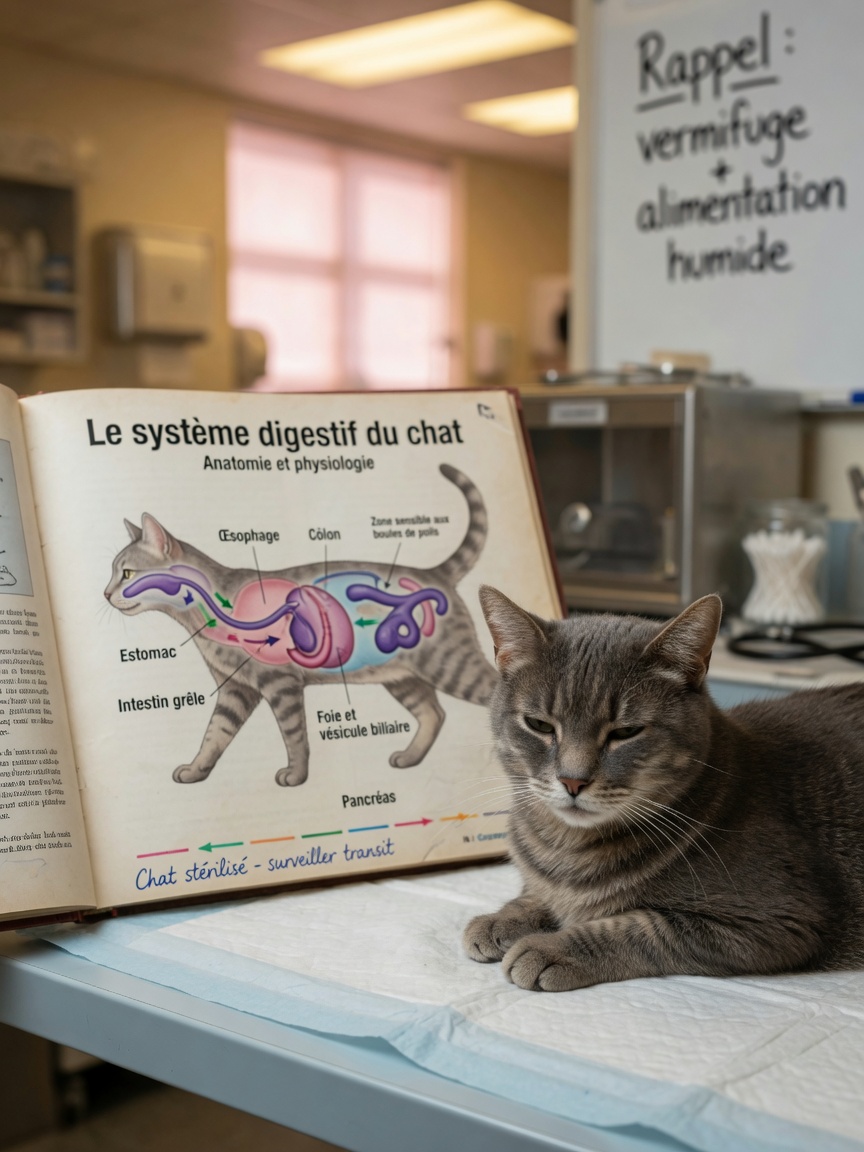
Research into the feline gut microbiome has accelerated significantly over the past decade. We now know that cats host a distinct community of bacteria dominated by genera such as Bacteroides, Fusobacterium, Clostridium and Bifidobacterium, with a composition that shifts according to diet, age, stress and health status.
Disruptions to this microbial community, known as dysbiosis, have been linked to a range of conditions in cats, including chronic enteropathy (persistent digestive disease), inflammatory bowel disease (IBD), and immune dysfunction. There is also growing evidence that the gut-brain axis in cats, the communication network between intestinal bacteria and the nervous system, plays a role in stress-related digestive symptoms.
This creates a plausible rationale for probiotic use. Restoring or supporting a healthy microbial balance could, in theory, benefit cats experiencing these disruptions. The question is which strains, in what amounts, and in which clinical situations.
The Most Studied Strain in Cats: Enterococcus faecium SF68
Of all the probiotic strains studied in cats, Enterococcus faecium SF68 has the strongest evidence base. Several clinical trials have examined its use in cats, including studies on antibiotic-associated diarrhoea, stress-induced digestive upset, and post-surgical recovery. Results have been broadly positive, with reductions in duration and severity of diarrhoea in treated cats compared to controls.
Lactobacillus species have also been studied in cats, with some showing promise for gut barrier support and immune modulation. However, the evidence is less consistent, and strain selection remains critical: not all Lactobacillus strains behave the same way, and those effective in humans may be inert or short-lived in the feline gut.
The World Small Animal Veterinary Association (WSAVA) has noted that the evidence base for probiotics in companion animals is growing but still limited, and that product quality and strain specificity remain significant concerns. They advise choosing products with published clinical data and clear strain identification rather than generic probiotic blends.
Avoid High-Dose Human Probiotics in Cats
This is a point that deserves emphasis. The probiotic market for humans has expanded enormously, and high-dose capsules containing billions of colony-forming units (CFUs) of Lactobacillus and Bifidobacterium strains are widely available. These are not appropriate for cats.
The strains selected for human products are chosen for survival in the human gut environment, which is considerably less acidic than that of cats. Administering high doses of human-formulated probiotics to cats risks introducing large numbers of bacterial strains that may not survive, colonise, or behave predictably in the feline intestinal tract. In some cases, particularly in immunocompromised cats, there is a theoretical risk of opportunistic infection, though this is considered rare.
Feline-specific probiotic products, or those specifically formulated and tested for cats, are always the preferred choice. Ask your vet for a product recommendation rather than selecting something designed for a different species.
When Might a Probiotic Help Your Cat?
The evidence is clearest in a handful of specific situations:
- During and after antibiotic treatment: Antibiotics disrupt the gut microbiome significantly. Giving a probiotic during a course of antibiotics (at a separate time of day to avoid the antibiotic killing the probiotic bacteria) and for two to four weeks after may help restore microbial balance and reduce antibiotic-associated loose stools.
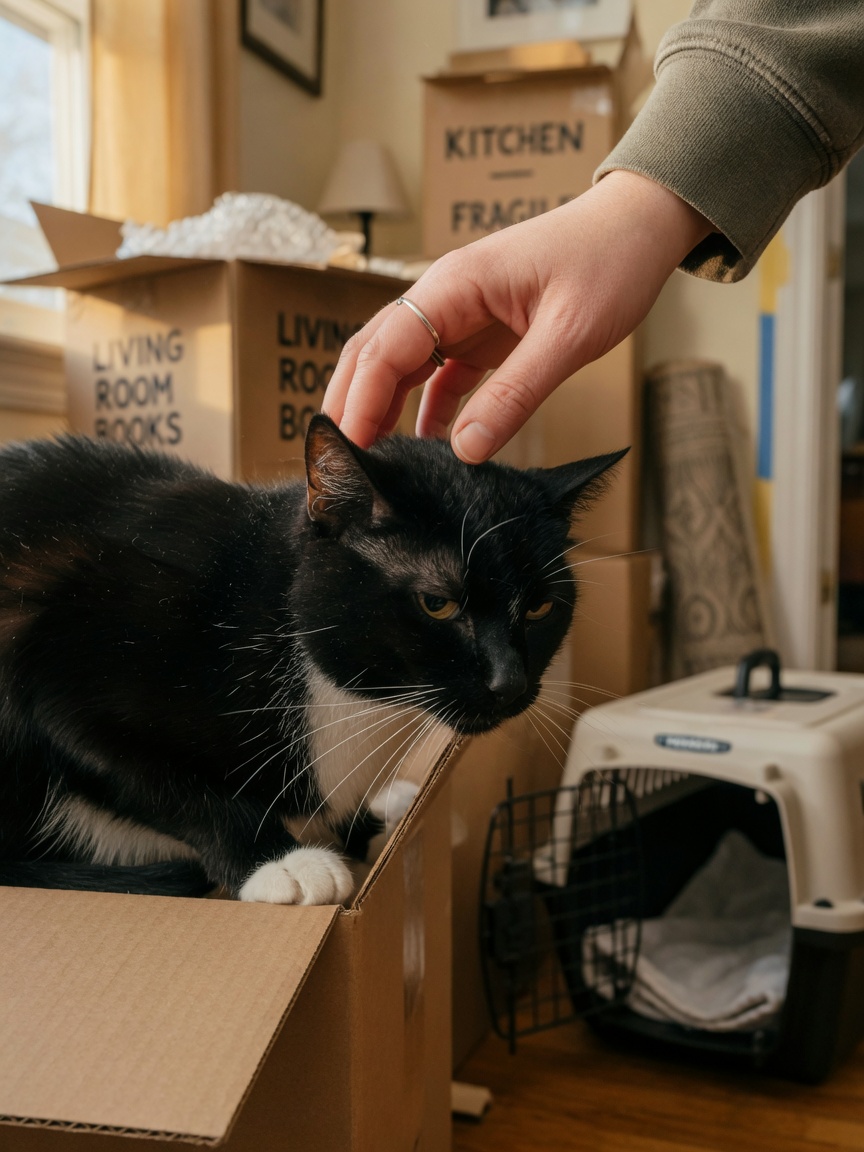
- Stress-related digestive upset: Cats are highly sensitive to environmental changes, and stress-induced diarrhoea is common. House moves, new pets, changes in routine or veterinary visits can all trigger digestive symptoms. Short-term probiotic use during high-stress periods may help stabilise gut function.
- Dietary transitions: Switching foods abruptly often causes digestive upset in cats. Probiotics may ease the transition by supporting microbial adaptation to a new food source.
- Chronic enteropathy and IBD: Some cats with chronic digestive disease may benefit from probiotics as part of a broader management plan. However, this should always be directed by a vet, as chronic conditions require proper diagnosis and treatment rather than supplement-led management.
- FIV/FeLV support: Cats with immune-compromising conditions may experience more frequent gut dysbiosis. Probiotics may offer supportive benefit, but the evidence is limited and vet oversight is essential, particularly given the immunocompromised status of these animals.
Signs That Your Cat's Gut Flora May Be Disrupted
You do not need a laboratory test to recognise signs of gut dysbiosis in cats. Common indicators include persistent loose stools or diarrhoea, increased flatulence, blood or mucus in faeces, reduced appetite, intermittent vomiting, and visible abdominal discomfort such as hunching or reluctance to be touched around the belly. These signs warrant veterinary assessment rather than self-treatment with a probiotic, as they can indicate conditions requiring specific diagnosis.
Forms of Probiotic Products for Cats
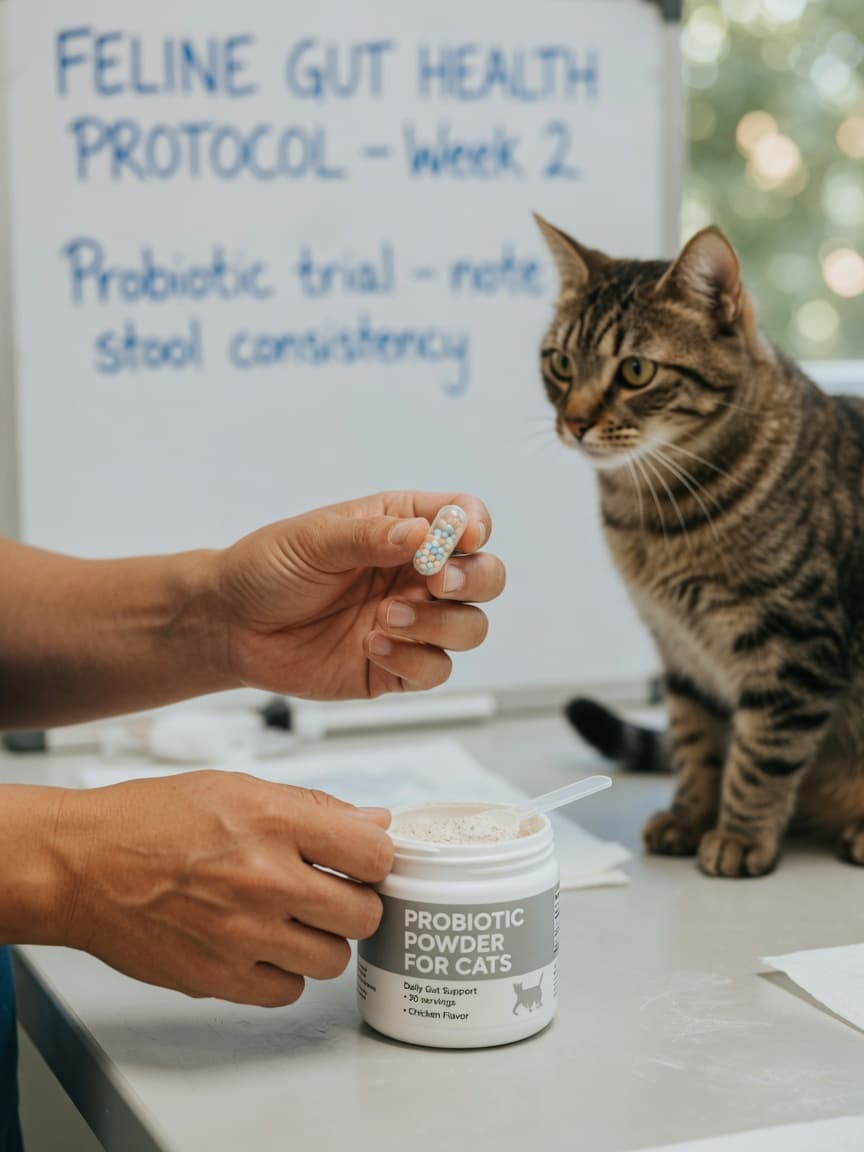
Cat probiotics come in several forms, including powders that can be sprinkled on food, capsules that can be opened and mixed in, chewable treats and liquid formulations. Powders mixed into wet food tend to work well for cats who would resist capsules. Whatever the format, check that the product specifies the strain (not just the genus), the CFU count at the time of expiry (not just manufacture), and that it has been tested in cats specifically.
The Verdict
Probiotics for cats are not snake oil, but they are also not a cure-all. The evidence supports their use in specific situations, particularly antibiotic recovery, stress-related diarrhoea and dietary transitions. For chronic conditions, they are a potential complement to veterinary treatment, not a substitute for it.
Choose feline-specific or species-tested products, avoid high-dose human formulations, and always discuss supplement use with your vet before starting, particularly if your cat has an ongoing health condition or is on medication. With the right product and appropriate expectations, probiotics can be a worthwhile part of your cat's health toolkit.