
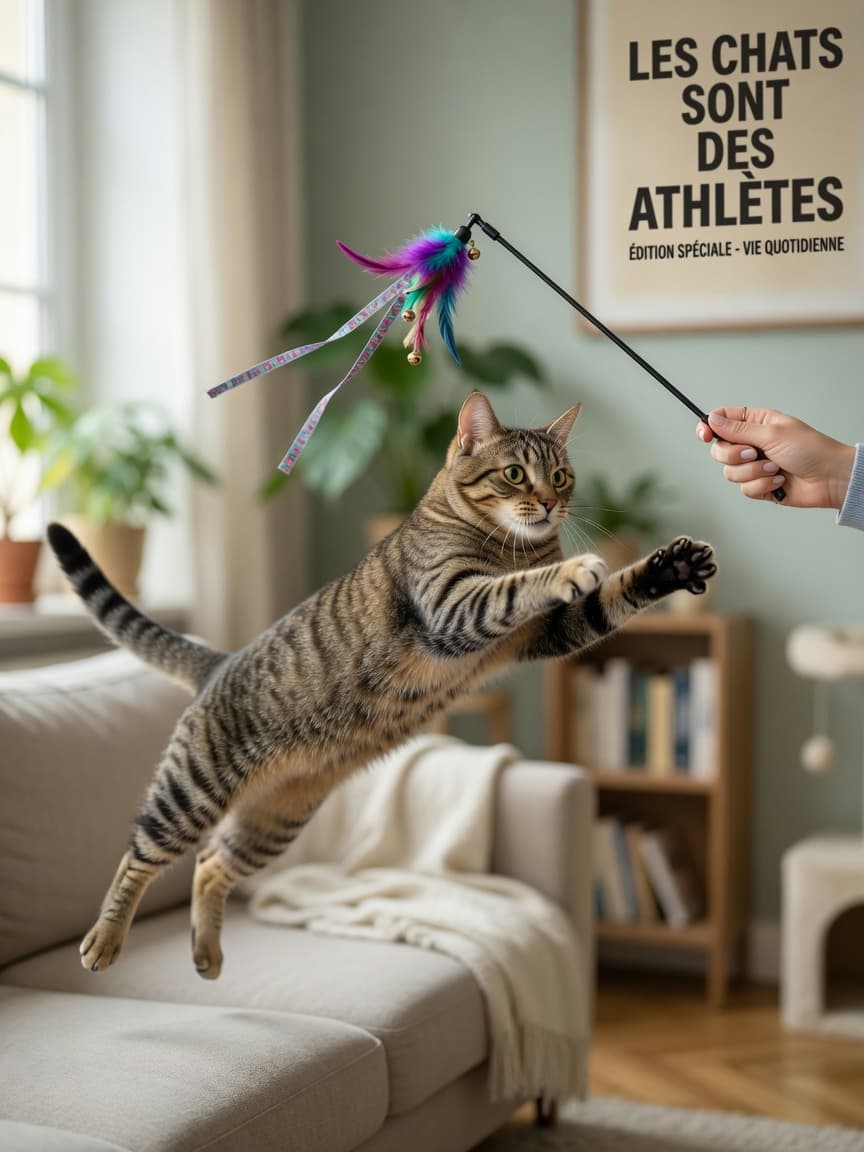
The Misunderstood Nature of Cat Play
There is a widely held assumption that cats are self-sufficient animals who entertain themselves perfectly well, require little interaction, and can take or leave the attention of their owners. This picture is particularly applied to adult cats, with play often regarded as something kittens do and then grow out of. The reality is considerably more nuanced — and more important.
Play behaviour in adult cats is not a quirk or a bonus feature of a happy cat. It is a fundamental biological need with direct implications for physical health, psychological wellbeing, and the quality of the human-animal bond.
Why Cats Play: The Predatory Connection
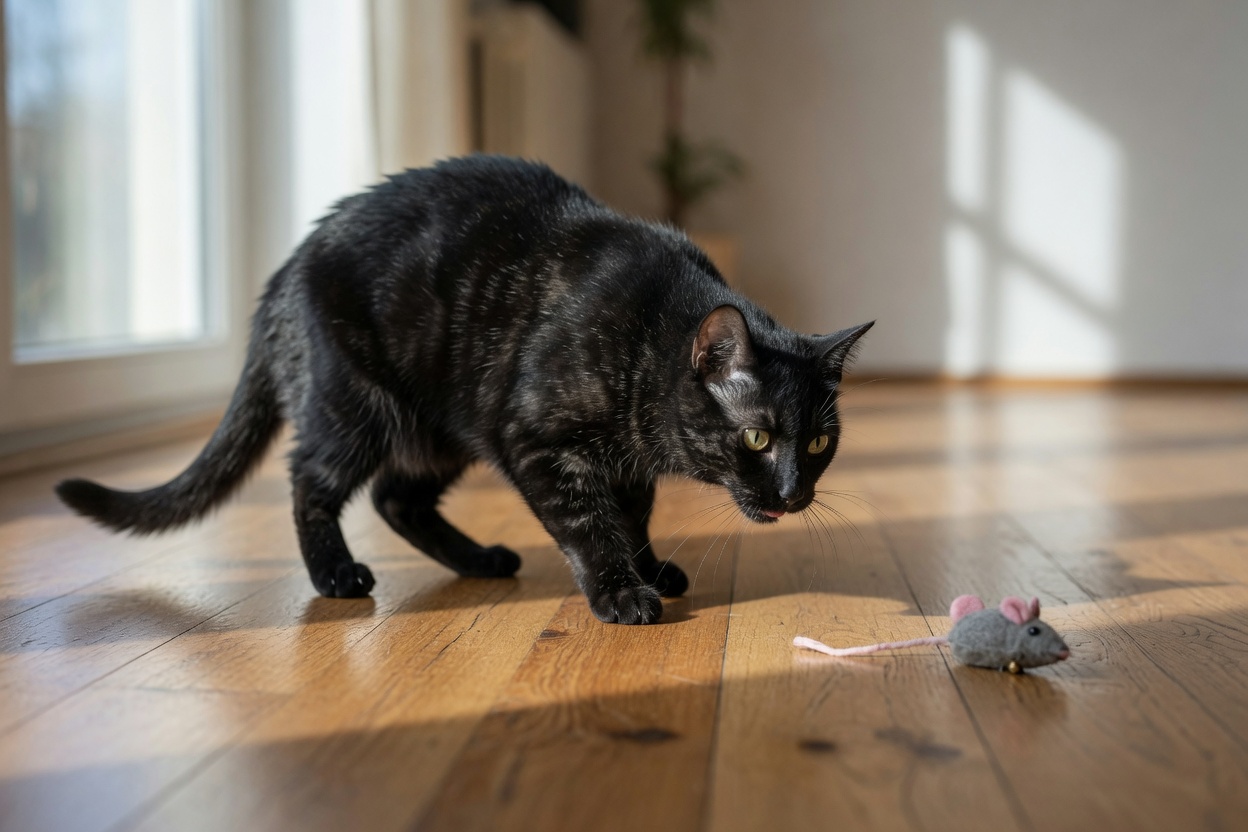
To understand why adult cats need play, it helps to understand what play actually is in feline terms. Unlike social play seen in dogs, which often involves interaction with conspecifics, cat play is predominantly predatory in nature. It mirrors the sequence of hunting behaviours: stalking, chasing, pouncing, and catching.
Domestic cats, regardless of whether they ever hunt for food, carry the full neurological and physiological toolkit of obligate carnivore predators. The urge to hunt does not disappear simply because food arrives reliably in a bowl. Research published in Animal Cognition demonstrated that domestic cats retain strong predatory motivation even when well-fed, underscoring that play is an expression of deeply embedded instinct rather than hunger.
When this predatory drive has no outlet, it does not simply dissolve. It builds — and it finds expression in ways that owners often find baffling or frustrating, such as biting ankles, ambushing feet, or sudden bursts of frantic movement with no apparent trigger.
The Physical and Mental Health Benefits of Regular Play
The benefits of play extend across multiple systems. On the physical side, regular interactive play maintains muscle tone, supports healthy body weight, and promotes joint flexibility — all increasingly important as cats move into middle and senior life. Obesity is one of the most common preventable conditions in domestic cats, and play remains one of the most natural forms of calorie expenditure available to an indoor cat.
Mentally, play provides cognitive stimulation. It requires cats to make rapid decisions, track moving objects, adjust trajectory, and respond to unpredictability. This kind of engagement activates neural pathways and helps maintain cognitive function. Studies in behavioural enrichment suggest that cognitively stimulated cats show lower rates of stereotypic behaviours — repetitive, compulsive actions that indicate chronic stress.
Emotionally, play appears to have a regulatory effect. A cat that has had an adequate play session, particularly one that reaches the pouncing and catching phase, tends to be calmer and more settled afterwards. This mirrors what is observed in carnivore predators more broadly: the completion of the hunt-catch-kill-eat sequence brings a state of satiation and calm.
How Much Play Does an Adult Cat Actually Need
The specific recommendation most commonly cited by veterinary behaviourists is two play sessions per day, each lasting between ten and fifteen minutes. This may sound modest, but it needs to be genuine interactive play — directed, engaged, and responsive — not simply leaving a toy on the floor and expecting the cat to amuse itself.
Wand toys that mimic the movement of prey are particularly effective because they allow the owner to control pace, trajectory, and the all-important pause that mimics a prey animal freezing. This unpredictability is what sustains a cat's engagement. Toys that move in the same pattern repeatedly lose their appeal rapidly because they stop resembling living prey.
The timing of play matters too. Play sessions scheduled before feeding can tap into the natural hunt-eat-groom-sleep sequence, which can be particularly useful for cats who struggle to settle at night. Many cat owners report significant improvements in nocturnal behaviour after adopting this structured routine.
Signs That a Cat Is Not Getting Enough Play
- Redirected aggression toward owners, such as unprovoked biting or scratching
- Excessive vocalisation, particularly at night
- Destructive behaviour including scratching furniture or knocking items over
- Over-grooming or other repetitive compulsive behaviours
- Weight gain from inactivity
- Lethargy or apparent low mood — an underplayed cat is often also an understimulated cat
- Hyperactivity in sudden bursts, sometimes called zoomies, indicating pent-up predatory energy
The Social Dimension: Play and the Human-Cat Bond
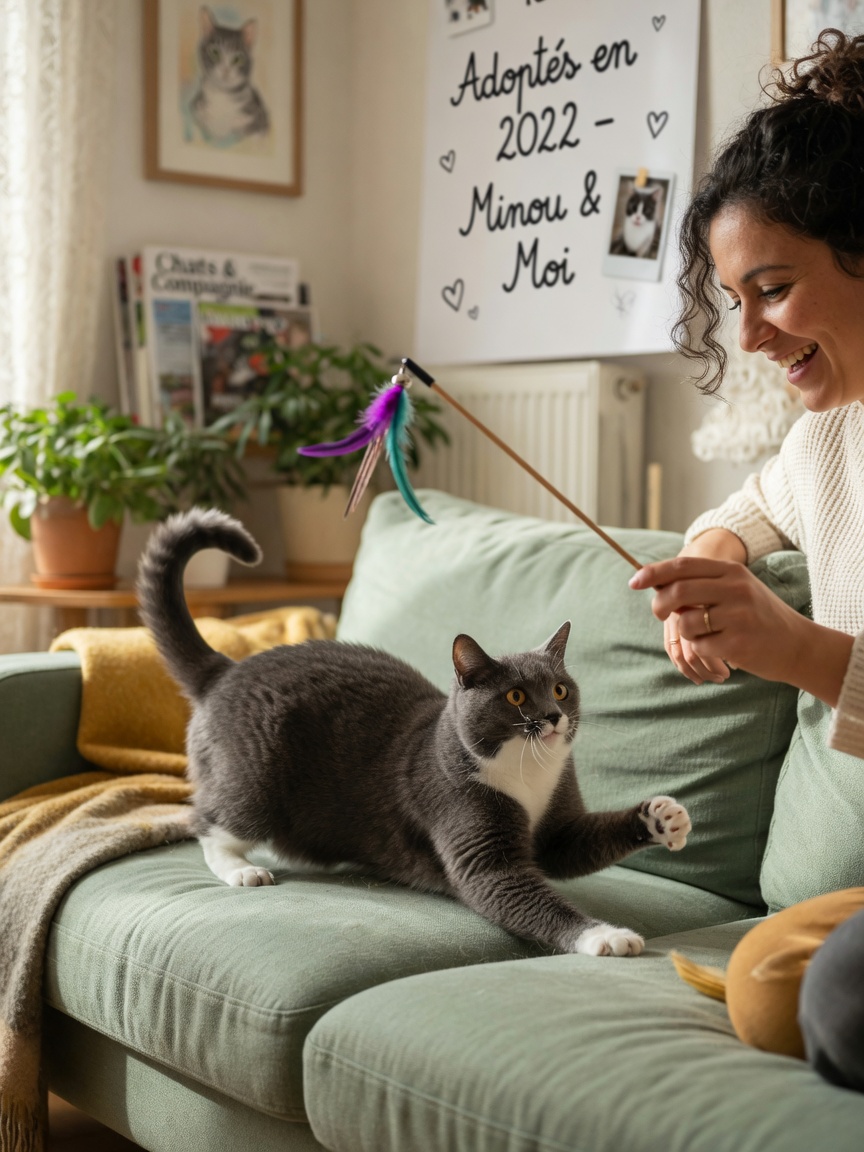
Interactive play is one of the primary ways cats form and maintain attachment to their human caregivers. A cat who regularly plays with an owner develops associations between that person and positive, stimulating experiences. This matters particularly for cats who are not naturally demonstrative, since play offers a low-pressure mode of connection that does not require the cat to accept being held or stroked.
Research from Oregon State University confirmed that cats do form genuine attachments to their owners, with the majority of cats tested showing a preference for human interaction over food, scent, or toys when given a choice. Play is one of the key currencies of that relationship.
Play Across a Cat's Lifespan
Play needs do change with age, but they do not disappear. Senior cats may have reduced mobility and shorter attention spans, but they still benefit enormously from gentle, age-appropriate play. Lower-to-the-ground wand movements, shorter sessions, and softer toys that are easier to grasp can keep older cats engaged without strain.
Adjusting play to the individual cat rather than following a rigid formula is the key principle. Some cats are intensely toy-focused; others prefer stalking and observation. Learning what captures your cat's attention is part of the ongoing relationship, and responding to those preferences signals to the cat that their needs are seen and met.
Adult cats who play regularly are, on the available evidence, healthier, calmer, and more connected to their owners. The investment is minimal. The returns are considerable.