
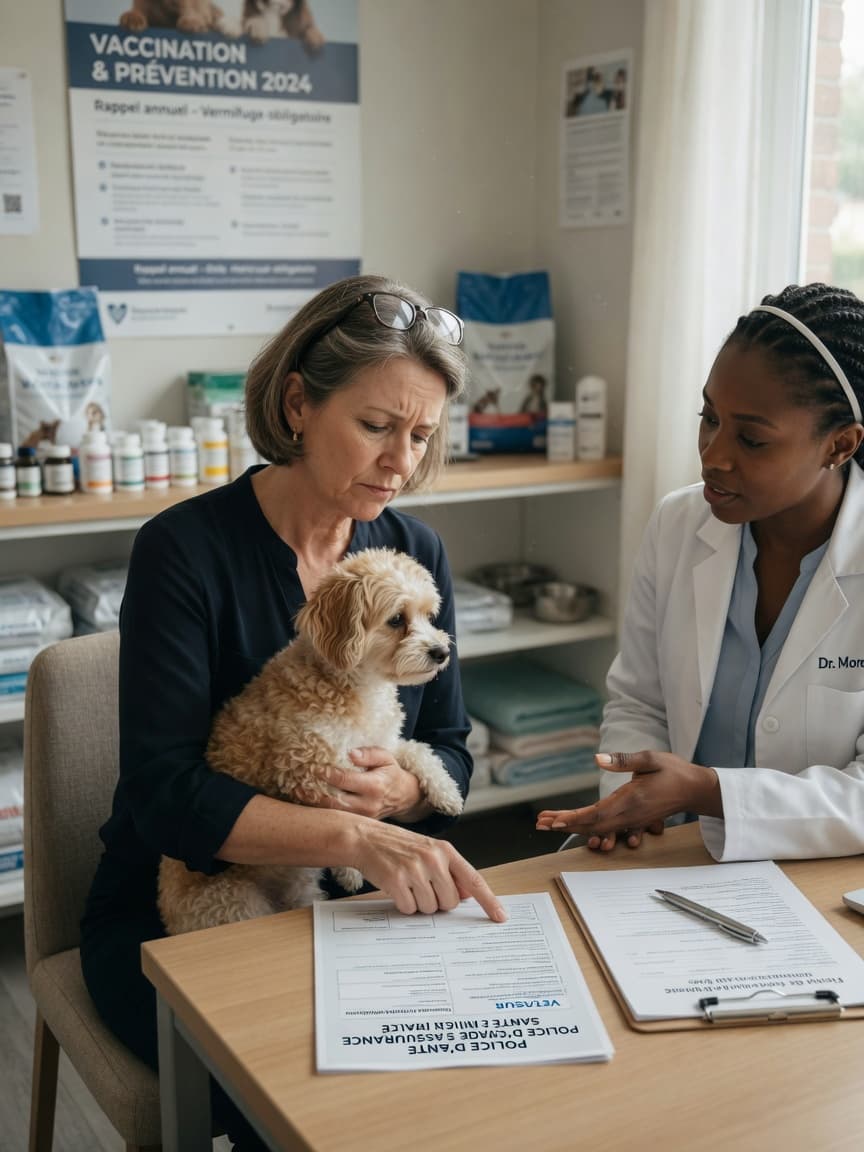
The Bill Nobody Plans For
A dog that swallows a foreign object, a cat with an unexplained limp that leads to a cancer diagnosis, a rabbit requiring emergency surgery — individual veterinary bills for these scenarios routinely run to thousands of pounds. Without insurance, the decision about treatment can become a financial one rather than a medical one. Pet insurance exists to remove that pressure, but the market is complex, and policies vary enormously in what they actually deliver when you need them most.
The Four Main Policy Types
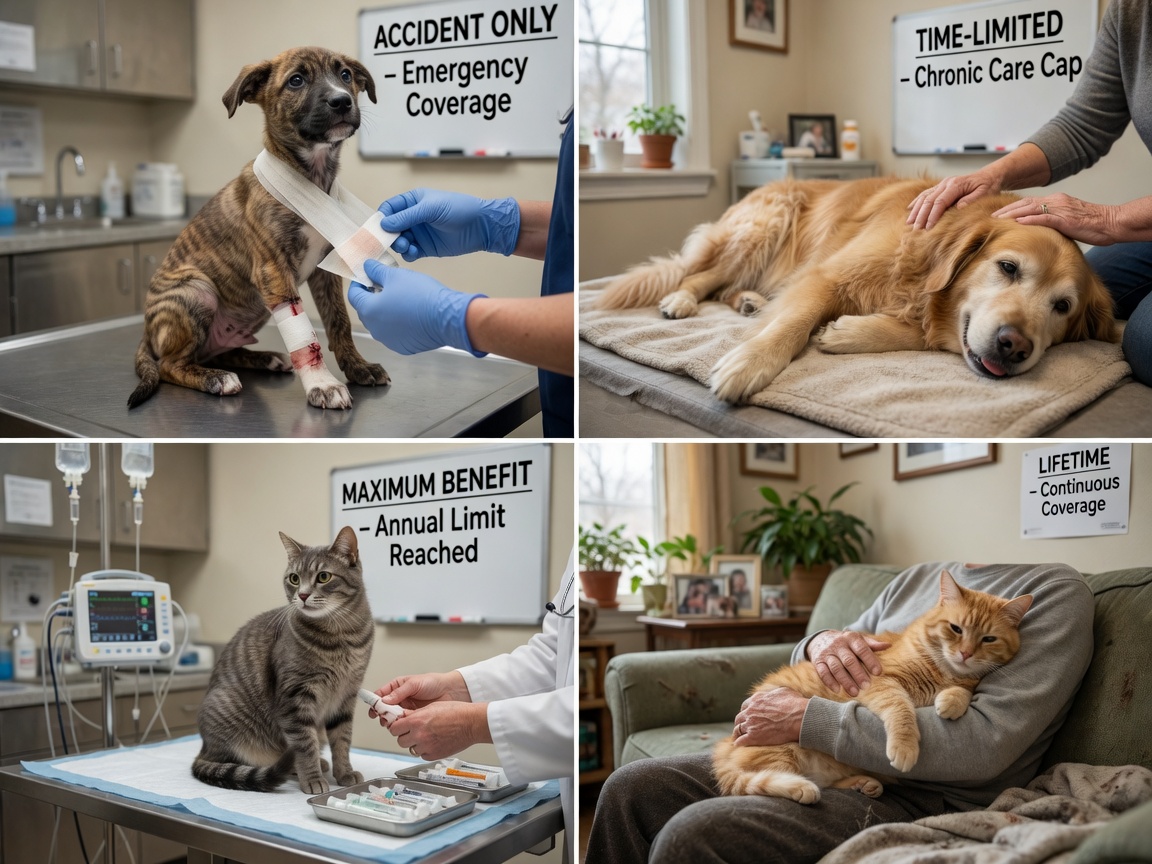
Understanding policy structure is the single most important step in choosing cover. Getting this wrong is far more consequential than comparing premiums.
Accident Only
Covers treatment for injuries caused by accidents — fractures, lacerations, poisoning — but not illness. The cheapest option, and suitable only if you can self-fund illness treatment or are covering a very low-risk animal. Not recommended for most pet owners.
Time-Limited
Covers each condition for a fixed period, typically twelve months from the date of the first treatment. Once the time limit expires, the condition becomes an exclusion. Chronic conditions — arthritis, diabetes, skin allergies — will fall out of cover after a single policy year.
Maximum Benefit
Covers each condition up to a fixed monetary limit with no time restriction. Once you have claimed the limit for a condition, it is excluded. Better for chronic conditions than time-limited policies, but still risks leaving you uncovered for long-term management costs.
Lifetime
Covers each condition up to a set amount per policy year, which renews annually. As long as you maintain the policy without a break, chronic conditions remain covered indefinitely. This is generally the most comprehensive option and is recommended for most pet owners who can afford the higher premium.
Standard Exclusions to Know Before You Buy
Even the best policies exclude certain things. Understand these before purchasing, not after a claim is declined.
- Pre-existing conditions — any condition that showed clinical signs before the policy start date, regardless of whether it was formally diagnosed
- Bilateral conditions — if one hip is claimed for, the other may be excluded in some policies
- Elective and preventive treatments — vaccinations, routine neutering, dental scaling, and flea or worming treatments are almost never covered
- Pregnancy and breeding costs
- Behavioural problems in some policies
- Waiting periods — most policies impose a waiting period of two to fourteen days after purchase before cover begins
What to Look for When Comparing Policies
- Annual vet fee limit — aim for at least £4,000 per year for cats, £7,000 or more for dogs; specialist referral costs escalate quickly
- Per-condition versus per-year limits — understand exactly how the monetary limit is structured
- Excess structure — fixed excess, co-payment percentage, or age-based co-payments that increase as your pet ages
- Dental cover — tooth extractions and periodontal disease treatment are common and expensive; check whether accidental and illness-related dental is included
- Complementary therapies — hydrotherapy and physiotherapy are frequently recommended post-surgery; not all policies cover them
- Third-party liability — standard in dog policies in the UK; covers you if your dog injures a person or damages property
Insuring at the Right Time
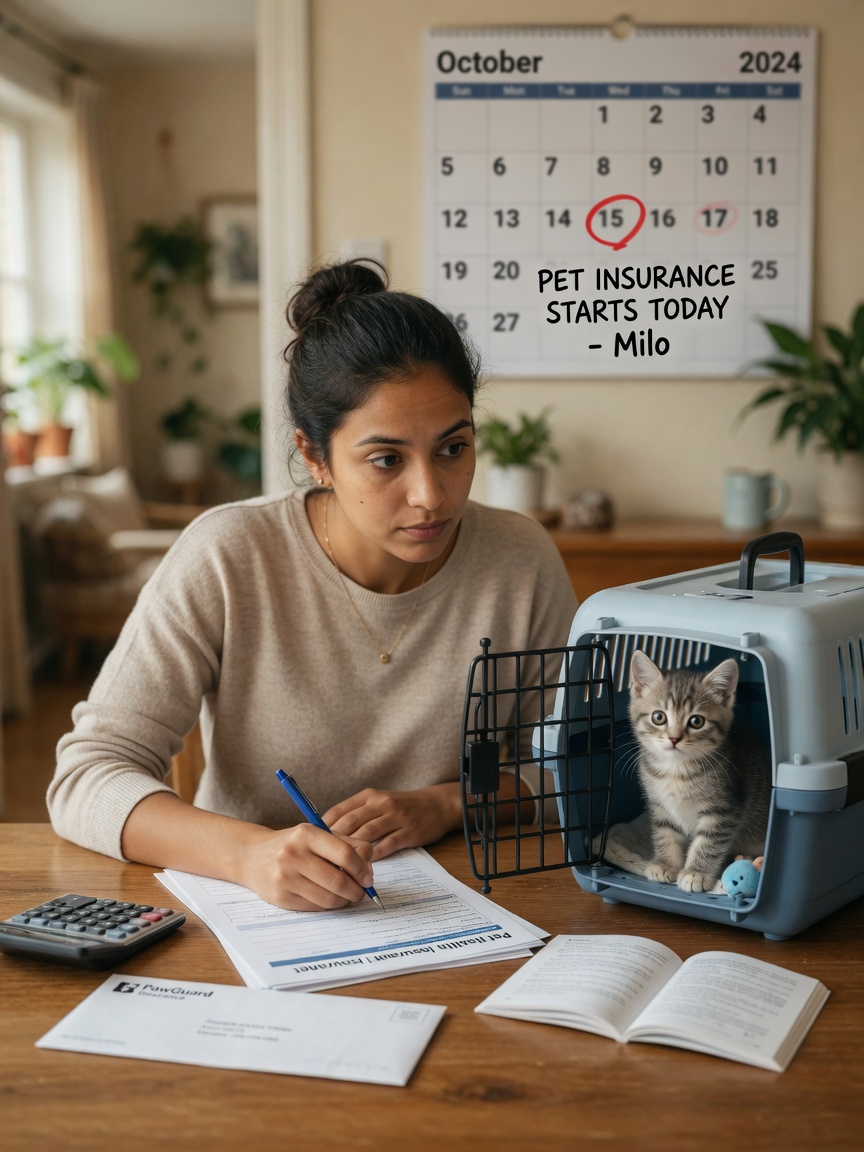
Insure as early as possible — ideally within the first few weeks of bringing a new pet home. Every condition that develops before you take out a policy becomes a pre-existing exclusion. A kitten that develops a respiratory infection at eight weeks may find all respiratory conditions excluded for life if you have not yet purchased cover. Insurers are not obliged to cover what they did not know about when they priced your policy.
Maintaining continuous cover is equally important. Allowing a policy to lapse and then restarting it will typically cause any conditions treated under the previous policy to be reclassified as pre-existing exclusions on the new one.
Practical Steps Before Choosing a Policy
- Decide on lifetime cover as your default unless budget genuinely prevents it
- Use a comparison site as a starting point but read the policy documents, not just the summary
- Check the insurer's claims handling reputation — online reviews from actual claimants are more informative than marketing materials
- Ask your vet which insurers they find straightforward to work with — direct claim facilities reduce your administrative burden
- Review your policy annually — your pet's needs change as they age, and some insurers allow you to adjust cover at renewal
Pet insurance is not a guarantee of stress-free vet bills — excesses, exclusions, and administrative delays are realities of any policy. But for most pet owners, good cover meaningfully expands the range of treatment options available when a serious illness or injury occurs. Discuss your specific pet's breed-related health risks with your vet; some breeds face predictable conditions that should heavily influence the level of cover you choose.