ForPetsHealthcare
Dogs

Neutering Cats: Why, When, and What to Expect

By Julia WrenfieldUpdated August 4, 20261 min read
Evidence-based · Sources checked
{"en": "Veterinarian examining a calm cat during a pre-neutering consultation at a clinic", "es": "Veterinario examinando a un gato tranquilo durante una consulta previa a la castraci\u00f3n", "fr": "V\u00e9t\u00e9rinaire examinant un chat calme lors d'une consultation avant la castration", "de": "Tierarzt untersucht eine ruhige Katze w\u00e4hrend einer Vorkastrationskonsultation", "nl": "Dierenarts onderzoekt een kalme kat tijdens een pre-castratie consultatiegesprek", "pt": "Veterin\u00e1rio examinando um gato calmo durante consulta pr\u00e9-castra\u00e7\u00e3o na cl\u00ednica", "it": "Veterinario che esamina un gatto tranquillo durante una visita pre-sterilizzazione"}

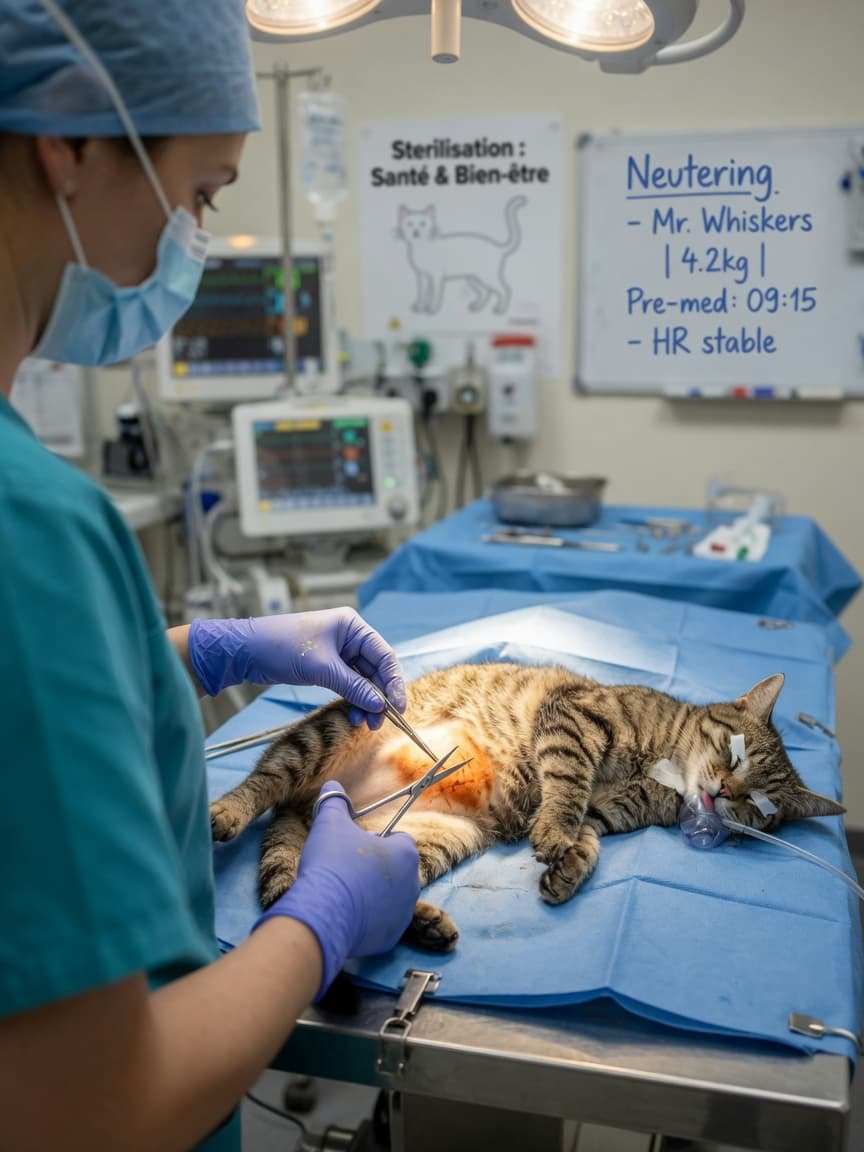
Neutering cats is strongly recommended by veterinary organisations worldwide.

Benefits for Males

  • Eliminates urine spraying in most cases
  • Reduces roaming and fighting
  • Reduces FIV and FeLV transmission risk

Benefits for Females

  • Eliminates seasons and calling behaviour
  • Prevents pyometra
  • Dramatically reduces mammary tumour risk before first season

When to Neuter
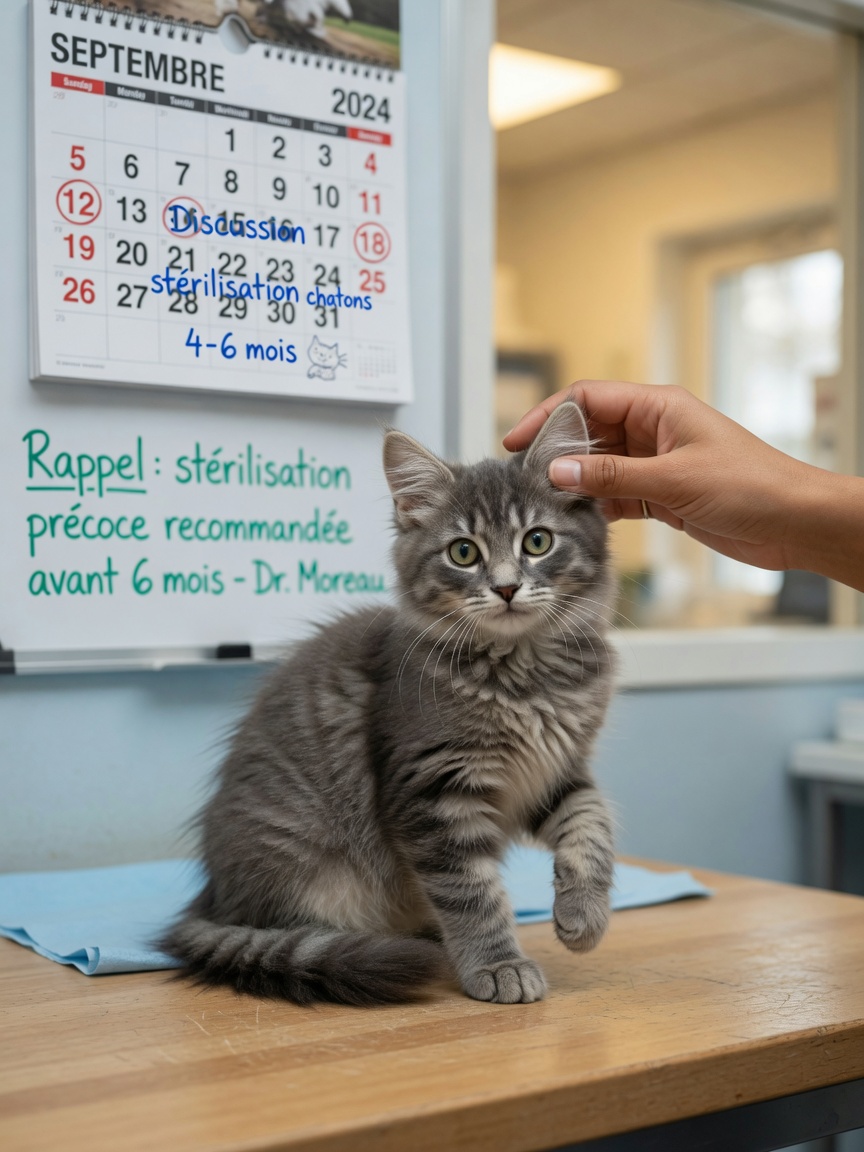
Young kitten being examined by a veterinarian to assess readiness for neutering

Traditionally 5-6 months. Cats can reach sexual maturity as early as 4 months.

After Neutering
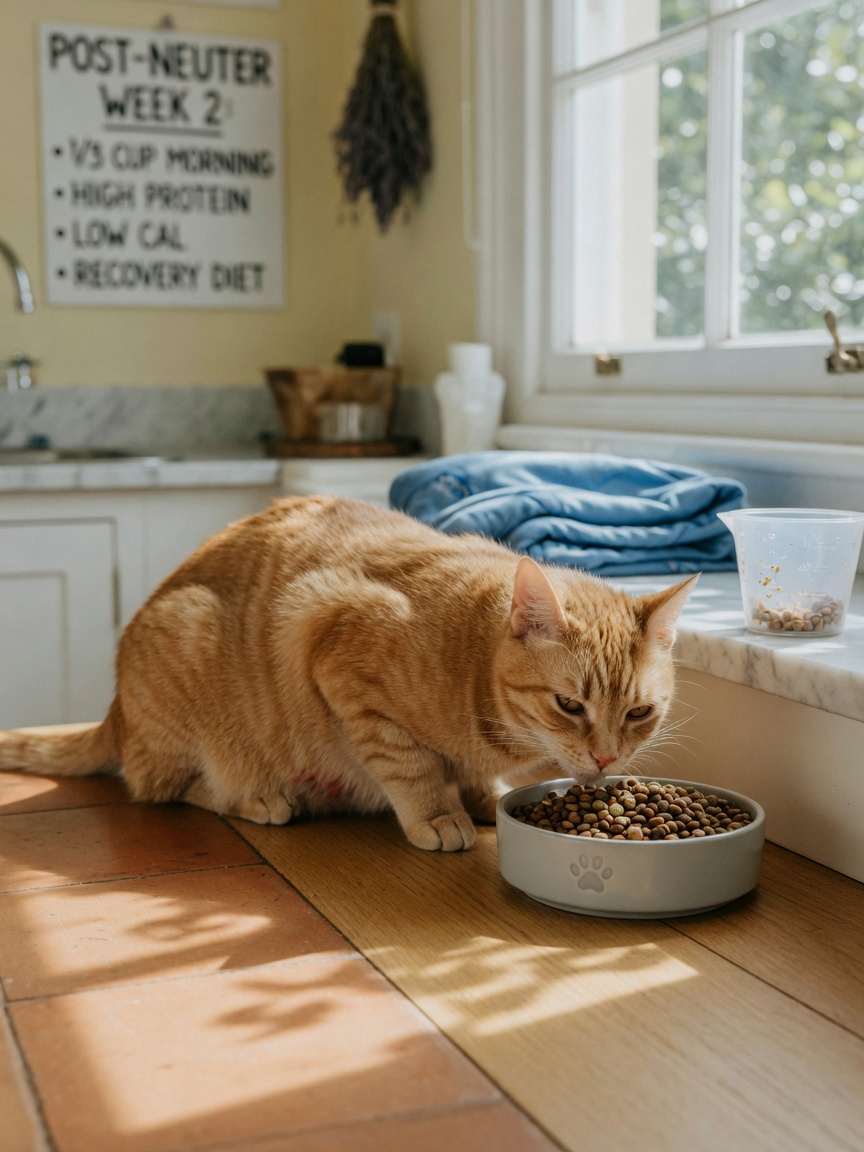
Neutered cat eating portion-controlled post-operative diet food near a sunny window

Reduce food by 20-30% or switch to a post-neuter diet. Metabolism slows significantly.

#neutering cats why when#cat health#feline nutrition#forpetshealthcare

Sources & further reading

This article is based on peer-reviewed veterinary research and reputable animal-health sources. Explore the underlying science in our Research Library.

Related articles

The 19 Best Animal Shelters in the Netherlands (2026)

the Netherlands's animal shelters, rescue associations and refuges save thousands of dogs, cats and other animals every year, almost always on tiny budgets and volunteer power. To build the most objective ranking possible, we analysed public Google reviews across more than 56 registered animal-prote…

Read more →

The 25 Best Animal Shelters in Italy (2026)

Italy's animal shelters, rescue associations and refuges save thousands of dogs, cats and other animals every year, almost always on tiny budgets and volunteer power. To build the most objective ranking possible, we analysed public Google reviews across more than 121 registered animal-protection org…

Read more →

The 48 Best Animal Shelters in Germany (2026)

Germany's animal shelters, rescue associations and refuges save thousands of dogs, cats and other animals every year, almost always on tiny budgets and volunteer power. To build the most objective ranking possible, we analysed public Google reviews across more than 152 registered animal-protection o…

Read more →

The 32 Best Animal Shelters in France (2026)

France's animal shelters, rescue associations and refuges save thousands of dogs, cats and other animals every year, almost always on tiny budgets and volunteer power. To build the most objective ranking possible, we analysed public Google reviews across more than 89 registered animal-protection org…

Read more →

The 8 Best Animal Shelters in Portugal (2026)

Portugal's animal shelters, rescue associations and municipal centros de recolha save thousands of dogs, cats and other animals every year, almost always on tiny budgets and volunteer power. To build the most objective ranking possible, we analysed public Google reviews across more than 86 registere…

Read more →

Sphynx Cat Skin care and hygiene: Causes, Signs & Care

Sphynx cats have little to no coat, which means the skin itself takes on jobs that fur normally does — insulation, oil dispersal, and barrier protection — leaving it prone to greasiness, blocked pores, fungal infections, and sunburn. The single most important thing to know is that a Sphynx's skin ne…

Read more →
Disclaimer:This article is for informational purposes only and does not constitute veterinary advice. Always consult a qualified veterinarian for your pet's health concerns.

Free newsletter

Pet health tips, straight to your inbox

Weekly science-backed advice for dog & cat owners. No spam, unsubscribe anytime.