
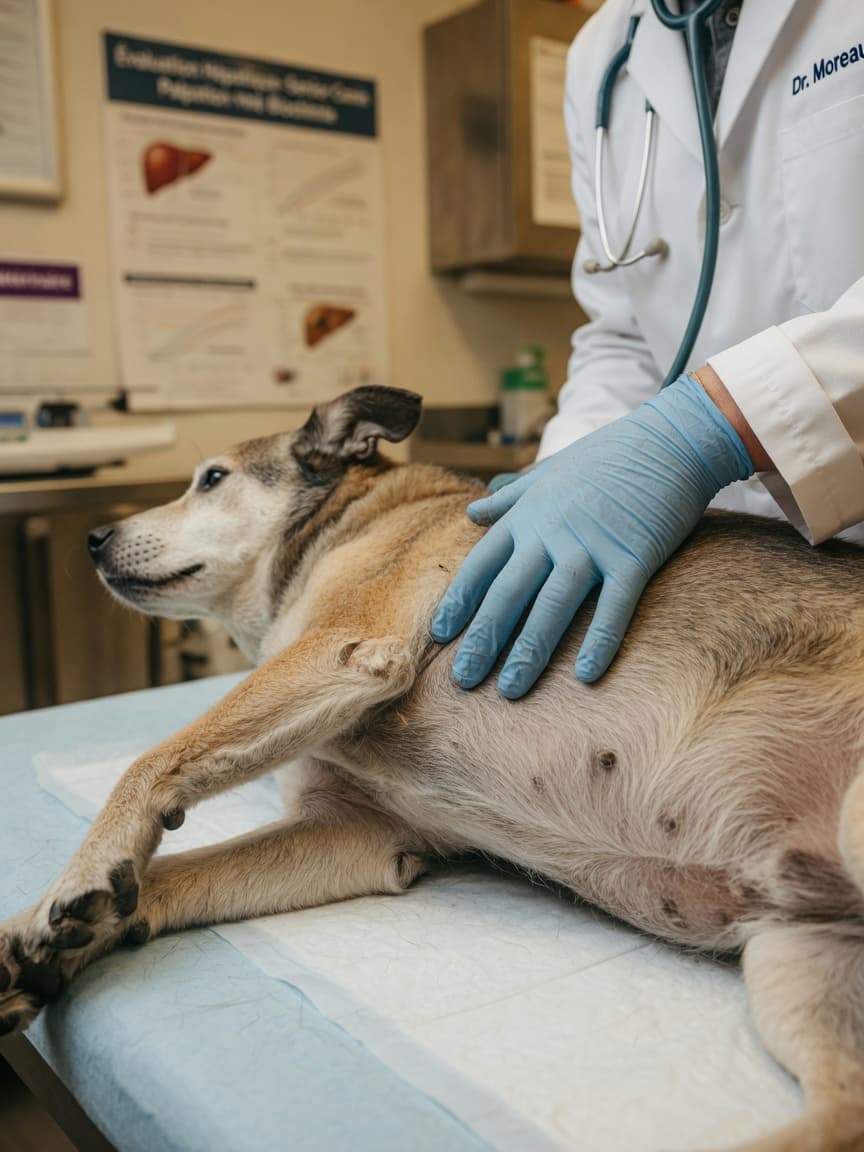
Liver Disease Is Among the Most Common Conditions in Dogs Over Seven — Here Is What Milk Thistle Can and Cannot Do
The liver is one of the most metabolically active organs in the body, responsible for detoxification, protein synthesis, bile production, and nutrient metabolism. Canine liver disease encompasses a spectrum of conditions — from mild enzyme elevation to chronic hepatitis and cirrhosis — and it becomes increasingly prevalent in middle-aged and senior dogs. Milk thistle, derived from the plant Silybum marianum, is the most widely used herbal supplement for liver support in veterinary practice. The question is whether the evidence justifies the reputation.
What Silymarin Actually Does
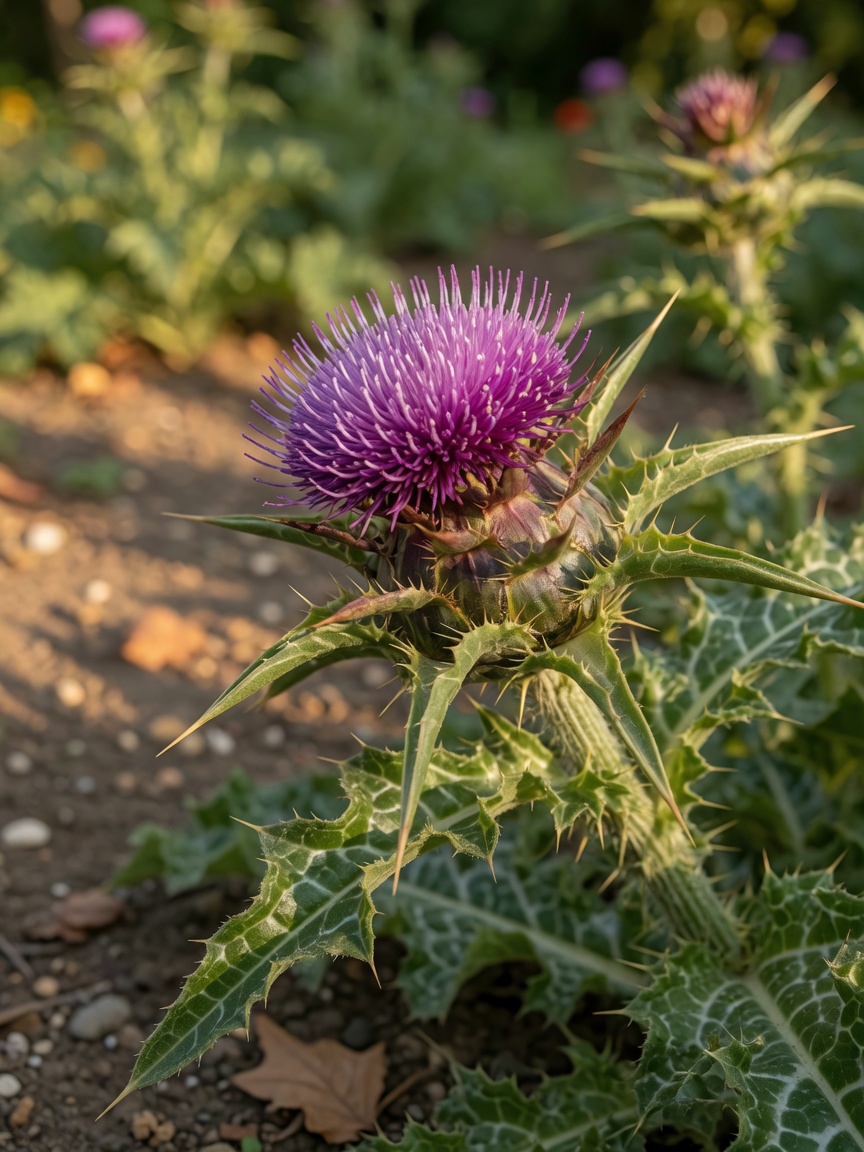
The active constituent of milk thistle is a group of flavonolignans collectively known as silymarin. Within this group, silybin is considered the most pharmacologically active compound. Silymarin exerts its effects through several mechanisms that are reasonably well characterised in the scientific literature:
- Antioxidant activity: silymarin scavenges free radicals and reduces oxidative stress in hepatic tissue, which is a significant driver of liver cell damage.
- Anti-inflammatory effects: it inhibits inflammatory signalling pathways, particularly relevant in conditions like chronic hepatitis.
- Hepatocyte membrane stabilisation: silymarin alters the outer membrane of liver cells, making them more resistant to toxin penetration.
- Protein synthesis stimulation: it may promote the regeneration of liver cells by stimulating ribosomal RNA activity.
Most of the foundational research has been conducted in cell culture models and rodents, with a smaller body of clinical evidence from human medicine. Canine-specific clinical trials are limited but directionally consistent with these mechanisms.
The Evidence in Dogs
Several veterinary studies have examined silymarin's effects in dogs with elevated liver enzymes and diagnosed hepatic conditions. A frequently cited study found that dogs with chronic hepatopathies given standardised silymarin showed improvement in liver enzyme levels and histological markers of liver health compared to controls. Other studies have examined its role as a protective agent when dogs are undergoing treatments known to stress the liver, such as long-term anticonvulsant therapy with phenobarbital.
It is important to note that while the evidence is encouraging, it does not establish milk thistle as a treatment for liver disease in the conventional sense. It functions more accurately as a hepatoprotective and supportive agent — reducing damage, supporting regeneration, and mitigating inflammation — rather than directly treating the underlying cause of liver pathology.
When Milk Thistle Is Most Commonly Recommended
Elevated Liver Enzymes Without Confirmed Disease
Dogs with mildly elevated ALT or ALP on routine blood work, without a confirmed diagnosis, are sometimes given a trial of silymarin while further investigation is pending. It is low risk and may support liver health during the diagnostic period.
Chronic Hepatitis
In dogs with diagnosed chronic inflammatory liver disease, silymarin is often used alongside conventional treatment as a supportive adjunct. Its anti-inflammatory and antioxidant properties are most relevant here.
Toxin Exposure
In cases of known or suspected toxin ingestion affecting the liver — including certain mushroom poisonings, where intravenous silybin has shown efficacy in emergency settings — milk thistle is a recognised supportive tool, though acute cases require emergency veterinary intervention, not home supplementation.
Long-Term Anticonvulsant Use
Dogs on phenobarbital for epilepsy management are at elevated risk of hepatotoxicity over time. Milk thistle is commonly recommended as a protective supplement in these dogs, with some clinical support for this application.
Dosing and Formulation
Standardisation is a significant issue with herbal supplements. Products vary widely in silymarin content, and this makes dosing guidance approximate. The following is based on commonly cited veterinary recommendations using standardised extract (typically 70–80% silymarin):
- General hepatoprotective support: approximately 50–100 mg of standardised extract per day for small to medium dogs; 100–200 mg for large breeds.
- Active liver support under veterinary guidance: some practitioners recommend up to 200–400 mg daily in divided doses for larger dogs, with blood enzyme monitoring.
- Administer with food to improve tolerability.
- Cycle the supplement if used long-term — some vets recommend five days on, two days off — though continuous use also appears safe.
Safety, Interactions and What to Watch For
Milk thistle has one of the strongest safety records of any herbal supplement used in veterinary practice. Side effects are uncommon and generally limited to mild digestive upset at higher doses. However, the following deserve attention:
- Milk thistle may have mild hypoglycaemic effects and should be used with caution in diabetic dogs.
- It can affect cytochrome P450 enzyme pathways, potentially altering the metabolism of certain drugs. Always inform your vet if your dog is on other medications.
- It is not a substitute for veterinary diagnosis or treatment. If your dog has suspected liver disease, blood tests and imaging are essential before management decisions are made.
- Purchase products from reputable manufacturers that provide independent third-party testing for silymarin content.
Milk thistle has earned its place in canine supportive care through both mechanistic plausibility and an accumulating body of clinical evidence. Used appropriately, under veterinary oversight, it offers a low-risk way to support hepatic health — but it should complement rather than replace proper diagnosis and, where needed, pharmaceutical treatment.