
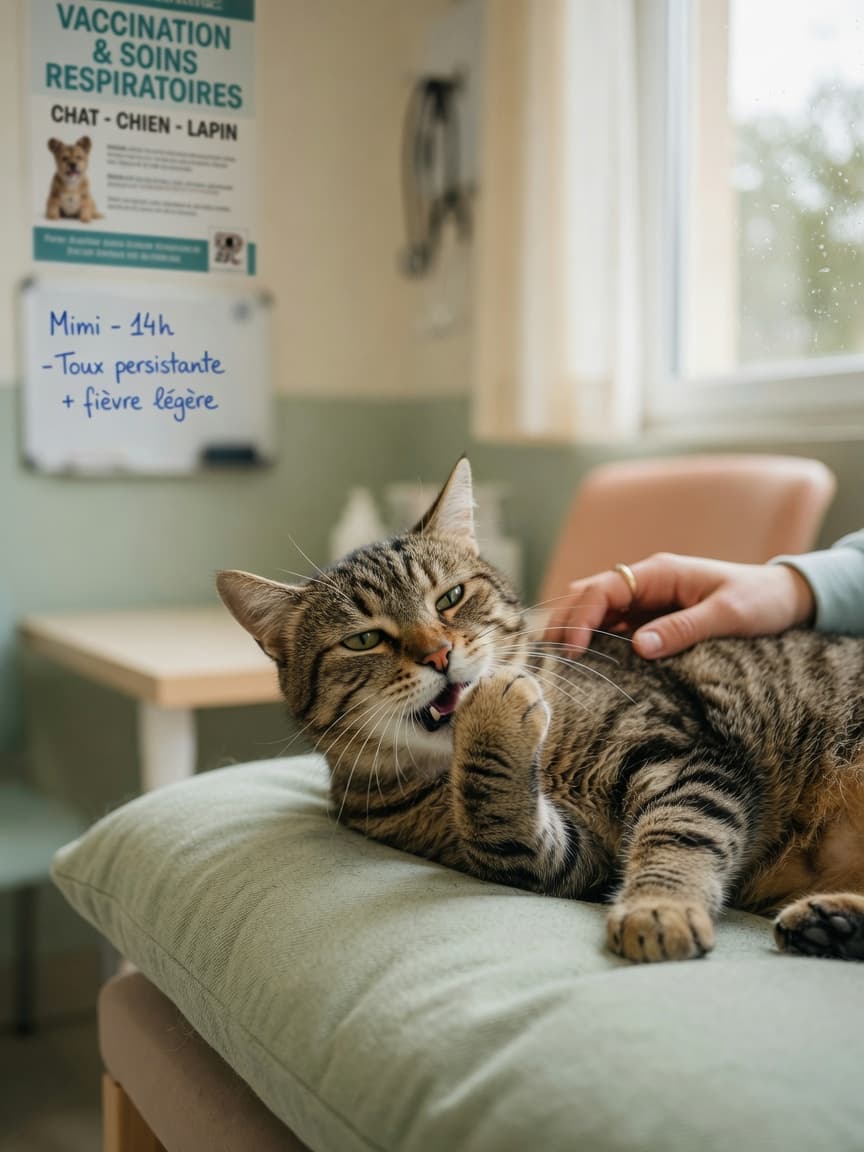
What Is Lungworm in Cats?
Lungworm refers to a group of parasitic nematodes that infect the respiratory system of cats. The most significant species in the UK and much of Europe is Aelurostrongylus abstrusus, a small roundworm that completes part of its life cycle within the lungs and airways. A secondary species, Troglostrongylus brevior, has been increasingly recognised in southern Europe and is considered more pathogenic in young kittens.
Unlike some parasites that cause only mild disruption, lungworm can produce serious respiratory disease, particularly in kittens and immunocompromised animals. Understanding how infection occurs and what to look for can make a meaningful difference in outcome.
How Do Cats Become Infected?
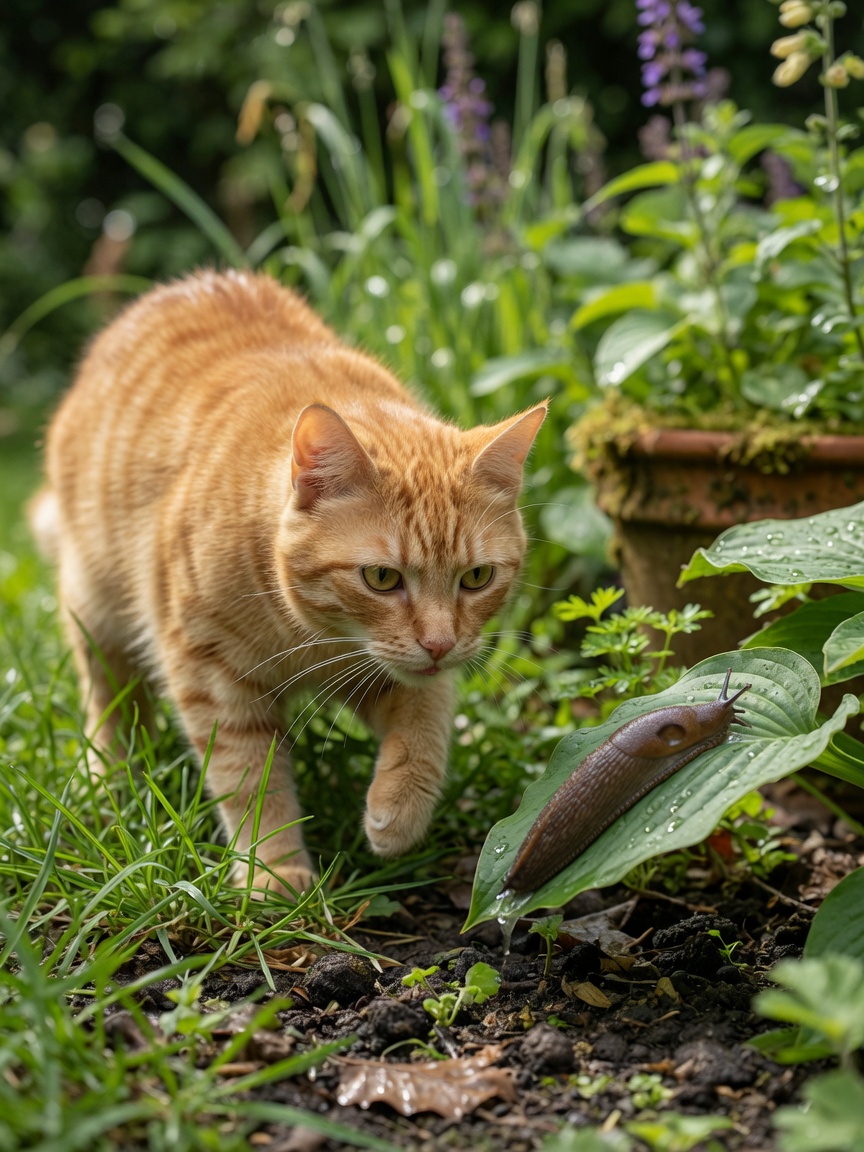
Aelurostrongylus abstrusus uses an indirect life cycle that requires an intermediate host. Cats acquire infection by eating slugs or snails that carry infective larvae. In some cases, infection can occur via a paratenic (transport) host — birds, lizards, frogs, or small rodents that have consumed infected molluscs. Since hunting is a natural behaviour for many cats, exposure through prey animals is a plausible and likely route for outdoor cats.
Once ingested, the larvae migrate from the digestive tract to the lungs via the lymphatic system and bloodstream. They mature in the terminal airways, where adult females lay eggs that hatch into first-stage larvae. These larvae are coughed up, swallowed, and shed in the faeces, continuing the cycle.
Indoor-only cats face far lower risk, though the risk is not entirely zero — a slug that slips into the house and is caught by a curious cat represents a potential route of exposure.
Symptoms of Lungworm Infection
Clinical signs of lungworm in cats vary considerably with the severity of the parasite burden. Light infections may produce no detectable signs at all. Heavier infections typically cause lower respiratory tract symptoms that can be mistaken for bacterial pneumonia, asthma, or bronchitis.
- Persistent cough, which may be dry or productive
- Increased respiratory rate and effort
- Wheezing or crackles audible on chest auscultation
- Exercise intolerance and general lethargy
- Weight loss and reduced appetite
- Nasal discharge in some cases
- In severe infections, open-mouth breathing and respiratory distress
Kittens are at particular risk of severe disease and can deteriorate rapidly. In cases involving Troglostrongylus brevior, the clinical picture tends to be more acute and can be life-threatening in very young animals.
Diagnosis: How Lungworm Is Detected
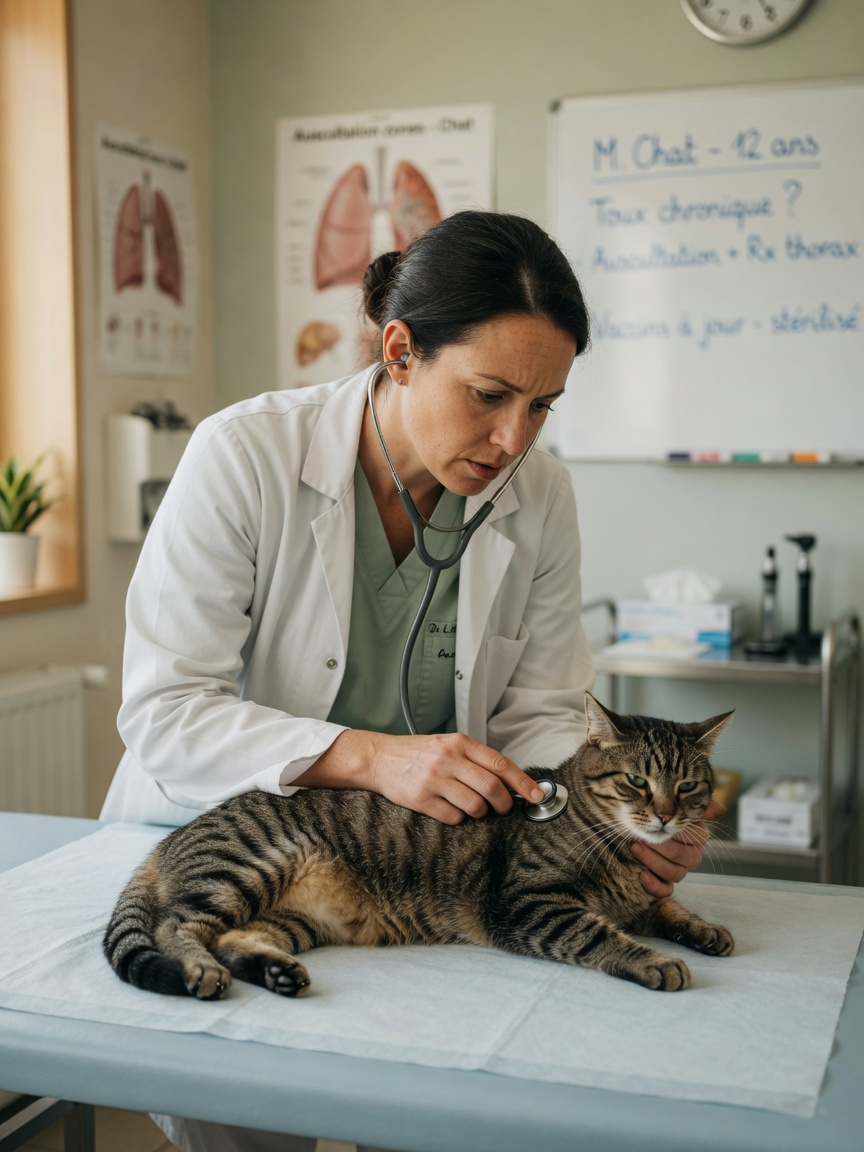
Diagnosis of lungworm relies on demonstrating the presence of larvae or eggs in samples from the cat. Several methods are available, each with its own strengths.
Faecal Examination
The Baermann technique is the gold-standard method for detecting first-stage larvae in faeces. It takes advantage of the larvae's tendency to migrate through water. Because larval shedding can be intermittent, testing three samples collected on consecutive days improves diagnostic sensitivity. Standard faecal flotation methods used routinely for intestinal worms are not reliable for lungworm larvae and should not be relied upon alone.
Bronchoscopy and Bronchoalveolar Lavage
Fluid collected from the lower airways via bronchoalveolar lavage can reveal larvae, eggs, and associated inflammatory cells. This method is particularly useful in cats showing respiratory symptoms where faecal results are inconclusive.
Chest Radiography
X-rays may show a characteristic pattern of pulmonary infiltrates, though these findings are not specific to lungworm and require interpretation alongside other results.
Commercial Antigen Tests
ELISA-based antigen detection tests are available in some countries and offer a straightforward diagnostic option. These tests detect parasite antigens in faeces and can be a practical first step in clinical practice.
Treatment
Several antiparasitic drugs are effective against Aelurostrongylus abstrusus in cats. The most commonly used include fenbendazole, selamectin, emodepside with praziquantel, and milbemycin oxime. Most treatment protocols involve a course of medication lasting several weeks, with repeat faecal testing to confirm clearance.
In cats with significant respiratory compromise, supportive care is equally important. Bronchodilators may help open the airways, and corticosteroids are sometimes used cautiously to reduce inflammation — though care is needed given their immunosuppressive effects. Cats in severe respiratory distress may require oxygen supplementation and hospitalisation.
It is worth noting that killing the worms can itself trigger a transient inflammatory response as the body reacts to dying parasites. Monitoring during treatment is therefore important, particularly in heavily infected cats.
Prevention
The most effective prevention strategy is regular use of a licensed spot-on or oral product that covers lungworm. In the UK, products containing selamectin or emodepside are available for cats and provide protection against Aelurostrongylus abstrusus when used as directed.
Restricting outdoor access reduces exposure but may not be practical or desirable for all owners. Preventing cats from hunting is equally difficult. For cats that regularly roam outdoors in areas where lungworm is endemic, routine preventative treatment makes clear sense.
Geographic Awareness Matters
Lungworm in cats is not uniformly distributed. Prevalence varies by region and has been increasing in parts of Europe, possibly linked to changes in mollusc populations associated with climate shifts. Veterinary professionals and cat owners in areas of known lungworm activity should maintain a higher index of suspicion when cats present with unexplained respiratory symptoms.
If your cat hunts regularly and develops a persistent cough or breathing change that does not respond to standard treatment for infection or asthma, lungworm should be on the list of possibilities. It is an underdiagnosed condition that responds well to treatment when caught in time.