
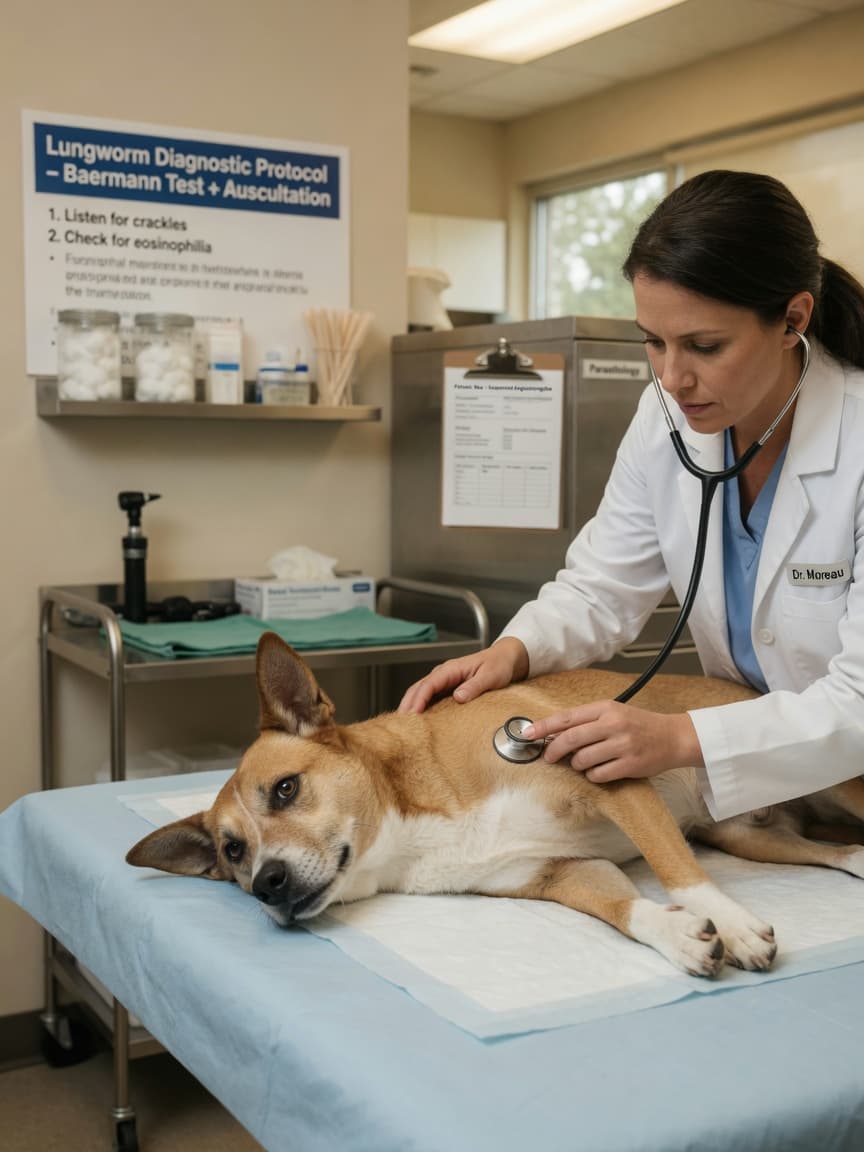
What Is Lungworm?
Lungworm in dogs refers to infection with the parasitic worm Angiostrongylus vasorum, sometimes called the "French heartworm" — a nickname that reflects its historical association with France and parts of western Europe, though it is now firmly established across much of the UK. Despite its common name, this parasite is distinct from the heartworm (Dirofilaria immitis) that affects dogs in warmer climates and is not currently endemic in the UK.
Angiostrongylus vasorum is a roundworm that, in its adult form, lives in the right side of the heart and the pulmonary arteries — the major blood vessels carrying blood from the heart to the lungs. The damage it causes extends well beyond the respiratory system, affecting blood clotting in ways that can be fatal if the infection is not identified and treated promptly.
The Life Cycle: The Role of Slugs and Snails
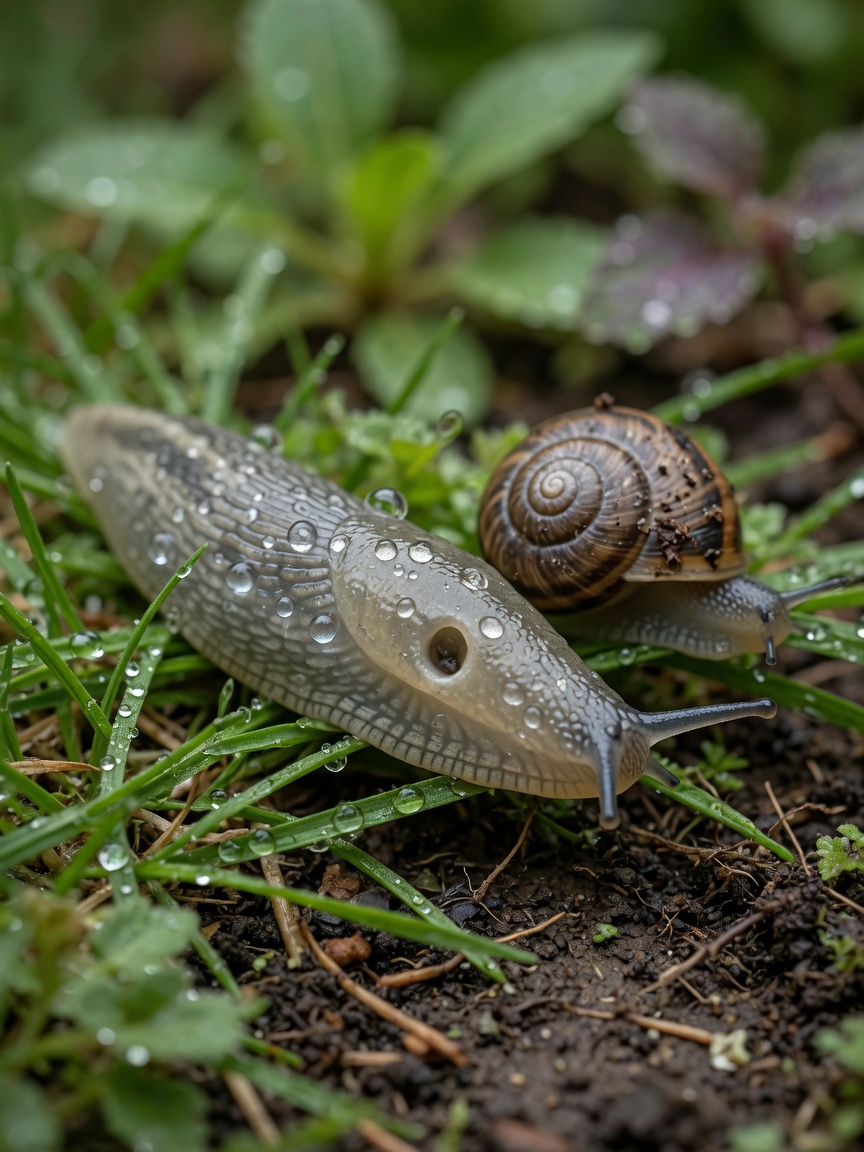
Understanding how dogs become infected with lungworm requires an understanding of the parasite's complex life cycle, which relies on intermediate hosts — slugs and snails — to complete development.
Adult worms living in the dog's heart and pulmonary arteries produce larvae (known as L1 larvae) that travel through the bloodstream to the lungs. There they break through into the air spaces, are coughed up, swallowed, and passed out of the dog in its faeces. These larvae then infect slugs and snails in the garden or environment, developing inside these intermediate hosts over several weeks into infective L3 larvae.
Dogs become infected when they eat infected slugs or snails, either deliberately or accidentally. A dog does not need to actively seek out and eat a snail — it may inadvertently ingest tiny slugs clinging to grass, toys left in the garden, a water bowl left outdoors, or even a puddle of water. Once swallowed, the infective larvae migrate through the gut wall into the lymphatic system and eventually reach the heart and lungs, where they mature into adults and the cycle begins again.
Foxes serve as an important wildlife reservoir for Angiostrongylus vasorum in the UK, and their role in spreading infected slugs and snails across urban and suburban environments is thought to be a key driver of the parasite's expanding range.
UK Distribution: A Growing Threat
Lungworm was historically considered a regional problem in the UK, with most cases reported in Wales, southern England, and certain parts of East Anglia. However, surveillance data collected over the past two decades shows a clear and significant northward and inland expansion of confirmed cases. Vets across the UK — including in Scotland and northern England — are now seeing lungworm in areas where it was rarely or never recorded before.
This expanding distribution, combined with growing awareness of the condition among veterinary professionals, means that lungworm should now be considered as a differential diagnosis for dogs showing relevant signs anywhere in the UK, not just in traditionally affected regions.
Clinical Signs: An Unusual Presentation
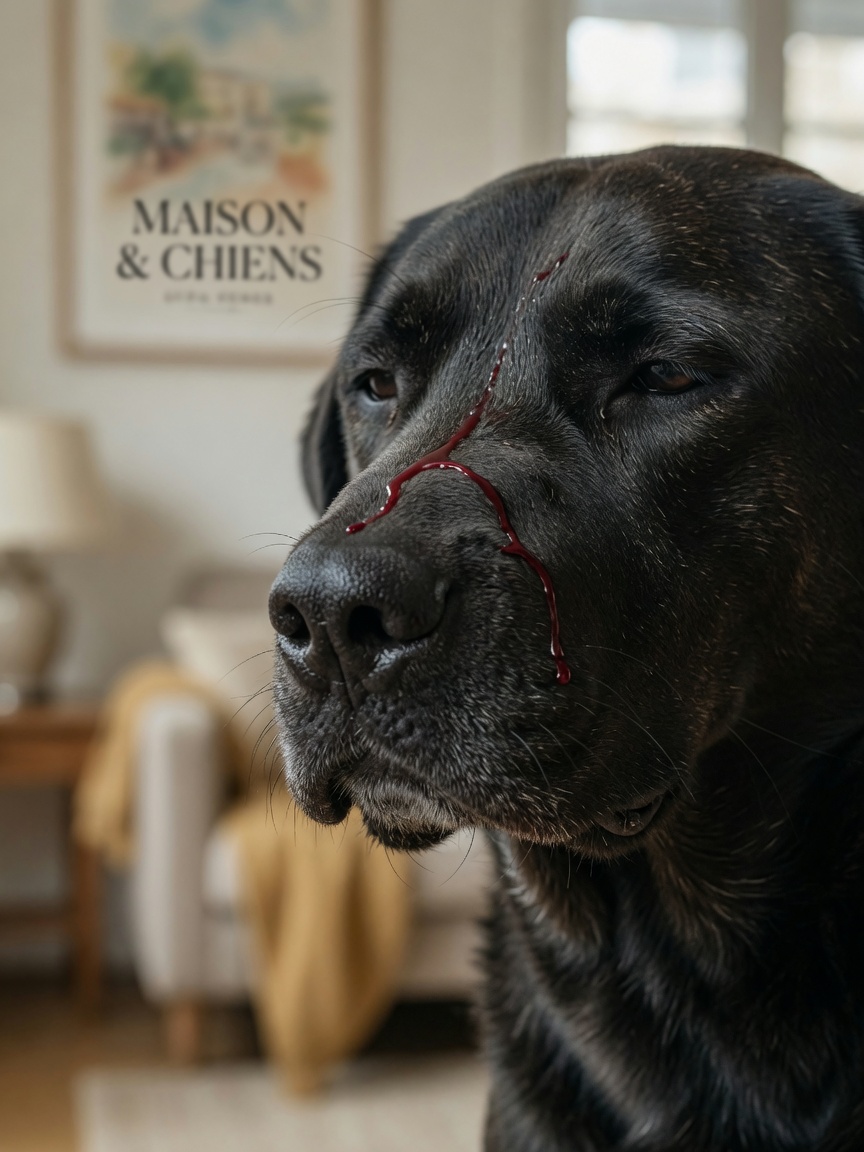
Lungworm produces a broader and more varied range of clinical signs than many parasitic infections, which is one reason it is often not immediately suspected. Signs can be grouped into three main categories.
Bleeding and Clotting Disorders
Perhaps the most unusual and diagnostically important feature of Angiostrongylus vasorum infection is its ability to disrupt normal blood clotting. The mechanism involves the parasite interfering with coagulation factors and platelet function, resulting in an inability to form effective blood clots. Affected dogs may bleed from minor cuts for far longer than expected, develop unexplained bruising under the skin, bleed from the nose or gums, cough up blood, or bleed into the eye. Prolonged bleeding after routine procedures such as nail trims or minor wounds can be an early warning sign. In severe cases, internal haemorrhage can be fatal.
This clotting dysfunction is one of the most important reasons why lungworm must be on the list of possible diagnoses whenever a dog presents with unexplained bleeding — even in the absence of obvious respiratory signs.
Respiratory Signs
Because the adult worms live in the pulmonary arteries and cause inflammation and damage to lung tissue, respiratory signs are common. These include coughing — sometimes persistent and severe — exercise intolerance, increased breathing rate, and in serious cases frank respiratory distress. Dogs with heavy worm burdens may develop pulmonary hypertension and right-sided heart failure over time.
Neurological Signs
In some dogs, larvae migrating through the body travel aberrantly to the nervous system, causing a range of neurological signs. These include seizures, weakness or ataxia (unsteady gait), head tilt, and behavioural changes. Neurological lungworm can be particularly difficult to diagnose because the respiratory signs may be absent or subtle, and the presentation may look identical to primary neurological disease. Spinal cord involvement has been reported, causing hindlimb weakness or paralysis in some affected dogs.
Diagnosis
Several diagnostic approaches can be used to confirm lungworm infection, and in many cases a combination of tests provides the most reliable result.
Baermann Test
The Baermann technique is a specialist faecal test designed to detect L1 larvae in fresh faeces. The method uses warm water to encourage active larvae to migrate out of the stool sample, where they can be identified under the microscope. Because larval shedding can be intermittent, a single negative result does not rule out infection, and multiple samples over several days improve sensitivity.
Standard Faecal Testing
Routine faecal flotation tests used to detect common intestinal worm eggs are not suitable for detecting Angiostrongylus vasorum larvae, as the larvae do not float effectively with standard techniques. Specific lungworm-adapted testing is required.
Blood Tests
Blood tests for lungworm include both in-house and laboratory-based antigen tests that detect proteins produced by the adult worms. These tests are fast, require only a small blood sample, and are becoming increasingly available in general practice. Blood tests may also reveal clotting abnormalities, eosinophilia, or anaemia consistent with lungworm infection, providing supportive diagnostic information.
Treatment
Lungworm is treatable, and most dogs recover fully if the infection is identified before serious complications develop. Two licensed treatment options are commonly used in the UK.
Fenbendazole, available as granules or a liquid that can be mixed with food, is given daily for several days and is highly effective against Angiostrongylus vasorum. It kills the larvae and adult worms but does so gradually, which is generally considered safer than a more rapid kill that could cause a sudden inflammatory reaction to dying worms.
Milbefamate-containing spot-on products licensed for lungworm treatment are also effective and are applied to the skin at the back of the neck. Some products combine milbefamate with other parasiticides and serve dual roles as both treatment and prevention.
Dogs with severe bleeding disorders may require additional supportive care including plasma transfusions or blood products to restore clotting function while treatment takes effect. Dogs with neurological signs require careful management, as treatment of the parasite itself may not immediately reverse nerve damage.
Prevention: The Critical Distinction
Prevention of lungworm is straightforward when the correct product is used — but this point cannot be emphasised enough: standard over-the-counter worming treatments do not protect against Angiostrongylus vasorum. Many widely available wormers that pet owners routinely purchase to treat roundworms and tapeworms have no activity against this parasite whatsoever.
Only products specifically licensed for lungworm prevention are effective, and these must be used monthly to provide continuous protection. Licensed preventative products include certain spot-on treatments available on prescription or from a vet. If you are unsure whether your dog's current worming protocol covers lungworm, speak to your vet — this is an increasingly common and important question across the UK.
Additional sensible precautions include removing toys and water bowls from the garden overnight, discouraging dogs from eating grass or sniffing around dense undergrowth where slugs and snails congregate, and being particularly vigilant in damp weather when slug and snail activity is highest.