
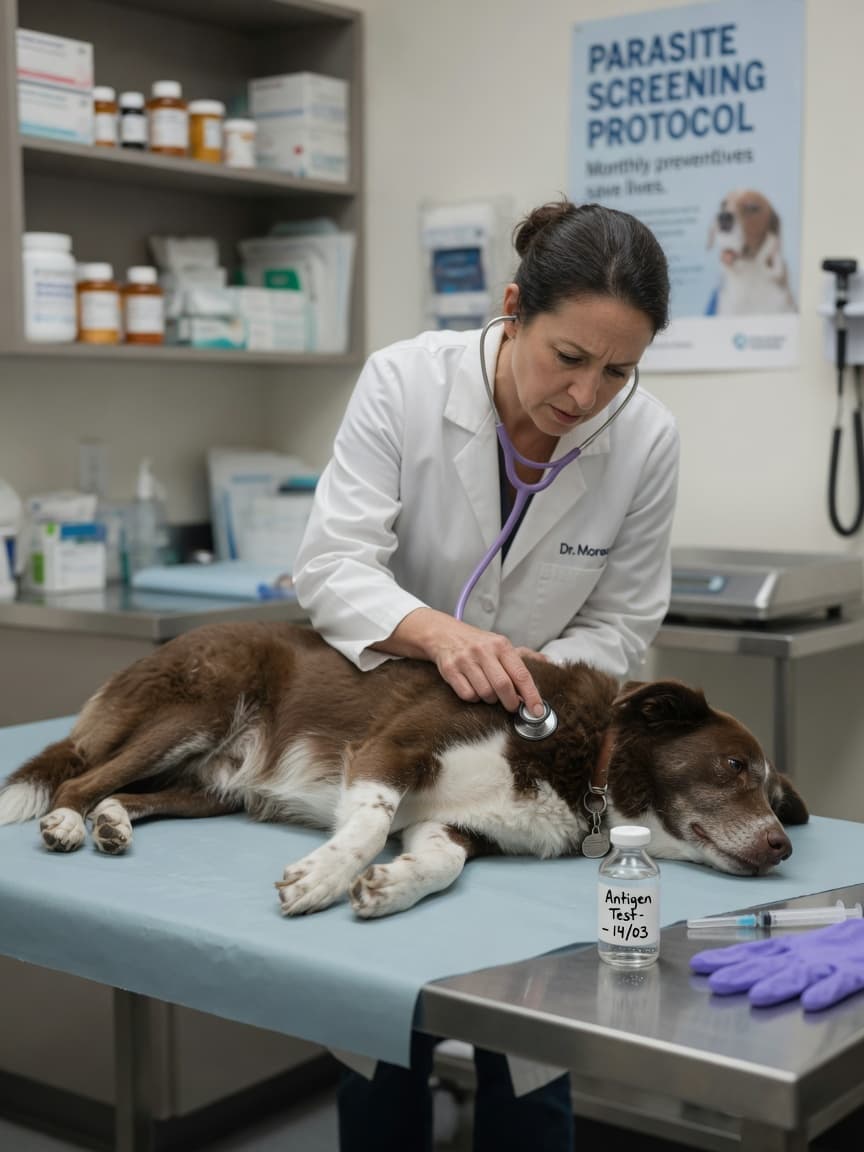
What Is Angiostrongylus Vasorum?
Angiostrongylus vasorum is a parasitic roundworm that, despite being commonly called "lungworm," does not actually live in the lungs themselves. Adult worms reside in the pulmonary arteries and right side of the heart of infected dogs, where they cause a range of serious and potentially fatal complications. The larvae, however, do migrate through lung tissue during their development, which gives rise to the common name and many of the respiratory symptoms associated with infection.
This parasite has been recognised in the UK for decades, but its distribution has expanded significantly since the early 2000s. What was once primarily a disease of dogs in south-east England and Wales has spread northward and is now reported across much of Great Britain. Whether this reflects genuine spread or improved diagnosis is debated, but the practical implication for dog owners is the same: this is no longer a geographically limited concern.
The Life Cycle and How Dogs Become Infected
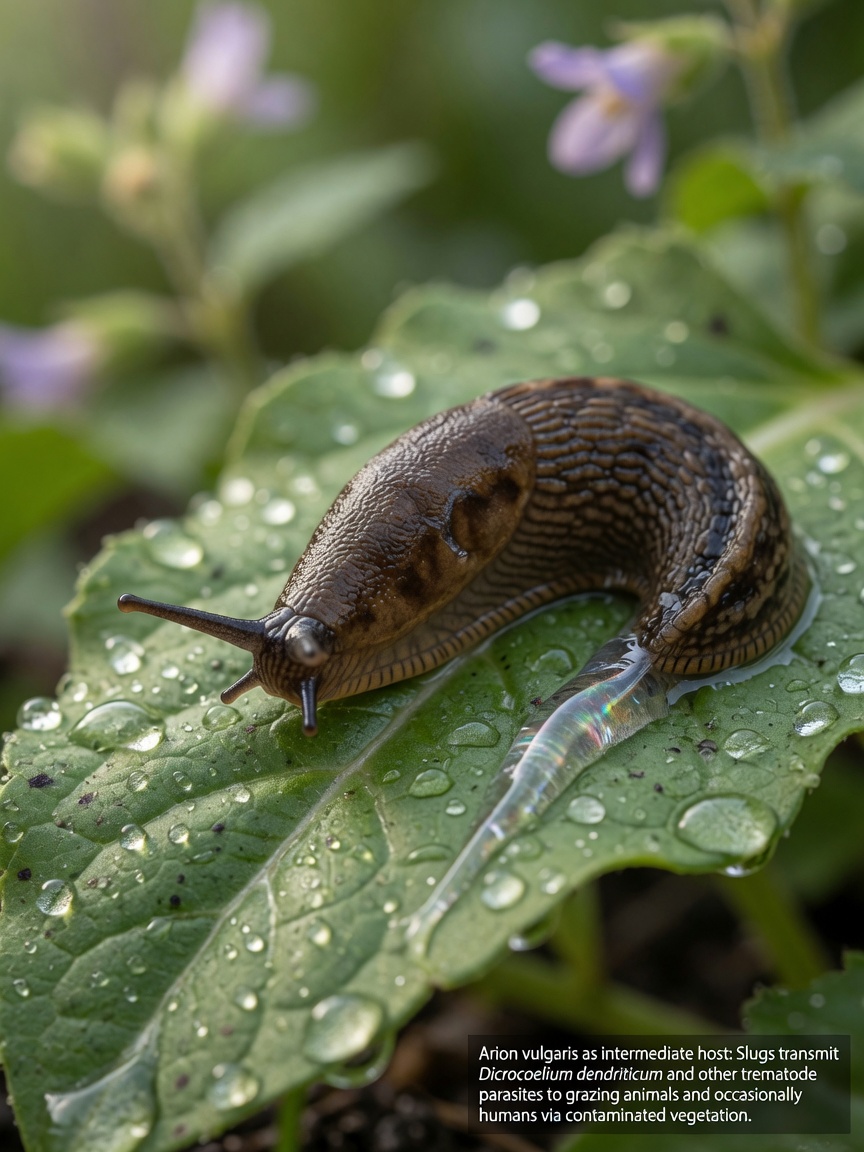
Understanding how infection occurs is the foundation of effective prevention. The intermediate hosts for Angiostrongylus vasorum are slugs and snails. These molluscs ingest larvae passed in fox or dog faeces, and the larvae develop to the infective third stage within the slug or snail over a period of around three weeks. Dogs become infected when they ingest infected molluscs — either deliberately or accidentally.
The deliberate consumption of slugs and snails is less common than accidental ingestion. Dogs can pick up larvae by eating grass, drinking from outdoor water bowls, or even chewing toys left outside that have had slug or snail contact. The mucus trails left by molluscs can also contain larvae, though the significance of this route remains under investigation.
Foxes serve as an important wildlife reservoir. The prevalence of infection in UK fox populations is significant in many areas, maintaining environmental contamination of slugs and snails even without domestic dog cases in a given area.
Clinical Signs: A Wide and Deceptive Range

Lungworm is sometimes called the "great pretender" of canine disease because its clinical signs are so variable and can mimic many other conditions. This variability relates to the different ways the parasite damages the dog's body.
The adult worms in the pulmonary arteries cause local inflammation and, critically, interfere with normal blood coagulation. This coagulopathy — an inability of the blood to clot normally — is one of the most dangerous aspects of infection and can lead to spontaneous bleeding from multiple sites.
- Respiratory signs: coughing, exercise intolerance, breathlessness, increased respiratory rate
- Haemorrhagic signs: unexplained bleeding from small cuts or wounds, bleeding into the eye, nosebleeds, blood in the urine or faeces
- Neurological signs: seizures, spinal pain, behavioural changes — caused by bleeding into the nervous system
- Non-specific signs: lethargy, weight loss, poor appetite, general malaise
A dog presenting with any combination of these signs, particularly unexplained bleeding alongside respiratory symptoms, should raise immediate suspicion of lungworm in any area of the UK.
Diagnosis
Diagnosis of Angiostrongylus vasorum has become more accessible in recent years. The Baermann technique, a faecal examination method that isolates larvae, has been the traditional approach but requires multiple fresh faecal samples and can give false negatives. A commercially available antigen test, performed from a blood sample, offers good sensitivity and specificity and provides results within minutes at most veterinary practices. This has significantly improved diagnosis rates in clinical settings.
Chest radiographs typically show characteristic interstitial and alveolar changes in the lungs of infected dogs, and an experienced veterinary radiologist can often identify a pattern suggestive of lungworm. Coagulation testing (prothrombin time, activated partial thromboplastin time) may reveal the characteristic bleeding disorder, though this is not specific to lungworm alone.
Treatment
When caught before severe complications develop, Angiostrongylus vasorum is treatable. The licensed products for treatment in the UK include those containing milbemycin oxime (such as Milbemax) and imidacloprid/moxidectin spot-on preparations (such as Advocate). Both are effective against the larval stages and adult worms.
Treatment is typically administered monthly for three consecutive months in affected animals, with monitoring of clinical signs and repeat antigen testing to confirm clearance. Dogs with severe coagulopathy may require supportive care including fresh frozen plasma, Vitamin K supplementation, and in some cases hospitalisation.
It is important to note that not all worm treatments cover lungworm. Standard intestinal wormers containing only fenbendazole or praziquantel are not effective against Angiostrongylus at standard doses. Pet owners should not assume their regular wormer provides protection.
Prevention: The Case for Monthly Treatment
Prevention of lungworm is straightforward when the right products are used consistently. Milbemycin oxime-containing products and the imidacloprid/moxidectin spot-on (Advocate) are both licensed for monthly preventative use against Angiostrongylus vasorum. Used every 28 days, they prevent larvae from establishing and developing to the damaging adult stage.
For dogs in areas of known lungworm prevalence, or dogs with behavioural tendencies to eat slugs, snails, or grass, monthly preventative treatment is strongly advisable. The ESCCAP guidelines specifically identify dogs in higher-risk areas as candidates for monthly lungworm prevention rather than quarterly general deworming alone.
- Remove slugs and snails from gardens where possible
- Avoid leaving water bowls or toys outside overnight
- Discourage grass-eating behaviour in high-risk dogs
- Use a licensed lungworm preventative product monthly
- Know the signs — early veterinary attention can be life-saving
The Importance of Awareness
Lungworm kills dogs in the UK every year, and many of those deaths are preventable. The disease is not rare, the treatment is available, and prevention is achievable with products that also provide broad parasite cover. The barrier is awareness — both among pet owners who may not know lungworm exists, and among veterinary professionals who may not initially consider it in dogs presenting with non-specific signs.
If you live in the UK and your dog has not had a lungworm risk assessment at their most recent veterinary appointment, it is worth raising the topic. Knowing your local prevalence and your dog's individual risk factors takes minutes but could genuinely save their life.