
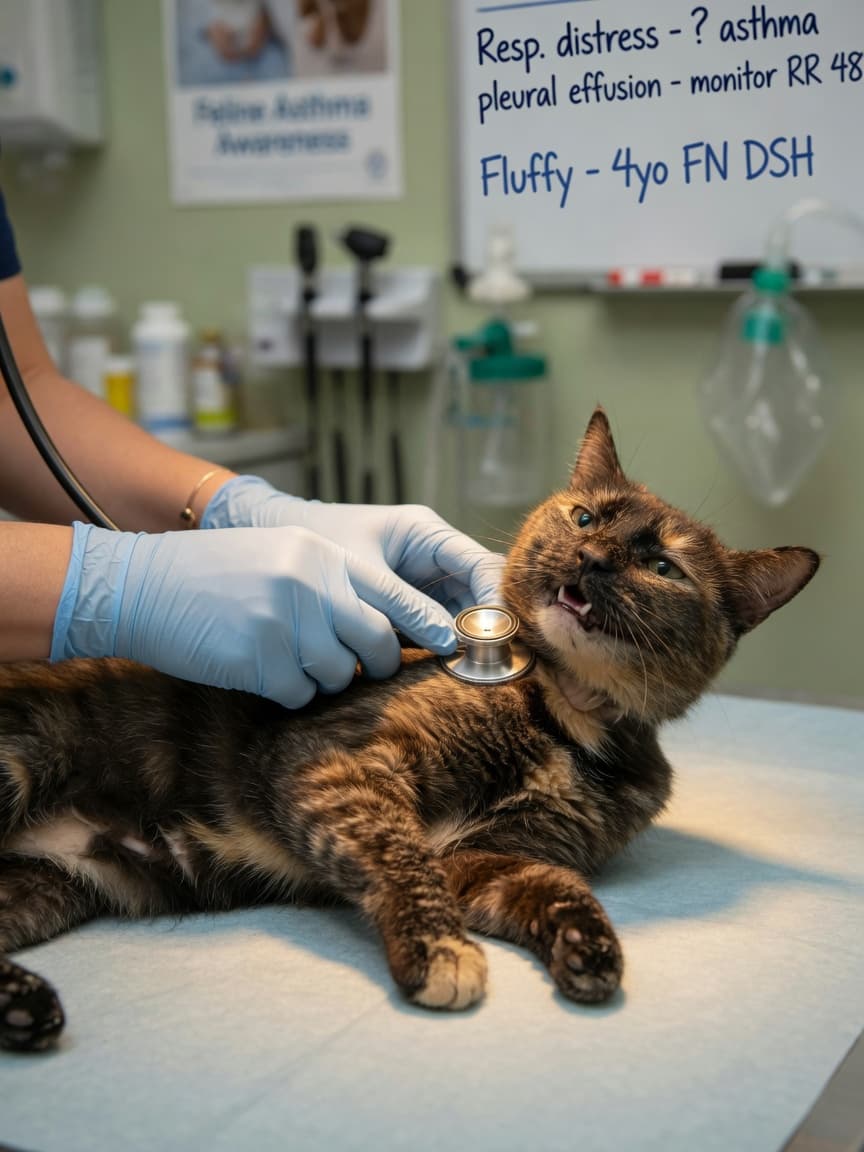
Understanding the Larynx and Its Role in Breathing
The larynx — commonly called the voice box — is a complex structure at the entrance to the trachea. It performs several vital functions: it controls airflow into the lungs, protects the airway from food and liquid during swallowing, and produces vocalisation. The opening and closing of the larynx are controlled by pairs of muscles innervated by the recurrent laryngeal nerves, branches of the vagus nerve.
When these nerves fail to function properly, the muscles that hold the laryngeal cartilages open during inhalation lose their tone. Instead of opening wide to allow air in, the cartilages remain partially or fully closed, creating a significant obstruction to airflow. This is laryngeal paralysis.
How Common Is It in Cats?
Laryngeal paralysis is well-documented in dogs — particularly large breeds such as Labrador Retrievers — but it is considerably rarer in cats. When it does occur in cats, it tends to present differently and may carry a different set of underlying causes. Because of its rarity, it is sometimes missed or delayed in diagnosis, with cats incorrectly managed for asthma or upper respiratory infection for extended periods.
What Causes Laryngeal Paralysis in Cats?
The condition may be congenital or acquired. Congenital laryngeal paralysis has been reported in young cats and kittens, sometimes alongside other neuromuscular abnormalities. Acquired forms are more common and arise from damage to or dysfunction of the recurrent laryngeal nerve or the broader vagus nerve pathway.
Known causes of acquired laryngeal paralysis in cats include:
- Trauma to the neck — including bites, blunt force injury, or surgical complications from thyroid or parathyroid procedures
- Neck or mediastinal masses — tumours in the chest or neck can compress the recurrent laryngeal nerves
- Hypothyroidism — though far less common in cats than in dogs, low thyroid function has been associated with laryngeal paralysis
- Polyneuropathy — a generalised nerve disorder affecting multiple nerve pathways, sometimes with an underlying metabolic or neoplastic cause
- Idiopathic — in some cats, no identifiable cause can be found despite thorough investigation
Recognising Laryngeal Paralysis in Cats
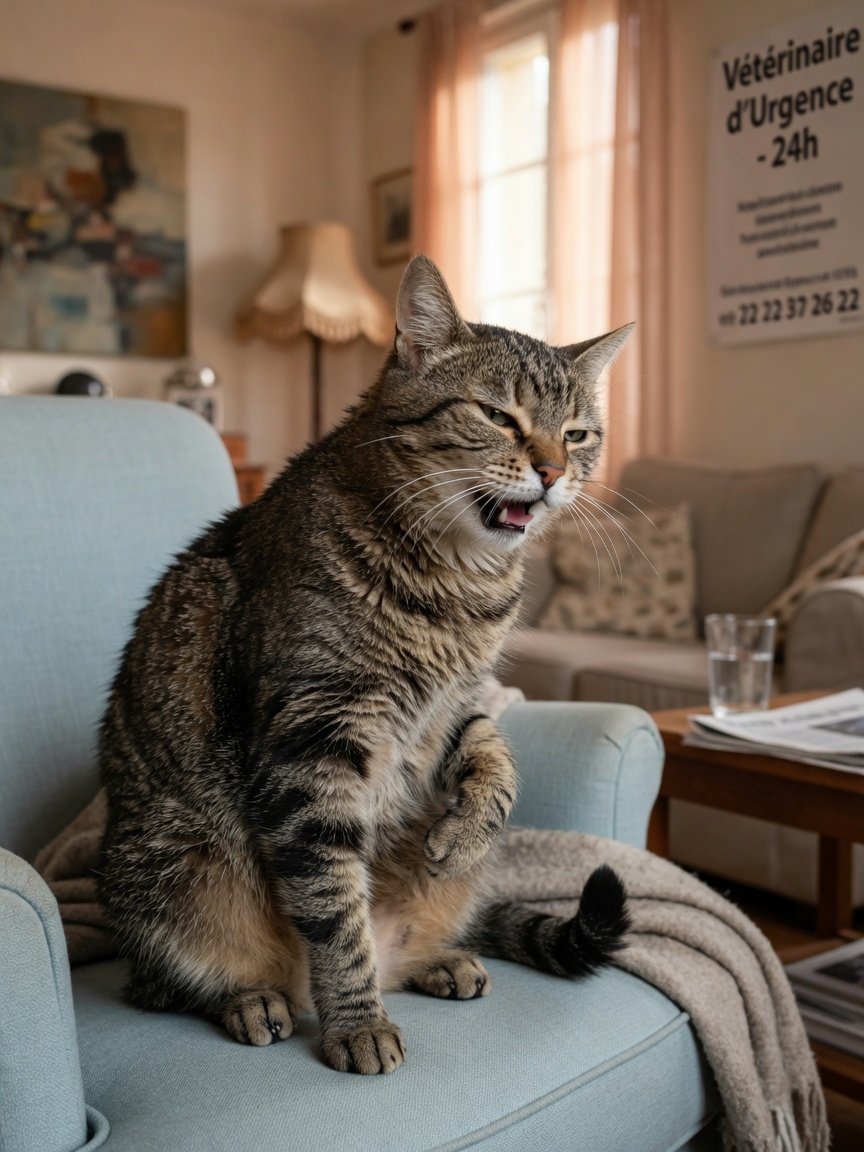
The clinical signs of laryngeal paralysis in cats reflect the degree of airway obstruction and any underlying systemic disease. The hallmark features are:
- Stridor — a harsh, high-pitched inspiratory noise caused by turbulent airflow through the narrowed larynx
- Voice change — dysphonia or complete loss of normal vocalisation is common and often an early sign that owners notice
- Respiratory distress, which may worsen with excitement, exercise, or elevated environmental temperature
- Coughing or gagging, sometimes associated with aspiration of food or liquid
- Open-mouth breathing in more severe cases
- Cyanotic (blue-tinged) gums indicating oxygen deprivation in advanced cases
In cats with an underlying systemic cause such as polyneuropathy, other neurological signs — including weakness in the hind limbs, muscle wasting, or altered gait — may accompany the respiratory symptoms.
Diagnosis
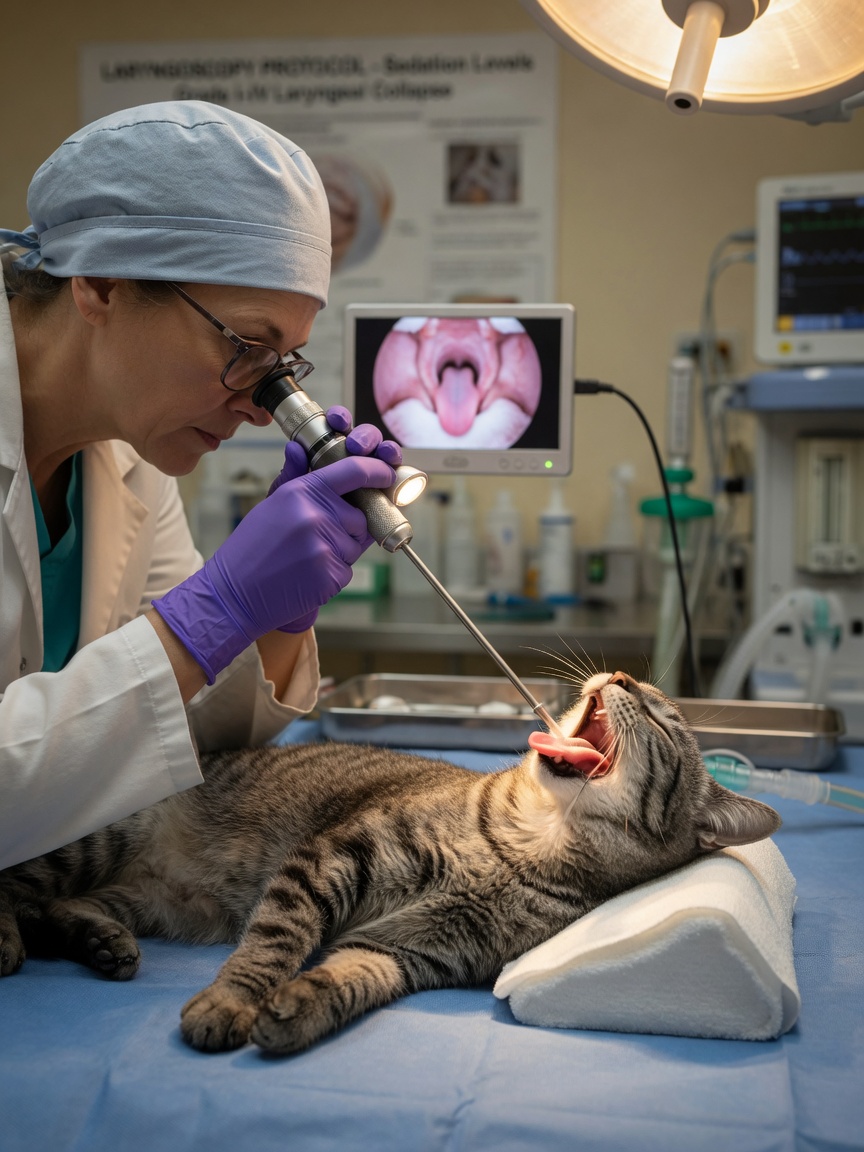
Definitive diagnosis requires direct visualisation of the larynx under a light plane of anaesthesia. The anaesthetic protocol is critical: the cat must be sedated enough to permit examination but not so deeply anaesthetised that laryngeal motion is chemically suppressed. An experienced clinician will observe the arytenoid cartilages and assess whether they move appropriately during inhalation. In laryngeal paralysis, the cartilages fail to abduct (open outward) during inspiration and may even paradoxically move inward.
Supporting diagnostics should include chest radiographs to screen for aspiration pneumonia and masses, neck radiographs or CT imaging to look for compressive lesions, thyroid function testing, and a broad metabolic blood panel. In selected cases, nerve conduction studies or muscle biopsy may be warranted to characterise any associated neuromuscular disease.
Treatment
Management of laryngeal paralysis in cats depends on the severity of the obstruction and whether an underlying reversible cause can be identified and treated. In mild cases, conservative management — limiting stress and physical exertion, avoiding heat and humidity, and managing body weight — may suffice for a period.
In cats with significant obstruction or recurrent respiratory crises, surgical intervention is the most definitive treatment. The procedure most commonly performed is a unilateral arytenoid lateralisation — often called a "tie-back" procedure. One arytenoid cartilage is sutured in a permanently abducted position, effectively holding one side of the laryngeal opening wider. This is performed on one side only to reduce the risk of aspiration.
Post-operative aspiration pneumonia is the most significant complication to guard against. Dietary modification — feeding from an elevated position, using a carefully selected food texture, and closely monitoring for coughing after meals — reduces this risk. Owners must understand that the surgical airway is permanently widened and that any future anaesthesia requires careful airway management.
Prognosis
Outcomes in cats with laryngeal paralysis depend heavily on the cause. Cats with trauma-induced or idiopathic paralysis that is treated surgically often achieve good quality of life. Those with underlying neoplasia or progressive polyneuropathy face a more uncertain trajectory, as the primary disease may progress regardless of treatment for the laryngeal component.
Early recognition — before the cat suffers repeated oxygen deprivation events or develops aspiration pneumonia — significantly improves the chances of a good outcome. If your cat has developed a noticeably different voice, is making unusual breathing sounds, or seems to struggle with breathing when excited or warm, a prompt veterinary assessment is warranted.