
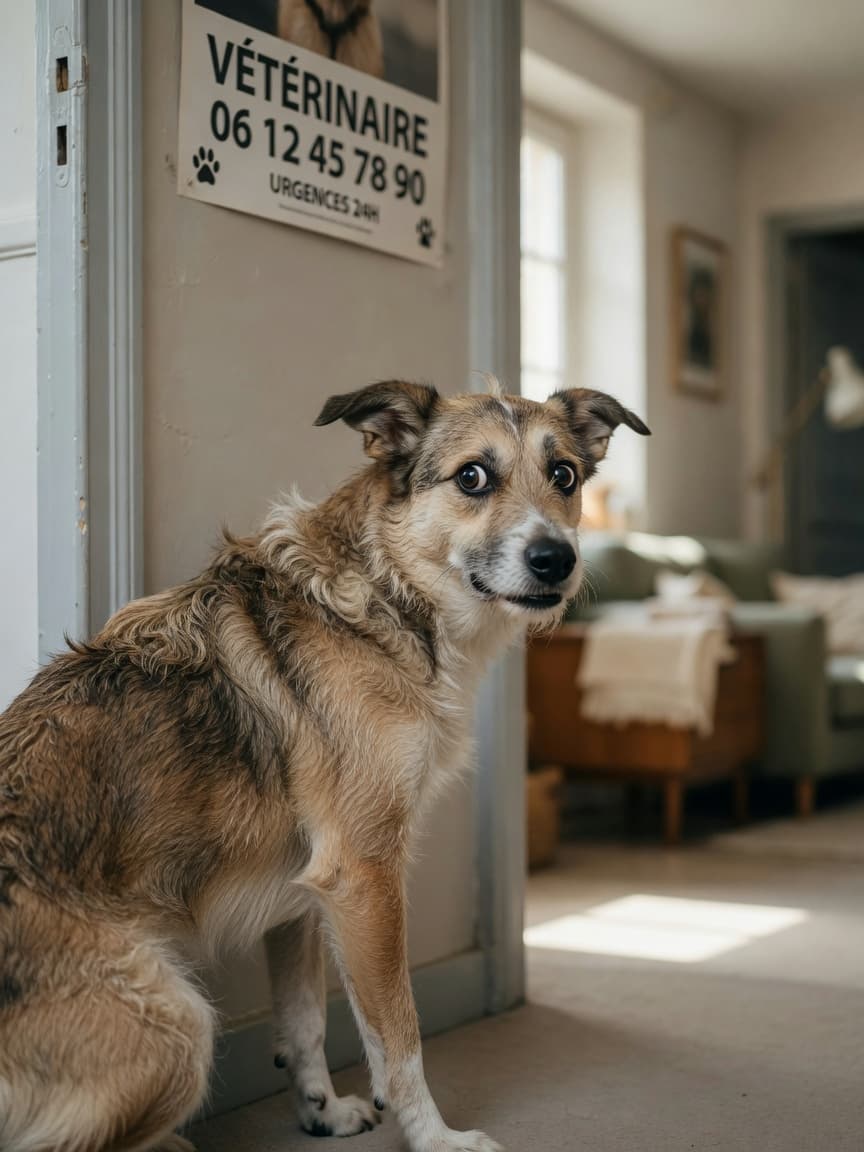
Just like humans, dogs experience stress, and it's more common than many pet owners realise. Whether triggered by changes in routine, loud noises, separation, or health issues, stress in dogs can significantly impact their wellbeing and behaviour. The challenge is that our canine companions can't tell us how they're feeling, so it's essential to recognise the subtle signs that indicate your dog may be struggling emotionally. By learning to spot these signals early, you can take steps to support your dog and prevent stress-related problems from escalating.
Physical Signs of Stress in Dogs
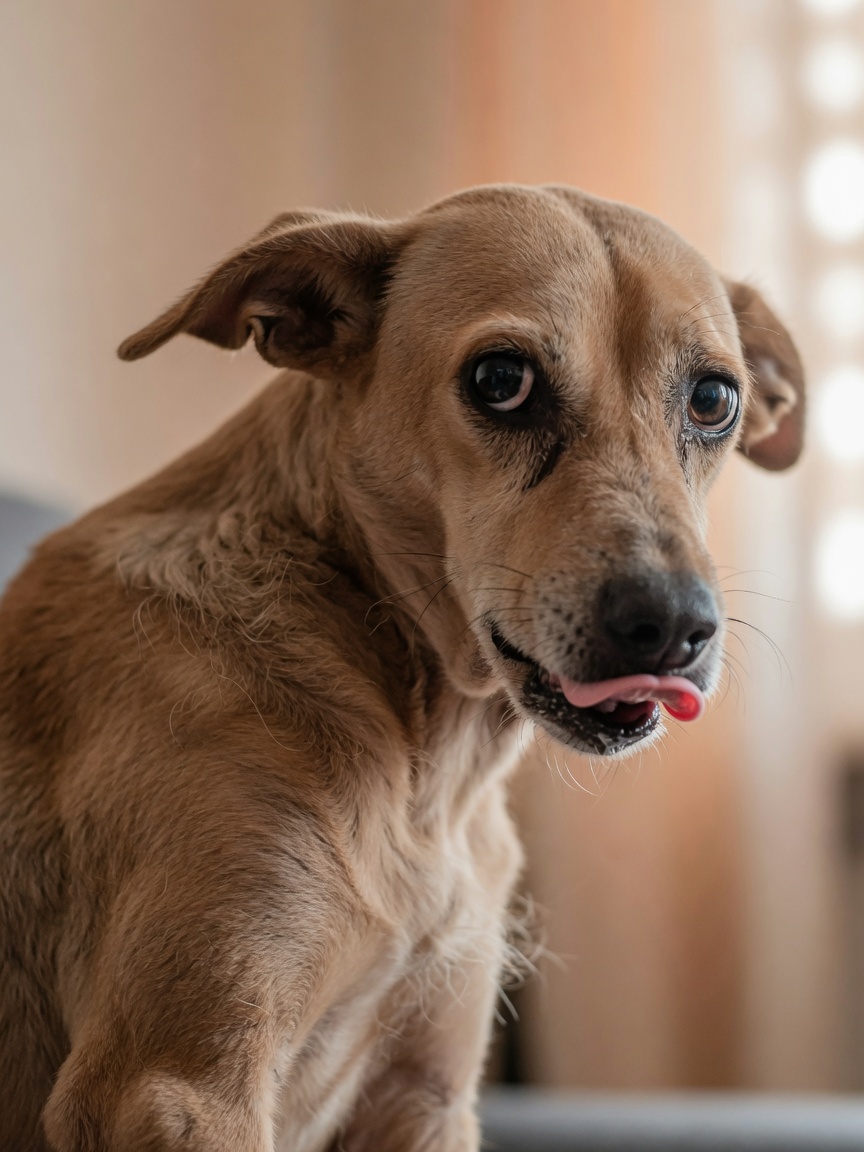
Stressed dogs often display physical symptoms that are worth monitoring. One of the most common indicators is changes in coat condition—a stressed dog's fur may become dull, and excessive shedding or hair loss in patches can occur. You might also notice:
- Trembling or shaking, even in warm weather
- Excessive panting or rapid breathing without physical exertion
- Dilated pupils or a tense facial expression
- Changes in appetite, ranging from eating less to becoming a compulsive eater
- Digestive issues, including diarrhoea, constipation, or vomiting
- Excessive yawning or lip licking
If your dog shows any of these physical signs persistently, it's worth scheduling a veterinary check-up to rule out underlying health conditions.
Behavioural Changes That Signal Stress

Behavioural modifications are often the most noticeable indicators of canine stress. Your dog's personality and habits can shift quite dramatically when they're anxious or overwhelmed. Common behavioural changes include:
- Excessive barking, whining, or howling
- Aggression or sudden irritability towards people or other animals
- Destructive behaviour, such as chewing furniture or digging
- Attempts to escape or excessive pacing
- Withdrawal and reluctance to engage in favourite activities
- Clinginess or separation anxiety when you leave home
- House training regression in previously housetrained dogs
If your outgoing, friendly dog suddenly becomes withdrawn, or your calm dog develops sudden aggression, stress could be the culprit.
Common Stress Triggers for Dogs
Understanding what's causing your dog's stress is crucial for resolution. Common triggers include:
- Environmental changes: Moving house, renovations, or changes to furniture arrangements
- Noise sensitivity: Fireworks, thunderstorms, or loud household appliances
- Separation anxiety: Being left alone for extended periods
- Routine disruptions: Changes in feeding times, walk schedules, or family members' absence
- Socialisation issues: Lack of exposure to people, places, or other animals during puppyhood
- Health problems: Pain, illness, or discomfort from underlying medical conditions
Creating a Stress-Free Environment
Once you've identified potential stressors, you can work to reduce them. Establish a consistent daily routine, as predictability helps dogs feel secure. Create a safe space—a quiet area with comfortable bedding where your dog can retreat when anxious. Consider using calming aids such as adaptil diffusers or anxiety wraps, and ensure your dog receives adequate exercise and mental stimulation through play and training.
When to Seek Professional Help
If stress symptoms persist despite your efforts to manage triggers, consult your veterinarian. They can rule out medical causes and may recommend behaviour modification techniques or, in some cases, refer you to a qualified animal behaviourist. Professional support can be invaluable for serious anxiety or aggression issues.
Key Takeaways
Recognising stress in your dog requires attention to both physical and behavioural changes. Watch for signs like coat problems, digestive issues, excessive barking, or personality shifts. Identify potential triggers in your dog's environment, maintain consistent routines, and provide a secure, calm space. Early intervention often prevents stress from developing into more serious behavioural or health problems. Your veterinarian is always your best resource when you're concerned about your dog's emotional wellbeing.