
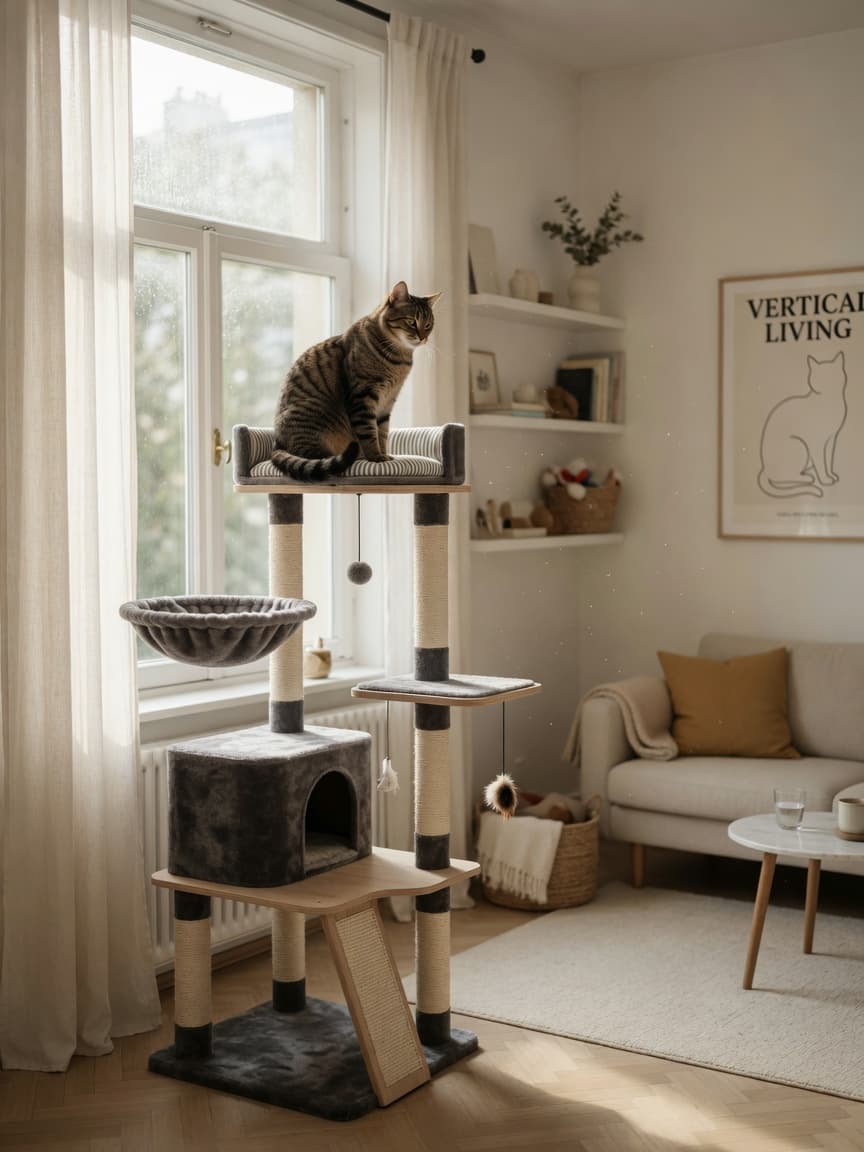
If you're considering bringing a feline friend into your home, you've likely wondered whether your cosy apartment has enough space for a cat to thrive. The good news? Cats are surprisingly adaptable creatures who can flourish in smaller living spaces—but only if their environment meets their fundamental needs. Unlike dogs, cats don't require vast square footage; instead, they need thoughtfully designed spaces that provide mental stimulation, exercise opportunities, and safe havens. Let's explore what actually matters when determining whether your apartment is cat-ready.
Understanding Minimum Space Requirements
There's no magic formula for the "perfect" apartment size for cats. Research from feline behaviour experts suggests that cats can live contentedly in apartments as small as 45 square metres, provided the space is well-organised and enriched. What matters far more than total square footage is how effectively you utilise the available space. A small, cluttered flat is less suitable than a modestly-sized, well-planned environment.
Consider this: cats spend approximately 70% of their time sleeping or resting. They're not constantly moving around like dogs. Instead, they need strategic spaces for activity and rest periods rather than unlimited roaming territory.
Essential Environmental Features
To determine if your apartment suits a cat, assess whether you can provide these crucial elements:
- Vertical spaces: Cats think in three dimensions. Wall-mounted shelves, cat trees, and high perches aren't luxuries—they're necessities. These elevated spaces provide security, exercise, and mental enrichment.
- Window access: A sunny windowsill offers free entertainment and mental stimulation. Cats love bird watching and observing outdoor activity.
- Dedicated litter area: A quiet corner away from food and water bowls is essential. Most experts recommend one litter tray per cat, plus one extra.
- Play and activity zones: Even small apartments can accommodate interactive play areas with toys, puzzle feeders, and scratching posts.
- Quiet retreat spaces: Cats need safe spaces where they can withdraw when stressed or overstimulated.
Creating an Enriched Environment
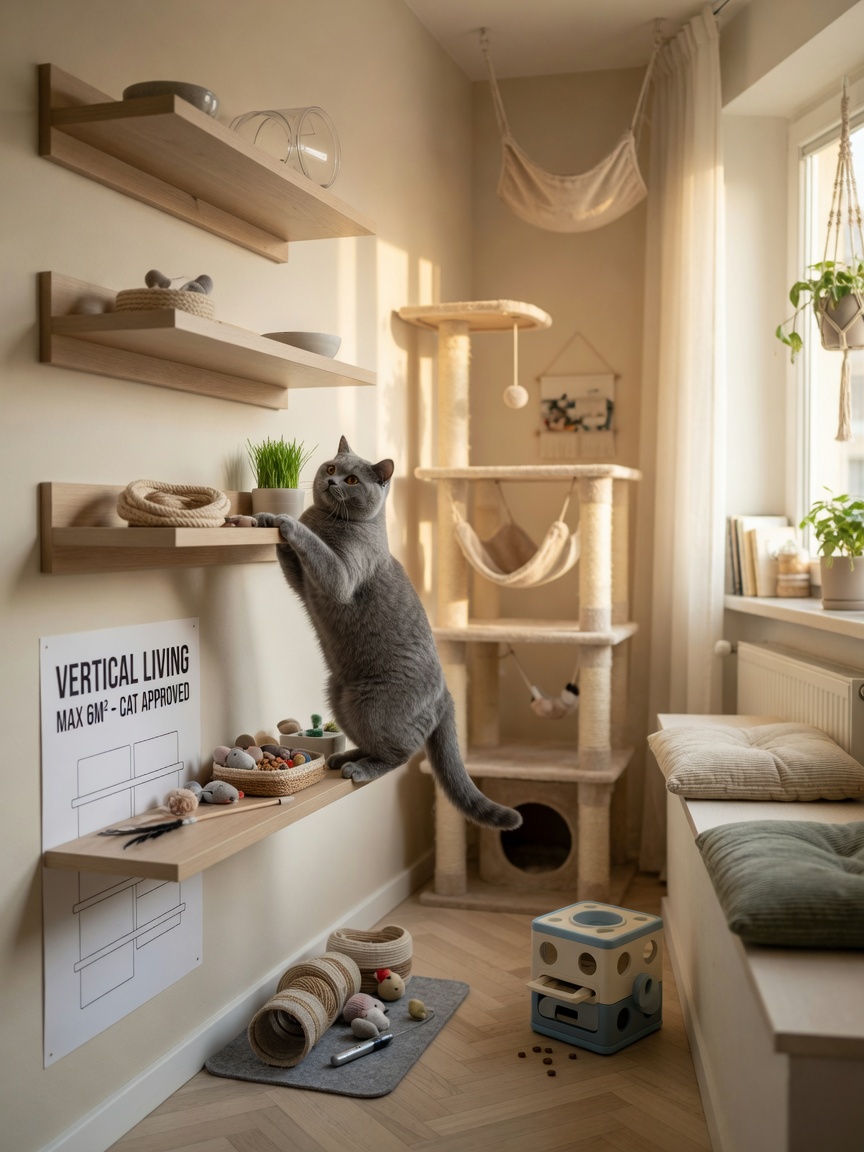
Size limitations can be overcome through clever enrichment. Multi-level cat furniture maximises vertical space, whilst puzzle toys and automated feeders provide mental stimulation. Rotating toys weekly keeps your cat interested without requiring additional floor space. Consider window perches for bird watching, wall-mounted shelves for climbing, and hiding spots in cupboards or under beds.
Interactive play sessions with your cat for 10-15 minutes twice daily compensate for limited roaming space. This engagement is more valuable than having a sprawling apartment with no interaction.
Single Cat Versus Multiple Cats
One cat requires less space than two, but not necessarily double the space for two cats. However, if you're considering multiple cats in a smaller apartment, ensure adequate resources:
- Separate feeding and water stations
- Multiple litter trays (minimum: number of cats + 1)
- Sufficient vertical territory to avoid conflict
- Individual hiding spots for each cat
Some cats are more social and cope well with feline companions; others are solitary. Your apartment's size should influence this decision.
Breed and Personality Considerations
Certain breeds adapt better to apartment living. Calmer, less active breeds like Ragdolls or British Shorthairs often thrive in smaller spaces, whilst highly energetic breeds like Bengals or Abyssinians may find limited apartments frustrating. Additionally, individual personality matters more than breed—some cats are naturally content with their own company, whilst others crave stimulation.
Key Takeaways
Your apartment is likely suitable for a cat if you can provide vertical spaces, enrichment opportunities, natural light, and daily interactive play. Focus less on square metres and more on creating a stimulating, secure environment. With thoughtful planning and commitment to your cat's wellbeing, apartments of various sizes can offer perfectly happy homes for feline companions. The real question isn't whether your apartment is big enough—it's whether you're prepared to make it enriching enough.