
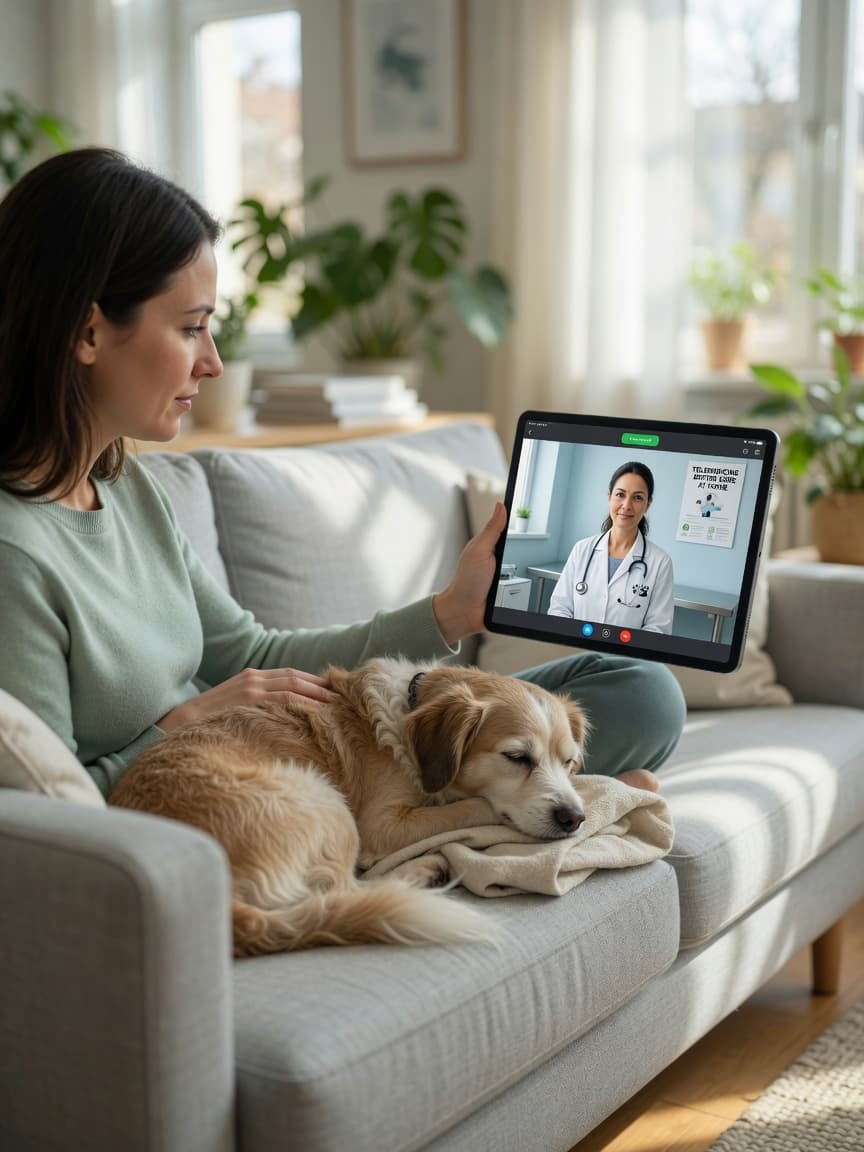
The landscape of pet healthcare has transformed dramatically over the past few years. Gone are the days when a visit to your veterinary surgery was your only option for professional advice. Online veterinary services have emerged as a convenient, accessible alternative that's revolutionising how pet owners manage their companions' health. Whether you're seeking a quick consultation about a minor concern or looking for follow-up care, virtual vet services offer flexibility and immediacy that traditional practices sometimes can't match. But are they right for your pet, and how do they actually work? Let's explore what you need to know.
What Are Online Veterinary Services?
Online veterinary services connect you with qualified veterinarians through digital platforms, allowing you to consult about your pet's health without leaving your home. These services typically operate through video calls, phone consultations, or online messaging systems. A licensed vet can assess your pet's symptoms, provide preliminary diagnoses, recommend treatments, and prescribe medications—all from behind a screen.
The key advantage is accessibility. You're no longer restricted by geographical location or surgery opening hours. Whether it's a Saturday evening or you live in a rural area far from the nearest practice, online vets are often available when you need them.
Types of Conditions Suitable for Virtual Consultations
Not every health concern can be addressed online, but many can. Online vets are particularly useful for:
- Behavioural questions and training advice
- Dietary concerns and nutrition guidance
- Minor skin irritations or coat issues
- Medication refills and prescriptions
- Follow-up consultations after surgery
- Travel health certificates and vaccination records
- General wellness questions and pet care advice
- Anxiety or stress-related issues
However, conditions requiring physical examination—such as suspected fractures, acute injuries, abdominal pain, or respiratory distress—absolutely require in-person veterinary care. Online consultations should never replace emergency vet services when your pet is in acute distress.
How to Access Online Vet Services
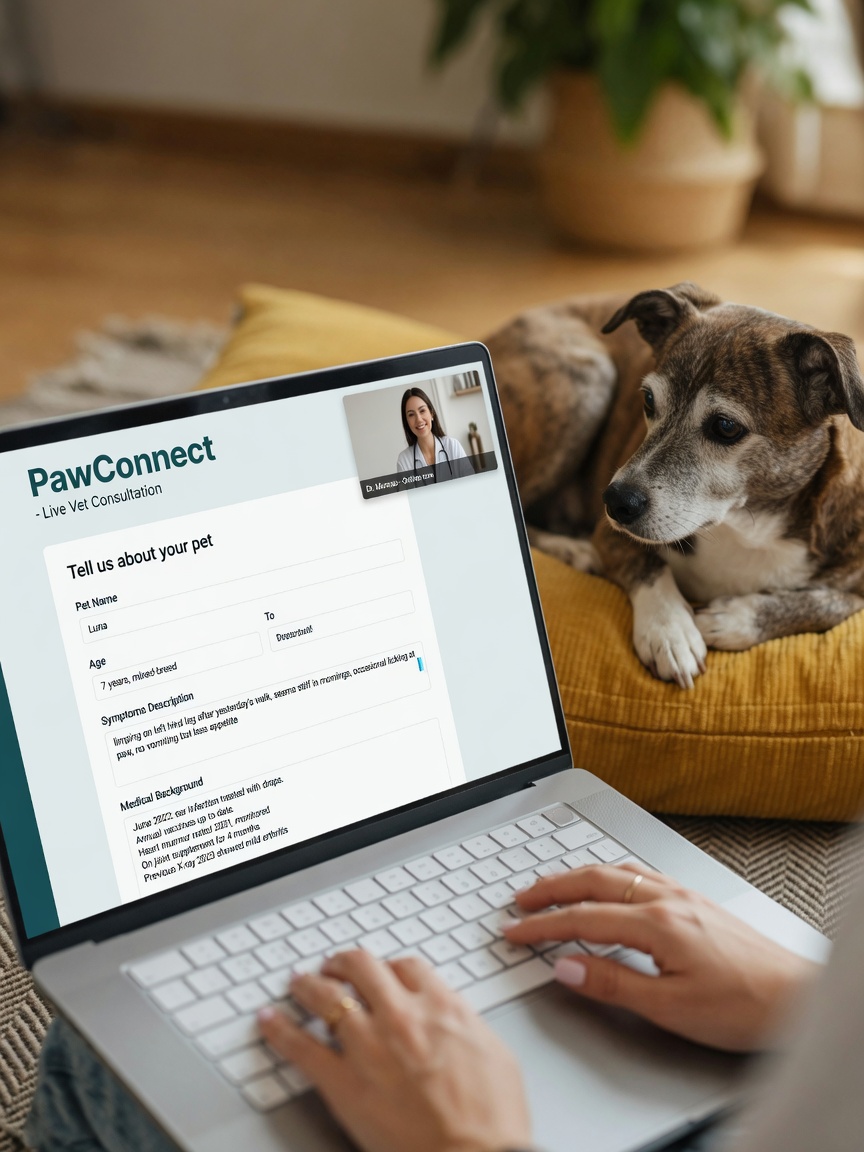
Several reputable platforms now offer online veterinary consultations in the UK and Europe. When selecting a service, ensure the veterinarians are registered with your country's veterinary regulatory body. In the UK, look for vets registered with the Royal College of Veterinary Surgeons (RCVS).
The typical process works like this:
- Create an account and provide your pet's medical history
- Describe your pet's symptoms or concern in detail
- Schedule a video or phone consultation at a convenient time
- Speak directly with a qualified veterinarian
- Receive a diagnosis, advice, or prescription (where appropriate)
Advantages of Virtual Vet Consultations
Beyond convenience, online veterinary services offer several genuine benefits:
- Cost-effective: Typically more affordable than traditional surgery visits
- Reduced stress: Many pets feel less anxious in their familiar home environment
- Time-saving: No travel time or waiting room queues
- Documentation: Consultations are often recorded or summarised in writing for your records
- Second opinions: Easy to seek advice from multiple vets without complicated arrangements
Limitations and When to Seek In-Person Care
It's crucial to understand what online vets cannot do. They cannot perform physical examinations, take blood samples, conduct ultrasounds, or prescribe certain controlled medications. They also cannot examine your pet's eyes, ears, mouth, or abdomen properly through a screen alone.
Always seek immediate in-person care if your pet shows signs of emergency, including severe trauma, difficulty breathing, collapse, uncontrollable bleeding, seizures, or severe pain.
Key Takeaways
Online veterinary services represent a valuable addition to pet healthcare, offering convenience and accessibility for many routine concerns. However, they work best as a complement to, not a replacement for, traditional veterinary care. The ideal approach is maintaining a relationship with a local veterinary practice whilst utilising online services for non-urgent consultations and follow-up care. Always verify that any online vet service is properly regulated, and never hesitate to seek in-person care when your pet's condition warrants it. Your pet's health and safety should always be the priority.