
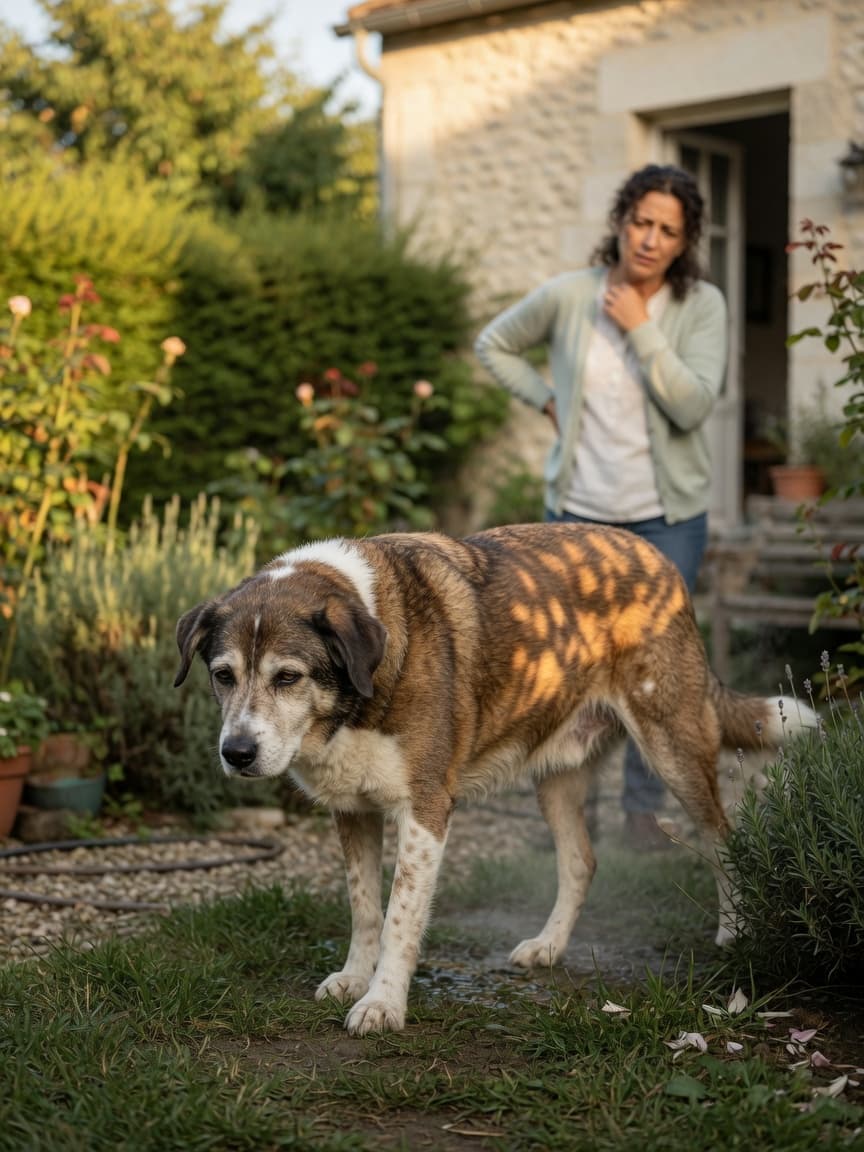
If you've noticed your dog making more frequent trips to the garden or having accidents indoors, you're not alone. Excessive urination, known as polyuria in veterinary terms, is a common concern that worries many dog owners. Whilst occasional increases in bathroom visits can be perfectly normal, persistent excessive urination often signals an underlying health issue that deserves your attention. Understanding the difference between normal variation and genuine concern is the first step towards keeping your furry companion healthy.
What's Normal? Understanding Your Dog's Bathroom Habits
Healthy adult dogs typically urinate between 3 and 5 times daily, though this varies based on individual factors. Puppies, senior dogs, and smaller breeds may urinate more frequently. Diet, activity level, and water intake all influence how often your dog needs the toilet. Most dogs produce roughly 20-40 millilitres of urine per kilogram of body weight daily. If your dog is urinating significantly more than usual—perhaps 8 to 10 times daily or large volumes each time—this warrants investigation.
Common Medical Causes of Excessive Urination
Several health conditions can trigger polyuria in dogs. Here are the most frequently diagnosed:
- Diabetes mellitus: One of the most common endocrine disorders in dogs, diabetes causes elevated blood sugar levels, leading to increased urination and thirst.
- Urinary tract infections (UTIs): Bacterial infections irritate the bladder, causing frequent, urgent urination, often with discomfort.
- Cushing's syndrome: This hormonal condition increases cortisol levels, resulting in increased thirst and urination.
- Kidney disease: Chronic kidney disease impairs the kidneys' ability to concentrate urine, leading to excessive urination.
- Diabetes insipidus: A less common condition affecting the pituitary gland, resulting in inability to regulate fluid balance.
- Thyroid disorders: Hyperthyroidism can increase metabolism and urination frequency.
- Bladder stones or crystals: These can cause irritation and frequent, small-volume urination.
Behavioural and Lifestyle Factors
Not all excessive urination stems from illness. Environmental and behavioural factors can increase bathroom frequency:
- Increased water intake due to hotter weather or more active play
- Dietary changes or higher salt content in food
- Anxiety or stress-related behaviours
- Age-related changes in elderly dogs
- Medications that increase urination as a side effect
When to Contact Your Veterinarian
Schedule a veterinary appointment if you notice:
- A sudden increase in urination frequency or volume
- Accompanying symptoms such as increased thirst, weight loss, or lethargy
- Accidents indoors in a previously housetrained dog
- Straining to urinate or signs of pain during urination
- Blood in the urine or foul-smelling urine
- Changes lasting more than a few days
What to Expect at the Vet's Surgery
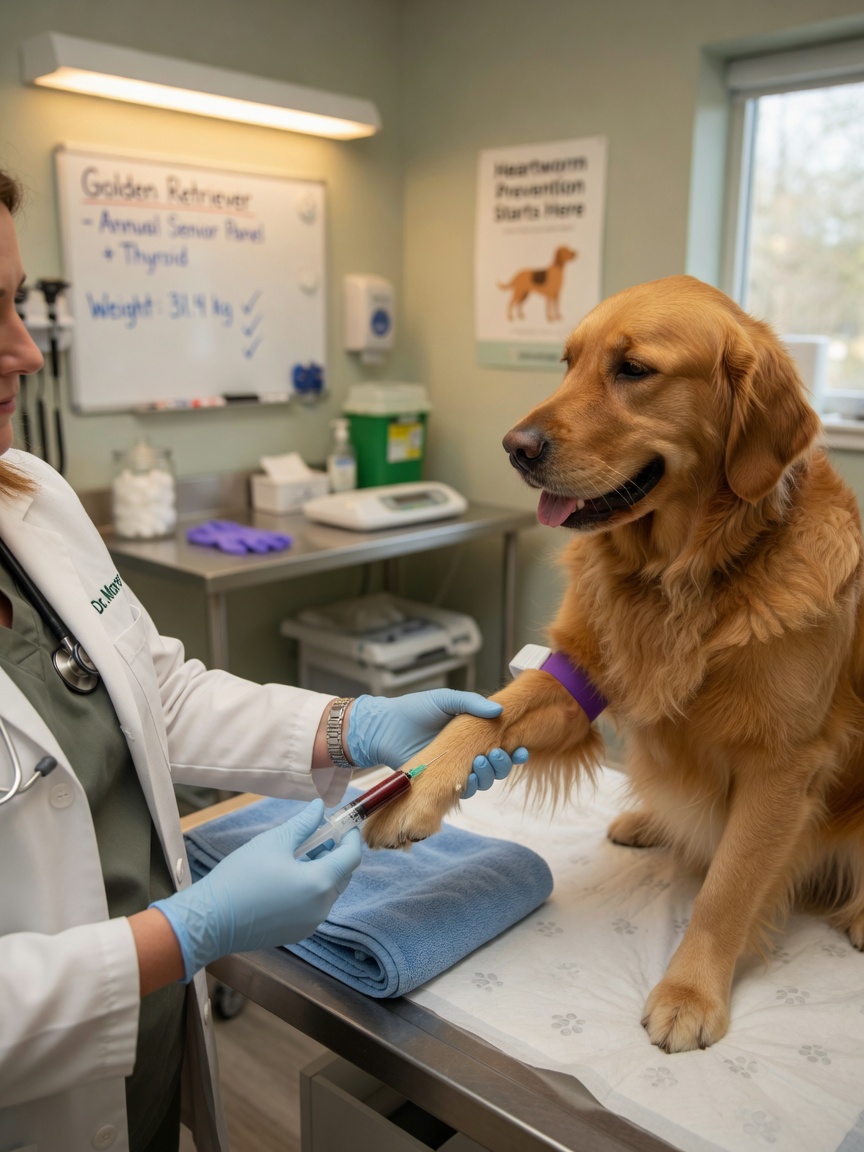
Your veterinarian will likely perform a thorough physical examination and request a detailed history of your dog's symptoms. Diagnostic tests typically include urine analysis and blood work to check kidney function, glucose levels, and electrolyte balance. Abdominal ultrasound or X-rays may be recommended depending on initial findings. These investigations help pinpoint the underlying cause, enabling your vet to recommend appropriate treatment.
Key Takeaways
Excessive urination in dogs rarely resolves without investigation. Whilst some causes—like increased water intake during summer—are harmless, many require prompt medical attention. Trust your instincts: you know your dog best. If their bathroom habits change noticeably, contact your vet rather than waiting. Early diagnosis of conditions like diabetes or kidney disease significantly improves outcomes. Keep a brief record of urination frequency and any other symptoms before your appointment—this information proves invaluable in guiding your veterinarian's diagnostic approach. Your dog's health depends on your vigilance and willingness to seek professional guidance when something seems amiss.