
How Long Do Indoor Cats Live?
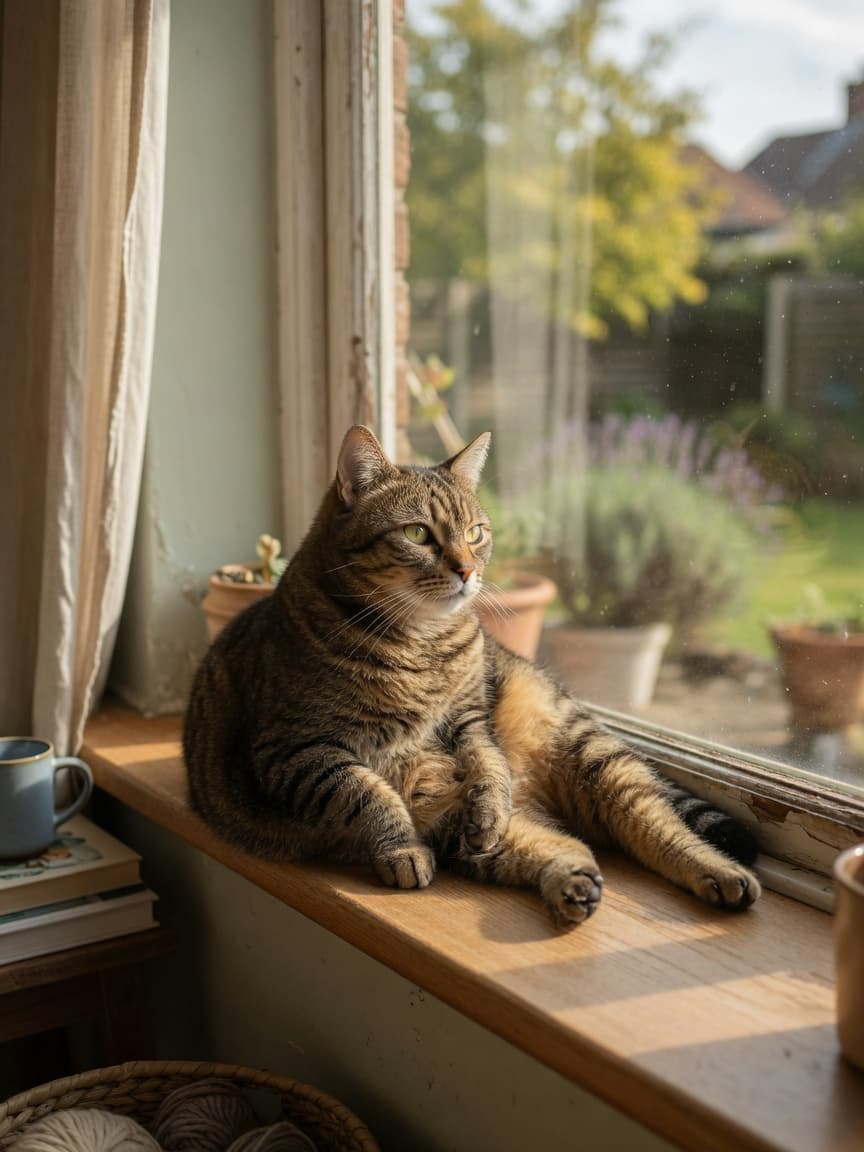
The lifespan difference between indoor and outdoor cats is substantial. Indoor cats live an average of 12 to 18 years, with many reaching their late teens and some living into their early twenties. Outdoor cats, by contrast, have an average lifespan of just 5 to 7 years. This is not a marginal difference — it represents roughly twice the life expectancy, and for many owners it is one of the most compelling reasons to keep cats indoors or to limit outdoor access to supervised or enclosed spaces.
Understanding the reasons behind this gap helps owners appreciate why the decision matters, and also highlights the specific responsibilities that come with keeping a cat indoors. An indoor life is not automatically a good life — it requires active effort from owners to ensure their cat's physical and mental needs are met.
Why Do Indoor Cats Live Longer?
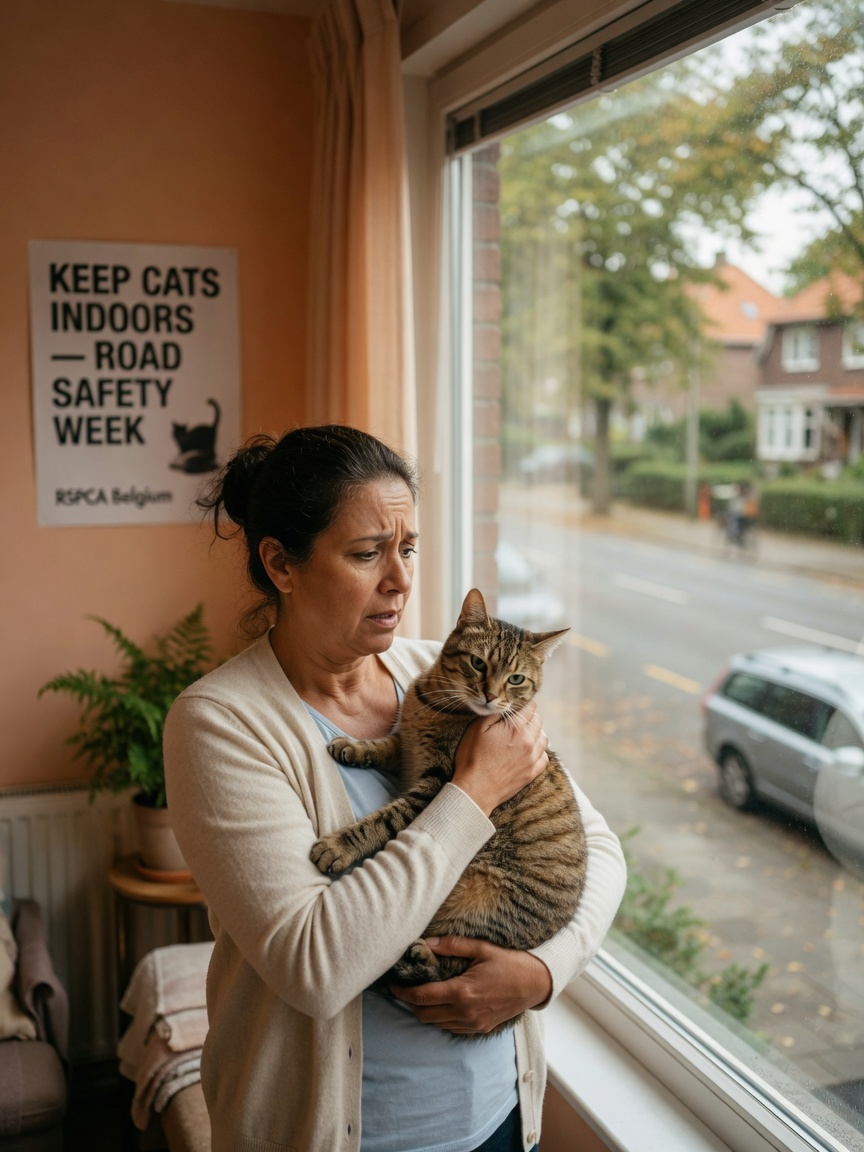
The extended lifespan of indoor cats is the result of removing or substantially reducing several major causes of feline mortality and injury.
Road Traffic Accidents
Road traffic accidents are one of the leading causes of death and serious injury in outdoor cats, particularly in urban and suburban areas. Young adult male cats are disproportionately affected, as they are more likely to roam widely and cross roads. Keeping cats indoors eliminates this risk entirely. Even in quieter areas, roads represent an unpredictable hazard that accounts for a significant proportion of premature feline deaths.
Infectious Disease
Outdoor cats come into contact with unknown cats and wildlife, creating routes of transmission for serious infectious diseases including feline leukaemia virus (FeLV), feline immunodeficiency virus (FIV), feline infectious peritonitis (FIP), and respiratory infections. FeLV and FIV in particular are transmitted through bites, which occur during fights between cats — fights that outdoor cats, especially unneutered males, are far more likely to be involved in. Indoor cats face dramatically lower exposure to these pathogens.
Predators and Wildlife Risks
Depending on location, outdoor cats may face risks from foxes, dogs, and other predators. Beyond the direct risk to the cat, encounters with wildlife also increase exposure to parasites including ticks and fleas carrying disease. While UK cats face fewer large predator risks than cats in some other countries, wildlife encounters remain a source of injury and disease transmission.
Toxin Exposure
The outdoor environment contains numerous toxins hazardous to cats, including anticoagulant rodenticides used in gardens and on farmland, toxic plants, slug pellets, and chemicals applied to lawns. Outdoor cats may ingest these substances directly or through grooming contaminated fur. Indoor cats have exposure limited to what is present in the home, which owners have far greater ability to control.
Health Risks Specific to Indoor Cats
While indoor life removes many external hazards, it introduces its own set of health risks. Responsible ownership means being aware of these and addressing them proactively.
Obesity
Obesity is the most prevalent health problem in indoor cats and one of the most damaging to long-term wellbeing. Without the exercise that comes from roaming, hunting, and territorial patrol, indoor cats expend significantly fewer calories than their outdoor counterparts. Combine this with ad-libitum dry food feeding and limited owner awareness of healthy body condition, and the result is an obesity epidemic in the indoor cat population.
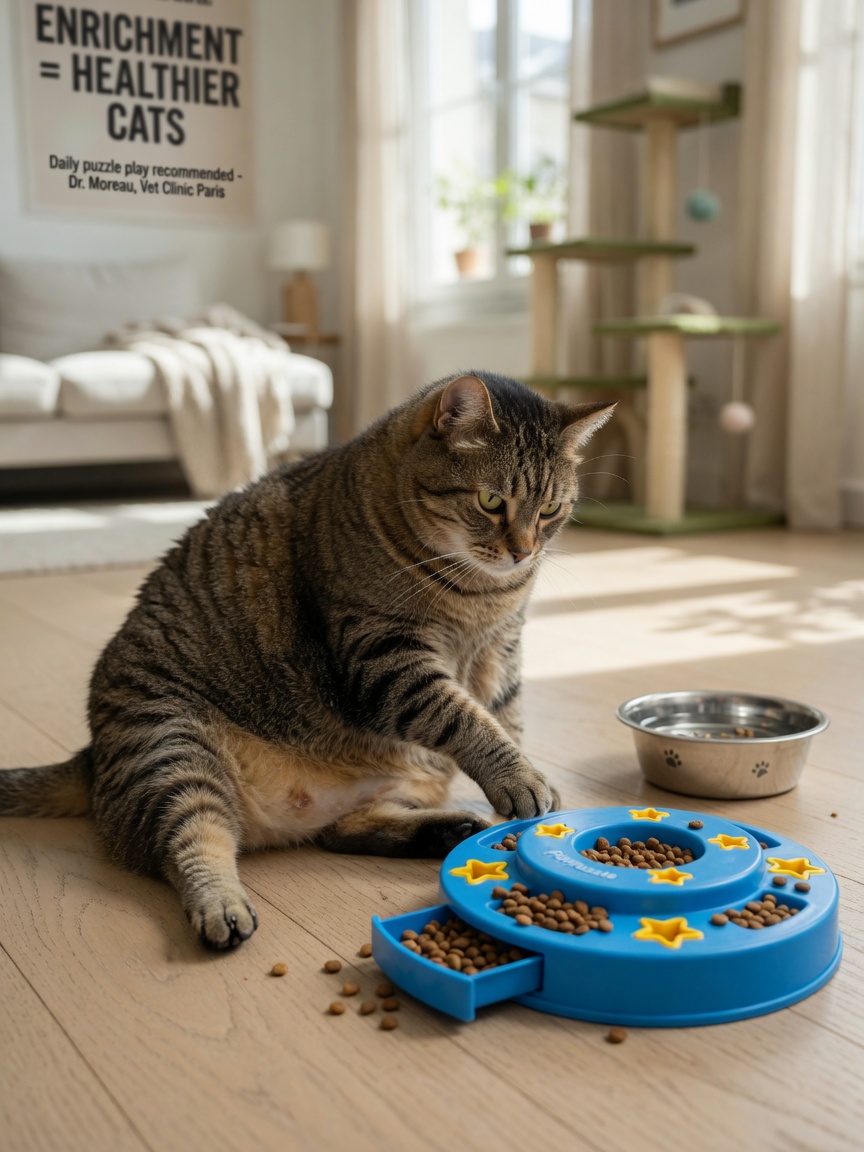
Obesity in cats is linked to diabetes mellitus, hepatic lipidosis, joint disease, and reduced lifespan. Portion-controlled feeding using a veterinary-recommended daily calorie allowance, choosing a high-quality diet appropriate to the cat's life stage, and using puzzle feeders to slow eating and increase activity are all effective interventions.
Boredom and Behavioural Problems
Cats are complex animals with strong instincts to hunt, explore, climb, and patrol territory. An indoor cat whose environment fails to provide outlets for these behaviours may develop compulsive disorders, excessive vocalisation, destructive behaviour, or redirected aggression. Boredom is a genuine welfare concern, not simply an aesthetic one.
Stress and Feline Idiopathic Cystitis
Cats are highly sensitive to environmental stressors, and indoor cats — particularly those in multi-cat households or environments with few resources — are at elevated risk of chronic stress. Stress is the primary trigger for feline idiopathic cystitis (FIC), a painful condition causing urinary symptoms that accounts for a significant proportion of emergency veterinary visits in young to middle-aged indoor cats. Resource availability — including separate feeding stations, litter trays, and resting spots — is central to managing multi-cat household stress.
Lower Urinary Tract Disease
Indoor cats have higher rates of lower urinary tract disease broadly, partly linked to stress and partly to the tendency towards reduced water intake in cats fed predominantly dry food. Encouraging water consumption through water fountains, wet food, and multiple water stations around the home reduces this risk.
Enrichment to Compensate for Lost Stimuli
A well-enriched indoor environment is essential to meeting the behavioural and physical needs of an indoor cat. The goal is to provide opportunities for the natural behaviours that roaming would otherwise satisfy.
- Vertical space: tall cat trees, wall-mounted shelves, and window perches allow cats to survey their territory from height, which is naturally rewarding
- Hunting simulation: puzzle feeders, lick mats, and food-dispensing toys engage foraging instincts and slow eating
- Interactive play: daily sessions with wand toys that mimic prey movement are one of the most effective forms of enrichment for indoor cats
- Scratching opportunities: multiple scratching posts in different locations allow cats to mark territory and maintain claws
- Safe outdoor access: enclosed gardens, purpose-built catios, or cat-proof fencing can allow outdoor sensory experiences without the associated hazards
- Window interest: a bird feeder positioned outside a window creates a safe source of visual stimulation
The indoor cat lifespan advantage is real and significant. But length of life is only part of the equation. Providing an environment that is mentally stimulating, physically active, and socially satisfying ensures that those additional years are genuinely worth living.