
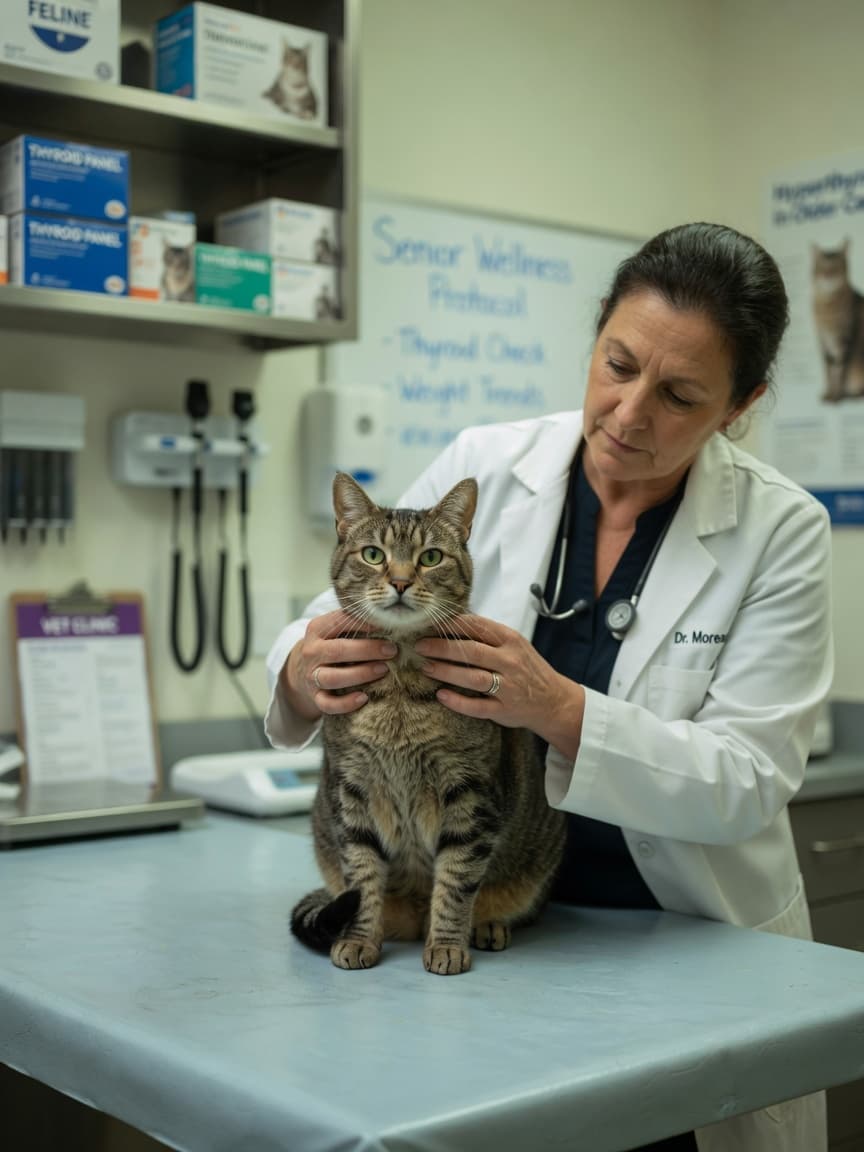
Why the Thyroid Gland Matters in Your Cat
The thyroid gland sits in your cat's neck and produces hormones that regulate metabolism, heart rate, body temperature, and energy use. When it starts overproducing those hormones — a condition called hyperthyroidism — it throws virtually every body system into overdrive. It is the most frequently diagnosed hormonal disorder in cats, and it almost exclusively affects those aged ten and older.
Understanding what hyperthyroidism looks like, why it develops, and what your options are can make a significant difference to your cat's quality of life. Caught early, it is highly manageable. Left untreated, the consequences can be severe.
What Causes Hyperthyroidism in Cats
In the vast majority of cases, hyperthyroidism results from a benign enlargement of thyroid tissue called adenomatous hyperplasia. Less than two per cent of cases involve a malignant tumour called thyroid carcinoma. While researchers have explored several potential triggers — including dietary iodine levels, exposure to certain chemicals in food tins, and genetic predisposition — no single definitive cause has been confirmed.
Certain cat foods packaged in pull-tab tins have been associated with higher risk in some studies, as has consumption of fish-based and liver-flavoured foods over long periods. These associations remain under investigation, and no dietary recommendation has yet been formally issued based on this data alone.
Recognising the Signs
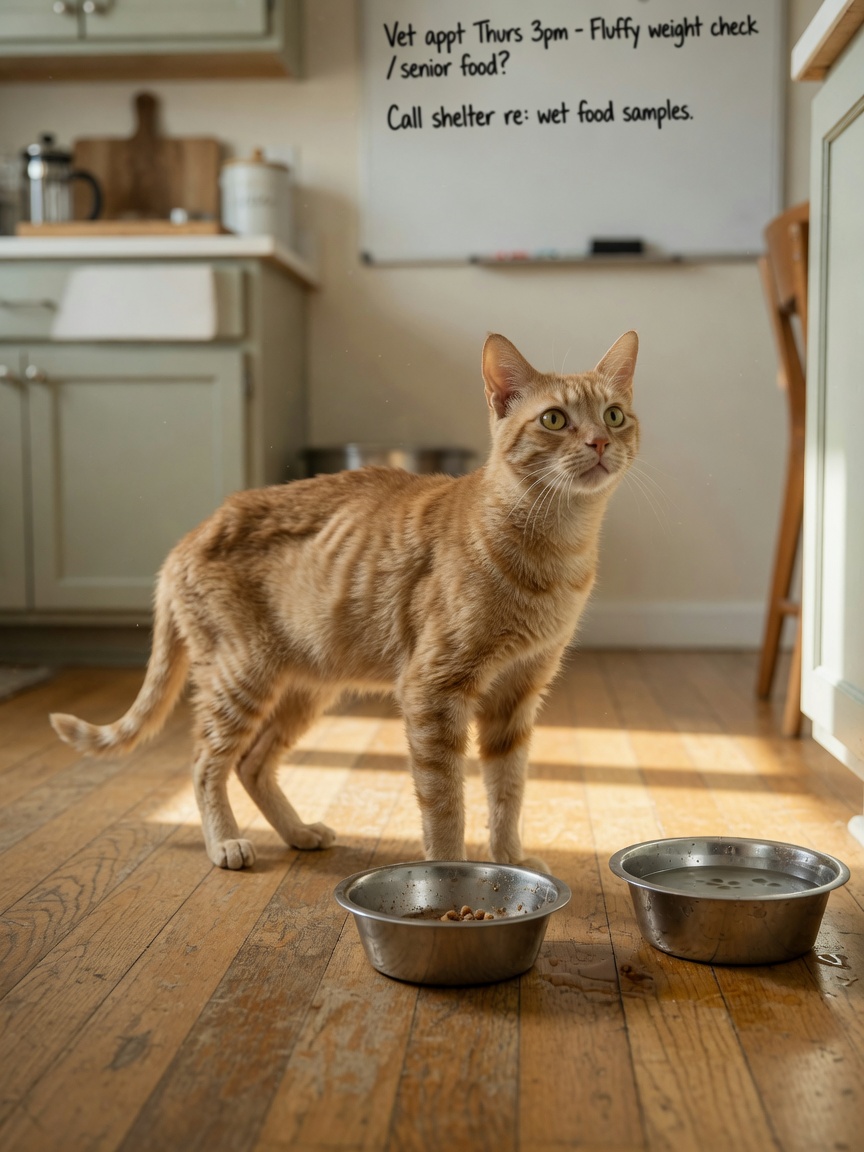
Hyperthyroidism is a great impersonator. Many of its early signs can look like normal ageing, which is one reason it often goes undetected for longer than it should. The classic presentation includes:
- Increased appetite, sometimes dramatically so, without corresponding weight gain
- Weight loss despite eating well — often the first clue owners notice
- Increased thirst and urination
- Hyperactivity or restlessness, particularly at night
- A coat that appears unkempt or greasy
- Vomiting or diarrhoea, sometimes intermittently
- Vocalisation, especially in older cats who were previously quiet
- Rapid or irregular heartbeat, detectable by your vet
Some cats present with what is called apathetic hyperthyroidism, where instead of being energetic and hungry, they are lethargic and have a poor appetite. This form is less common but more easily missed because it resembles other illnesses more closely.
How Vets Diagnose It
Diagnosis typically begins with a routine blood test measuring total thyroxine (T4) levels. In most hyperthyroid cats, T4 is clearly elevated. However, in early or mild cases, T4 can fall within the upper normal range — particularly if a concurrent illness is suppressing it artificially. In these situations, vets may repeat the test, request a free T4 measurement using equilibrium dialysis, or perform thyroid scintigraphy, which maps the actual activity of thyroid tissue.
Your vet will also assess kidney function carefully. Hyperthyroidism increases blood flow to the kidneys, which can mask underlying chronic kidney disease. Treating the thyroid condition can unmask that kidney disease, so pre-treatment kidney assessment is important for planning the right approach.
Treatment Options Available in the UK
There are four main routes to managing hyperthyroidism, each with its own advantages and trade-offs.
Medical Management with Methimazole or Carbimazole
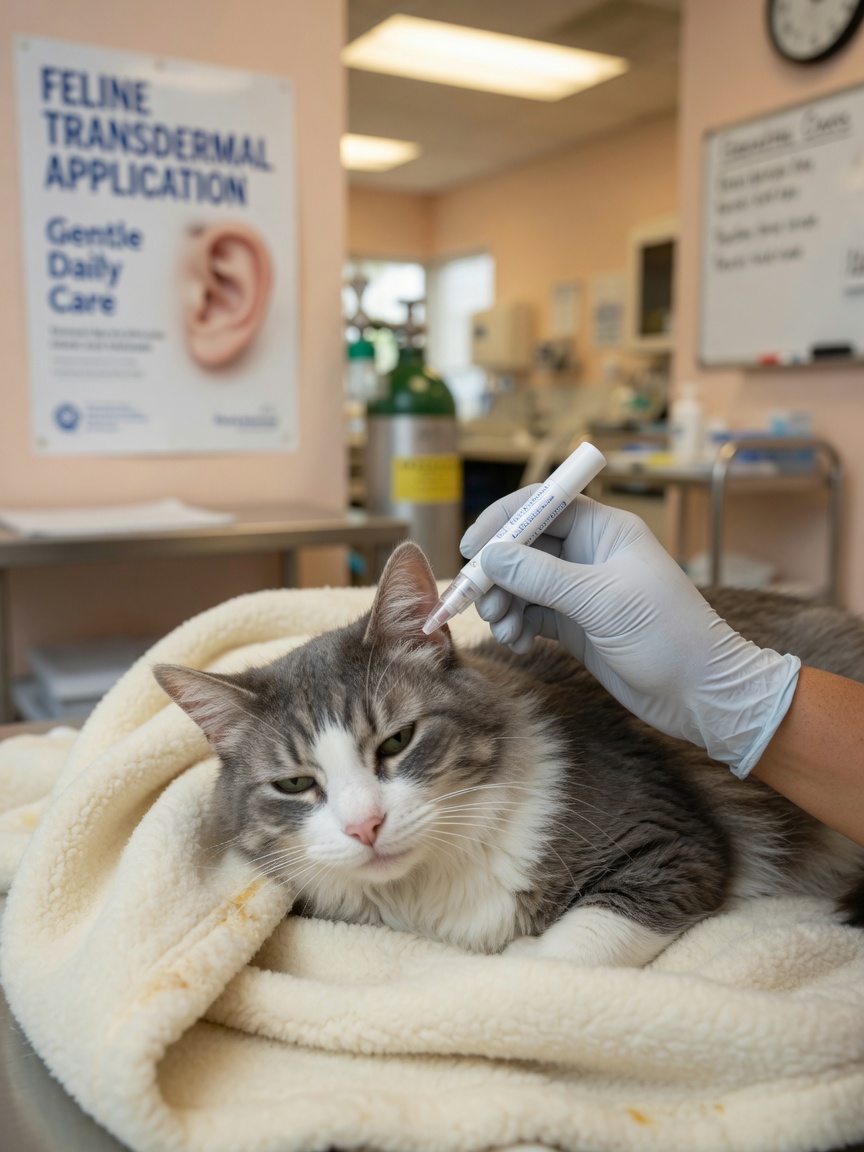
These medications block the production of thyroid hormone and are available in tablet or transdermal gel form. They do not cure the condition — the cat must take them lifelong — but they are effective at controlling it. Side effects occur in a minority of cats and can include facial scratching, vomiting, or in rare cases, suppression of white blood cells. Regular blood monitoring is required, especially in the first few months.
Radioactive Iodine Therapy
Widely considered the gold standard, radioactive iodine (I-131) is given as a single injection and selectively destroys abnormal thyroid tissue while largely sparing the normal tissue. Cure rates exceed ninety-five per cent. The main drawback is that cats must be hospitalised at a licensed facility for a minimum period while the radioactivity clears — typically one to three weeks depending on the facility and radiation levels.
Surgical Thyroidectomy
Surgical removal of the affected thyroid lobe or lobes is curative in most cases. The primary risk lies in inadvertent damage to the parathyroid glands, which sit adjacent to the thyroid and regulate calcium. In experienced hands, this surgery carries a good success rate, though it is less commonly performed since radioactive iodine became more widely available.
Dietary Therapy
A prescription diet severely restricted in iodine — of which Hill's y/d is the main commercial example — can control thyroid hormone production in cats fed exclusively on this food. Strict compliance is essential; any other food, treats, or supplements will undermine the effect. This approach suits cats who cannot tolerate medication or anaesthesia, though some owners find the dietary restriction difficult to maintain long-term.
What Happens If It Goes Untreated
Prolonged untreated hyperthyroidism places enormous strain on the heart. Many affected cats develop hypertrophic cardiomyopathy, a thickening of the heart muscle, as a direct result of the sustained increased cardiac workload. Hypertension — high blood pressure — is also common and can damage the eyes, kidneys, and brain over time. Some cats present with acute blindness caused by hypertensive retinal detachment, which is both dramatic and distressing.
The kidneys are also at risk. While hyperthyroidism can paradoxically preserve kidney function in the short term through increased blood flow, the disease itself still accelerates organ damage over time.
Monitoring After Treatment
Whichever treatment path you choose, ongoing monitoring is essential. T4 levels should be rechecked at regular intervals, alongside kidney function and blood pressure measurements. Cats on medication need periodic blood counts. With radioactive iodine or surgery, hypothyroidism is a possible outcome if too much thyroid tissue is affected — this is discussed further in a separate article on post-treatment management.
With the right diagnosis and appropriate treatment, most hyperthyroid cats go on to live comfortably for years. Annual veterinary checks for cats over seven — and more frequent visits for those over ten — are the single best tool for catching this condition early.