
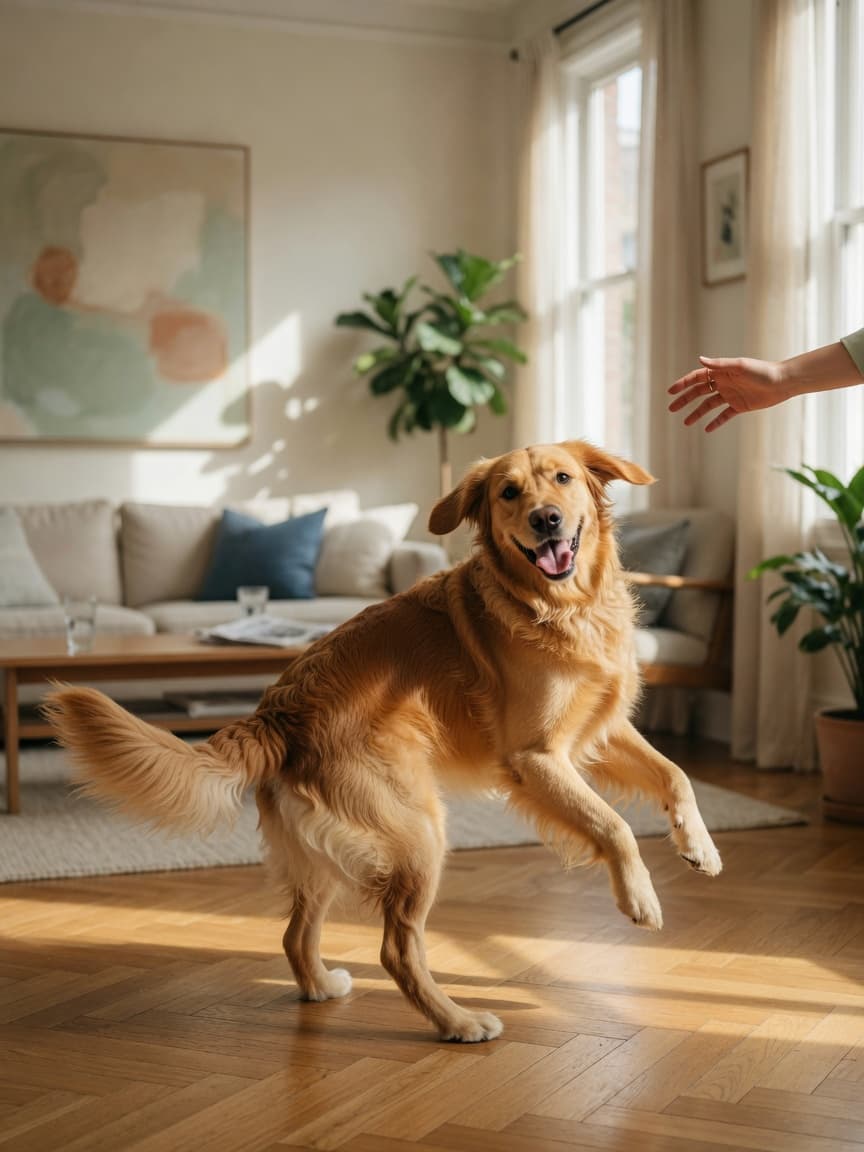
Teaching your dog to spin is one of the most delightful tricks you can train, creating a fun party trick that showcases your pup's agility and responsiveness. Beyond the entertainment value, spin training strengthens the bond between you and your dog whilst providing excellent mental stimulation and physical exercise. Whether you have a bouncy terrier or a dignified Labrador, this guide will walk you through the process step-by-step, ensuring success with patience and positive reinforcement.
Why Teach Your Dog to Spin?
Spin training offers numerous benefits beyond impressive displays at gatherings. This trick enhances your dog's body awareness, improves their coordination, and channels excess energy constructively. It's particularly valuable for anxious dogs, as the spinning motion can help them release nervous energy in a controlled manner. Additionally, mastering tricks like spinning boosts your dog's confidence and mental wellbeing, contributing to a happier, more balanced pet.
Getting Started: Preparation and Prerequisites
Before beginning spin training, ensure your dog knows basic commands such as "sit" and "stay." Have high-value treats ready—small, soft treats work best as they're easy to consume quickly during training sessions. Choose a distraction-free space with good flooring to prevent slipping, and keep training sessions short, around 5-10 minutes, to maintain your dog's enthusiasm and focus.
Step-by-Step Training Process
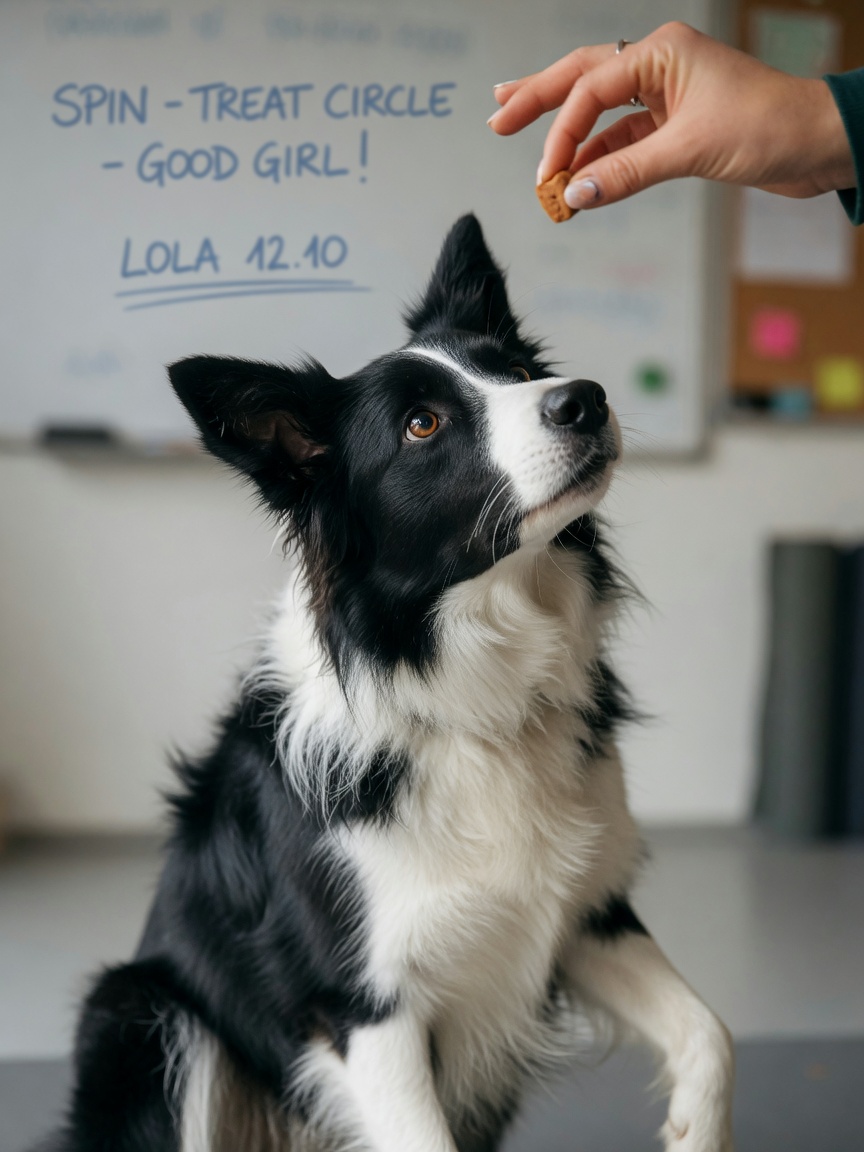
- Lure with a Treat: Hold a treat close to your dog's nose, then slowly move it in a circular motion above their head. Most dogs naturally follow the treat, beginning to turn their body. Reward immediately when they complete even a quarter turn.
- Increase the Circle: Gradually encourage larger circular movements over several training sessions. Patience is essential—some dogs pick this up quickly, whilst others need more time to understand the motion.
- Add the Command: Once your dog reliably turns in a circle whilst following the treat, introduce your chosen command word. "Spin," "twirl," or "around" all work well. Say the command clearly just before presenting the treat lure.
- Reduce Luring: Gradually decrease your reliance on the treat lure. Use hand signals instead, moving your finger in a circular motion. Your dog should begin responding to the hand signal alone.
- Phase Out Food Rewards: Once your dog responds consistently, transition to intermittent rewards. Praise enthusiastically with every spin, but give treats only occasionally. This maintains motivation whilst reducing treat dependency.
- Perfect the Performance: Practice spinning in different locations and during various times of day. This ensures your dog understands the command isn't dependent on a specific environment.
Common Challenges and Solutions
- Dog Won't Follow the Treat: Your treat might not be valuable enough. Try higher-value options like small pieces of chicken or cheese.
- Dog Spins Only One Direction: Teach spins in both directions separately, using distinct commands like "spin left" and "spin right."
- Loss of Interest: Keep sessions brief and always end on a positive note. If your dog becomes bored, take a break and try again later.
- Difficulty with Balance: Older dogs or those with joint concerns may find spinning uncomfortable. Always consult your vet before training if your dog has mobility issues.
Safety Considerations
Monitor your dog's physical condition during training. Excessive spinning can cause dizziness or joint strain, particularly in puppies and senior dogs. Never force your dog to spin, and stop immediately if they show signs of discomfort, limping, or reluctance. Dogs with conditions like hip dysplasia or arthritis should only spin under veterinary guidance.
Key Takeaways
Training your dog to spin combines fun with mental enrichment, creating a rewarding experience for both of you. Success depends on consistency, patience, and positive reinforcement rather than force or punishment. Start with short sessions, progress gradually, and celebrate small victories. Most dogs can master this trick within 2-4 weeks of regular training. Remember, the goal is strengthening your relationship whilst building your dog's confidence—enjoy the journey!