
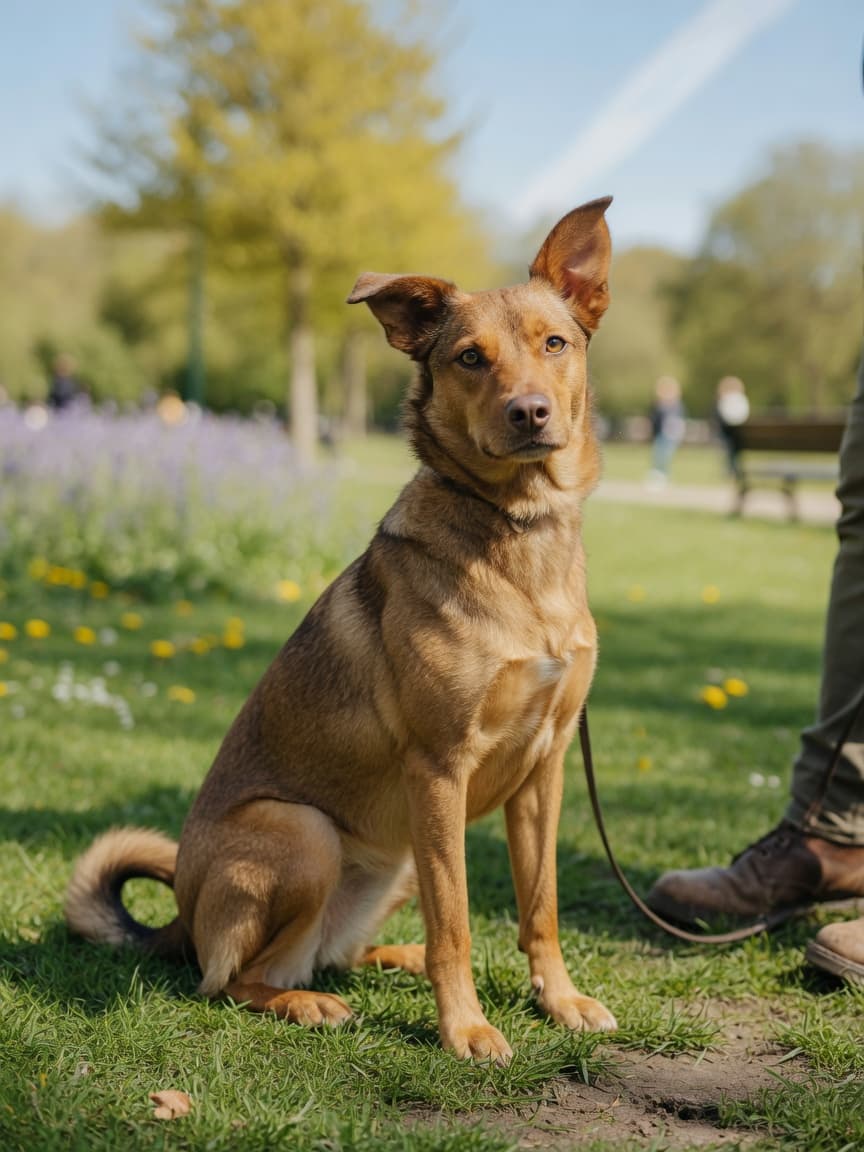
Teaching your dog to heel is one of the most valuable skills you can develop together. A dog that walks calmly by your side, without pulling or lunging, transforms daily walks from a frustrating tug-of-war into an enjoyable experience for both of you. Whether you're navigating busy streets, bustling parks, or quiet countryside paths, a well-trained heel command gives you confidence and keeps your dog safe. This comprehensive guide will walk you through the process step-by-step, using positive reinforcement techniques that work with your dog's natural instincts rather than against them.
Understanding What "Heel" Really Means
Before you begin training, it's important to understand what heeling actually is. Heeling means your dog walks close to your side—typically near your left leg—with their shoulder roughly aligned with your leg. Your dog should maintain this position without pulling, lunging, or wandering ahead. The lead should remain slack, and your dog should look to you for guidance rather than leading the walk.
Many owners confuse heeling with simply "not pulling." These are different skills. A dog can walk on a loose lead without truly heeling. True heeling requires your dog to understand their position relative to your body and to maintain it consistently.
Essential Prerequisites and Preparation
Before tackling the heel command, your dog should already understand basic obedience, particularly:
- Sitting on command
- Focusing attention on you
- Walking on a loose lead for short distances
You'll also need the right equipment. A standard 4-6 foot lead works well for training. Many trainers prefer a leather lead over extendable leads, as these give you better control and clearer communication. Choose high-value treats—small, soft pieces of chicken, cheese, or commercial training treats that your dog loves. These rewards should be special and only used during training sessions.
Step-by-Step Training Process
Start in a quiet, distraction-free environment like your garden or a quiet park. Here's how to build the heel command gradually:
- Capture the behaviour: Before formally training, watch your dog. When they naturally walk beside you without pulling, immediately say "heel" and reward them. This helps them associate the word with the behaviour.
- Lure into position: Hold a treat near your left leg at your dog's nose height. Walk a few steps while your dog follows the treat close to your leg. Say "heel" as you do this, then reward immediately.
- Increase duration: Gradually extend the number of steps your dog maintains position before receiving a reward. Start with just 3-5 steps, then gradually increase to 10, 20, and beyond.
- Add direction changes: Once your dog understands the basic concept, introduce turns and pace changes. Reward them for staying in position during these variations.
- Reduce treat frequency: Gradually move from rewarding every correct step to rewarding every few seconds, then intermittently. This prevents your dog from expecting constant treats.
- Introduce distractions: Practise in slightly busier environments, rewarding your dog generously when they maintain position despite distractions.
Common Mistakes to Avoid
Several mistakes can derail your training progress:
- Moving too quickly: Rushing the process often leads to inconsistent results. Build slowly and celebrate small improvements.
- Inconsistent commands: Use the same word every time. If some family members say "heel" and others say "walk with me," your dog becomes confused.
- Punishment-based methods: Yanking the lead or scolding creates fear and resentment, not understanding. Positive reinforcement is far more effective.
- Training when frustrated: Dogs sense your mood. Keep sessions short, happy, and positive.
Troubleshooting Persistent Problems
If your dog struggles with heeling despite consistent practice, consider whether they're being distracted by exciting scents or sights. Try training before walks when they're slightly less energised. Some dogs respond better to a specific treat or toy reward. Others benefit from longer, more frequent short sessions rather than occasional long ones.
If pulling is severe, consult a certified professional dog trainer or behaviourist. They can identify whether underlying issues like anxiety or excess energy are contributing to the problem.
Key Takeaways for Success
Training your dog to heel requires patience, consistency, and positive reinforcement. Start in quiet environments, reward generously, and gradually introduce distractions. Keep sessions short and enjoyable for both of you. Remember that every dog learns at their own pace—some master heeling in weeks, whilst others need months of practise. The investment you make now pays dividends every time you take your dog for a walk. With dedication and kindness, you'll soon enjoy peaceful, pleasant walks with your four-legged companion by your side.