

Cats are masters at hiding illness, which means detecting a fever can be challenging for even the most attentive pet owner. A fever is one of your cat's natural defence mechanisms against infection, but knowing how to recognise the signs is crucial for early intervention. Unlike humans, cats cannot tell us they feel unwell, so understanding the physical and behavioural indicators of a fever could mean the difference between a quick recovery and a serious health complication. This guide will equip you with the knowledge to spot feline fevers and know when to contact your veterinarian.
Understanding Normal Cat Temperature
Before identifying a fever, it's important to know what constitutes a normal temperature for cats. A healthy cat's body temperature ranges from 38.1°C to 39.2°C (100.5°F to 102.5°F), which is notably higher than humans. Kittens and very active cats may run slightly warmer than this range. If your cat's temperature exceeds 39.5°C (103.1°F), this generally indicates a fever and warrants veterinary attention.
Physical Signs of a Feline Fever
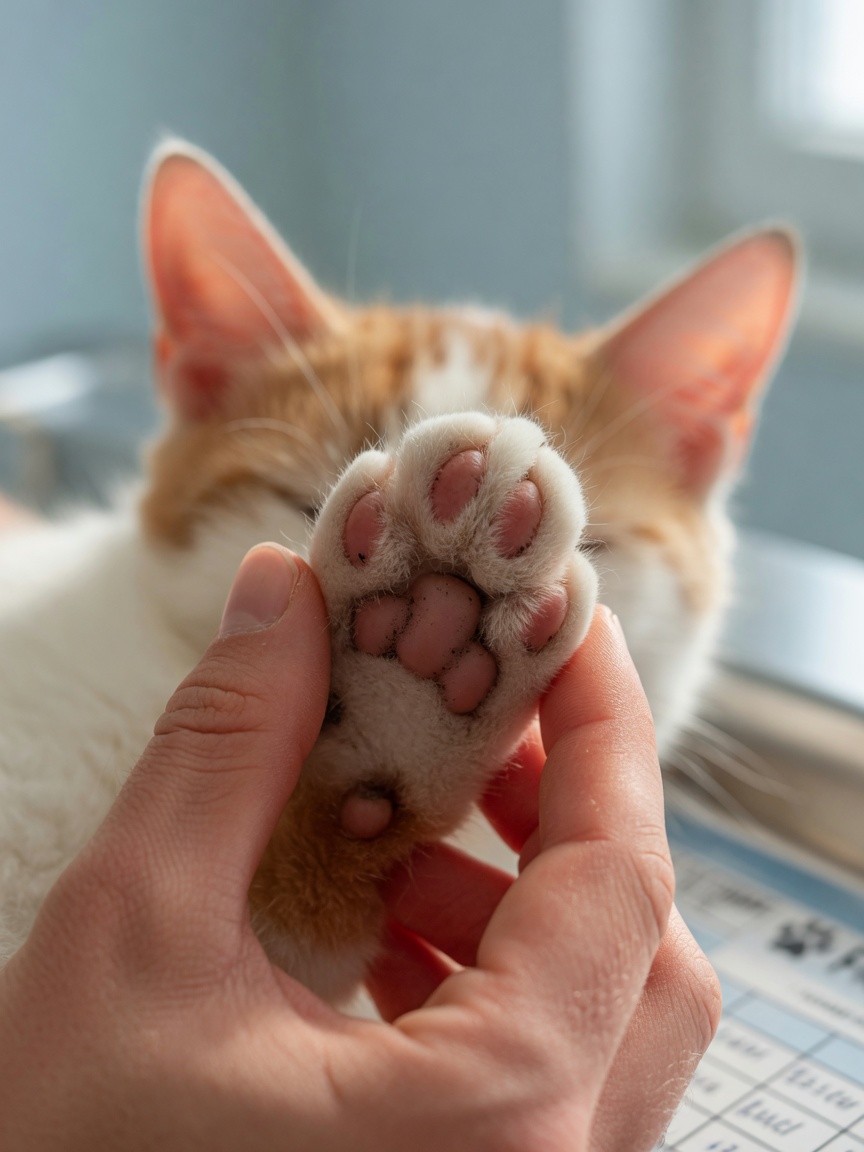
Several physical indicators can suggest your cat has a fever:
- Warm ears and nose: A cat's ears and nose feel noticeably warmer than usual to the touch
- Warm paws: The pads of their feet may feel unusually hot
- Shivering: Your cat may tremble or shiver, especially in the early stages of fever
- Dilated pupils: Eyes may appear more open and glassy than normal
- Flushed appearance: The skin under their fur may appear reddish or flushed
However, these signs are not foolproof. Some cats with fevers show minimal physical symptoms, and a warm cat doesn't always indicate fever—they may simply be resting in a sunny spot.
Behavioural Changes to Watch For
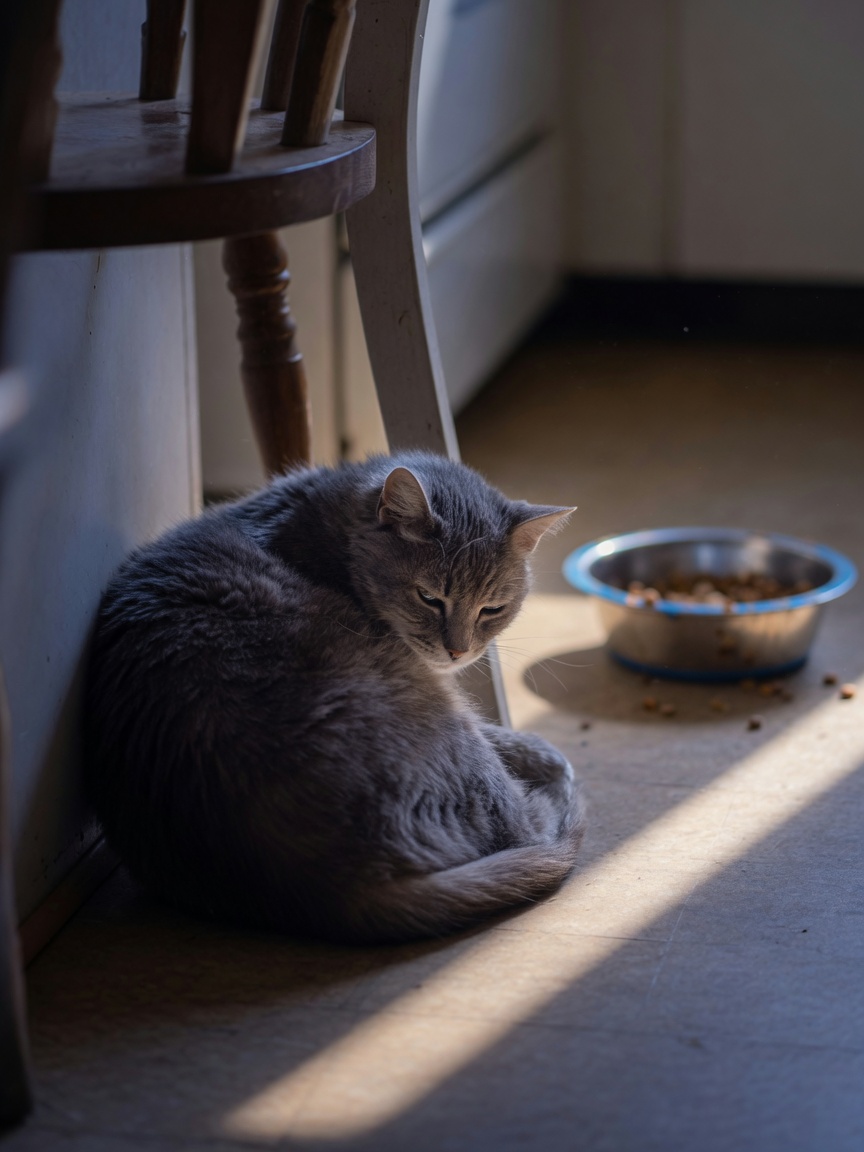
Behavioural changes often provide the most reliable clues that your cat is unwell:
- Loss of appetite or refusing treats they normally enjoy
- Excessive lethargy and reluctance to play or interact
- Hiding more than usual, often in dark, quiet areas
- Excessive grooming or neglect of grooming
- Increased vocalisations or unusual irritability
- Changes in litter box habits, including reduced urination or loose stools
- Decreased water intake or unusual drinking patterns
If your normally active cat suddenly becomes withdrawn or shows multiple behavioural changes, a fever may be the underlying cause.
How to Take Your Cat's Temperature
If you suspect a fever, the most accurate method is taking your cat's rectal temperature using a digital thermometer. Here's the proper approach:
- Use a digital rectal thermometer (not a mercury one, which poses safety risks)
- Lubricate the thermometer tip with petroleum jelly or water-based lubricant
- Gently insert the thermometer into your cat's rectum about 2.5 centimetres
- Hold it steady for 10-15 seconds until it beeps
- Record the reading and contact your vet if it exceeds 39.5°C
If your cat is distressed or uncooperative, it's best to skip the home thermometer and let your veterinarian take the temperature instead. Stress itself can elevate body temperature temporarily.
When to Contact Your Veterinarian
Seek veterinary advice if your cat shows signs of fever, particularly if accompanied by other symptoms such as vomiting, diarrhoea, coughing, or difficulty breathing. A fever lasting more than 24 hours or recurring fevers require professional evaluation. Your vet can identify the underlying cause—whether it's an infection, inflammation, or more serious condition—and recommend appropriate treatment.
Key Takeaways
Recognising a feline fever involves combining knowledge of normal cat temperature, observing physical signs, and noting behavioural changes. Trust your instincts: if something seems off with your cat, it probably is. Early detection and veterinary intervention can prevent complications and help your beloved companion recover quickly. Keep a mental note of your cat's baseline personality and behaviour, making it easier to spot deviations that might indicate fever or illness.