
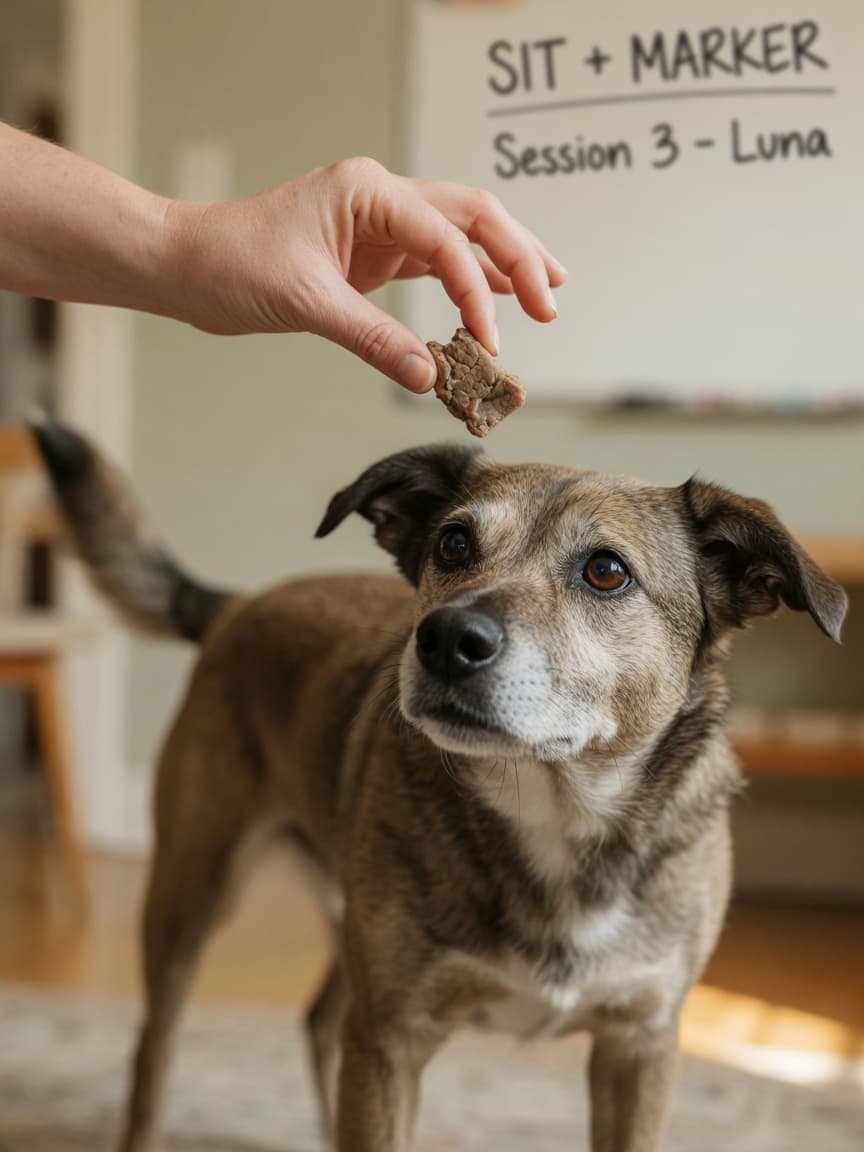
Teaching your dog to sit is one of the most fundamental and rewarding training commands you can establish. It's not just about having a well-behaved companion—mastering the "sit" command builds confidence in both you and your dog, strengthens your bond, and creates a foundation for learning more advanced behaviours. Whether you have a bouncy puppy or an adult dog, this simple yet powerful command is achievable with patience, consistency, and the right approach.
Why the "Sit" Command Matters
The "sit" command serves as a cornerstone of canine training and behaviour management. When your dog sits on request, you're teaching impulse control and establishing yourself as a calm, confident leader. This is particularly valuable in real-world situations—asking your dog to sit can prevent jumping on guests, redirect excitement during walks, or keep them safe whilst you attach their lead. Additionally, a sitting dog is far less likely to engage in unwanted behaviours like pulling, lunging, or excessive barking.
Preparing for Training Success
Before you begin, gather a few essentials:
- High-value treats your dog genuinely loves (small, soft pieces work best)
- A quiet training space with minimal distractions, especially for beginners
- Short training sessions—five to ten minutes is ideal
- Patience and a positive mindset
Timing matters considerably. Train when your dog is alert but not overly excited or tired. Mid-morning or after a short walk often works well, when your dog is focused but still energetic.
Step-by-Step Training Method
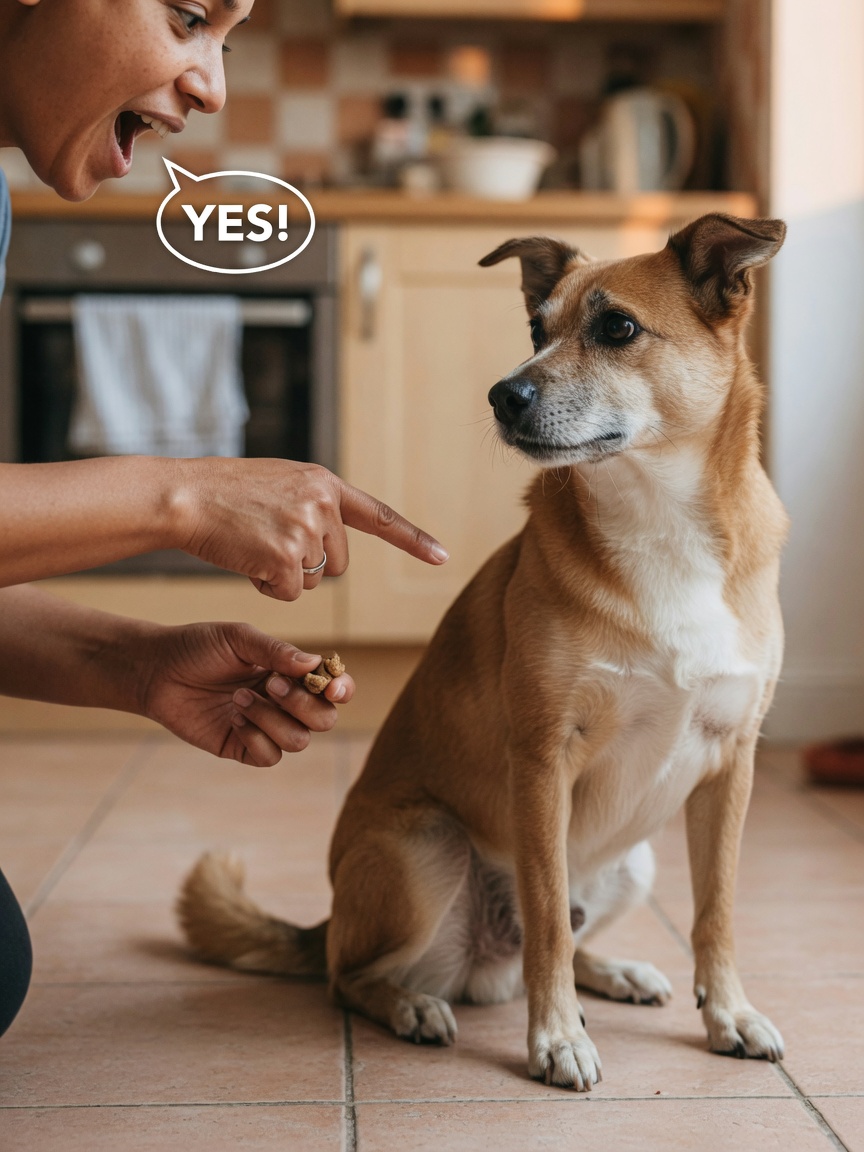
- Capture their attention: Hold a treat close to your dog's nose so they're focused on your hand rather than their surroundings.
- Lure upwards and back: Slowly move the treat towards their head, slightly backwards. As their eyes follow the treat, their bottom naturally lowers to the ground. The moment their rear touches the floor, mark the behaviour immediately with "Yes!" or a clicker if you're using clicker training.
- Reward instantly: Deliver the treat within one second of them sitting. This reinforces the connection between the action and the reward.
- Add the verbal cue: Once they're sitting reliably, begin saying "sit" just as their bottom touches the ground. Repeat this pairing for several sessions before trying the command alone.
- Test understanding: After consistent practice, try giving the verbal cue without luring. Reward generously when they respond correctly.
- Increase difficulty gradually: Once they master sitting in your kitchen, practise in different rooms, then outdoors with mild distractions.
Common Challenges and Solutions
Some dogs naturally sit readily, whilst others need more encouragement. If your dog isn't sitting spontaneously, you might be moving the treat too quickly or holding it too high. Keep movements slow and deliberate. If they're jumping instead of sitting, ensure your treat is positioned lower and closer to their body.
For dogs that seem uninterested in treats, experiment with different rewards—some dogs respond better to toys, praise, or a favourite activity like a short play session.
Building Consistency and Reliability
Once your dog understands the command, practise throughout daily life. Ask them to sit before meals, before going out on walks, or before greeting visitors. This real-world application reinforces the behaviour and demonstrates its practical value.
Consistency from all family members is essential. Everyone in your household should use the same word, tone, and reward system. Mixed messages confuse dogs and slow progress considerably.
Key Takeaways for Success
- Keep training sessions short, positive, and enjoyable for your dog
- Use high-value rewards immediately after correct behaviour
- Practise in various environments to build genuine understanding
- Be patient—every dog learns at their own pace
- Celebrate small wins and maintain a calm, encouraging demeanour
Teaching your dog to sit is a journey that strengthens your relationship whilst building their confidence and behavioural skills. With dedication and positivity, you'll soon have a reliable, well-mannered companion who responds promptly to your request.