
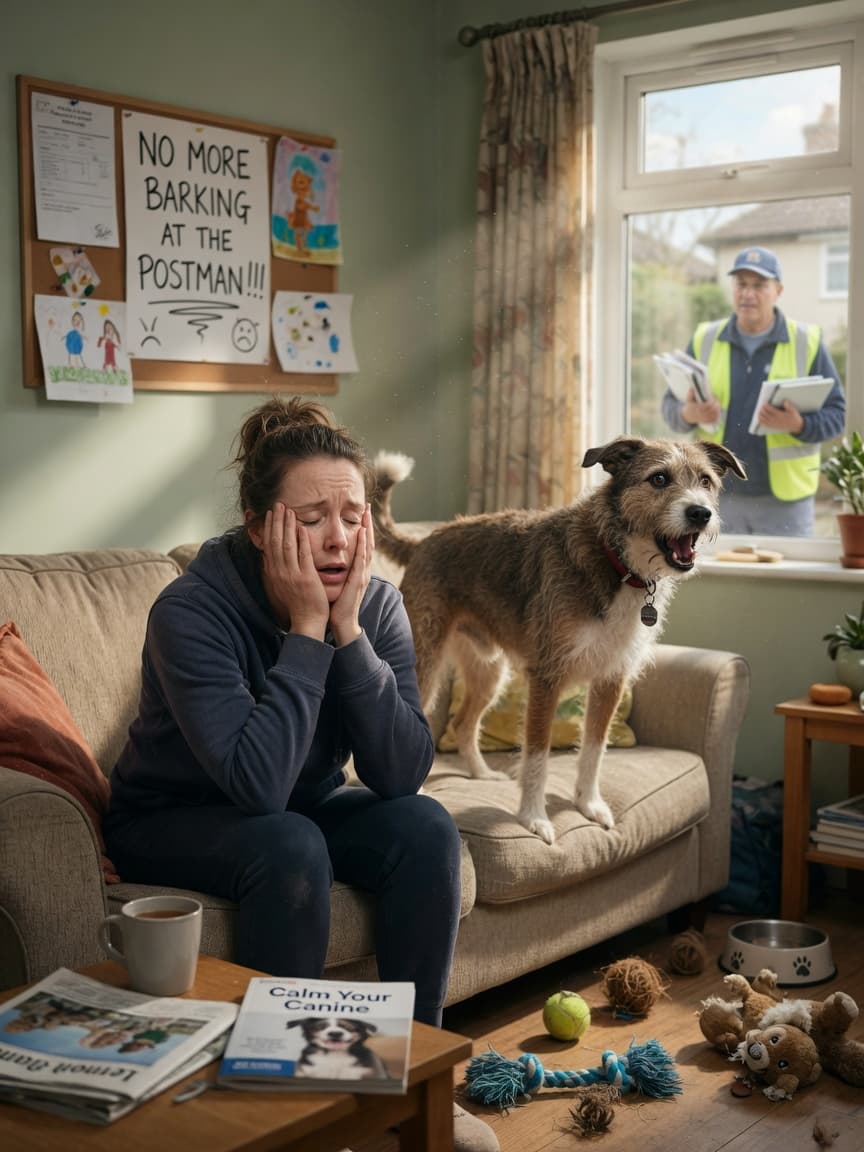
Excessive barking is one of the most common behavioural challenges pet owners face, and it can be incredibly frustrating—particularly in flats or close-knit neighbourhoods. Whether your dog barks at every passing car, reacts to the postman, or seems determined to alert you to invisible threats, understanding the root cause is essential. The good news? With patience, consistency, and the right strategies, you can significantly reduce unwanted barking and help your dog become a calmer, happier companion.
Understanding Why Your Dog Barks
Before tackling solutions, it's important to recognise that barking is a completely natural canine behaviour. Dogs bark to communicate, alert, play, or express anxiety. The key is distinguishing between normal, healthy barking and excessive barking that signals an underlying issue.
Common causes include:
- Anxiety or fear responses
- Seeking attention or play
- Territorial behaviour
- Insufficient physical exercise or mental stimulation
- Medical issues (pain, hearing loss, cognitive decline)
- Learned behaviour reinforced by previous attention
Increase Physical Exercise and Mental Enrichment

A frequently overlooked solution is simply ensuring your dog gets enough activity. Dogs with pent-up energy are far more likely to bark excessively. Aim for at least 30-60 minutes of exercise daily, depending on your dog's age and breed.
Beyond walks, incorporate:
- Interactive play sessions with toys
- Puzzle feeders and sniff games
- Swimming or running (if appropriate for your dog's health)
- Training sessions that engage their mind
Mental stimulation is equally important. A tired mind and body mean fewer resources devoted to unnecessary barking.
Use Desensitisation and Counterconditioning

If your dog barks at specific triggers—the doorbell, traffic, other dogs—these techniques work remarkably well. Desensitisation involves gradually exposing your dog to the trigger at low levels whilst they remain calm. Counterconditioning changes their emotional response by pairing the trigger with something positive, like treats.
For example, if your dog barks at the doorbell:
- Have a friend ring it gently whilst you immediately offer high-value treats
- Gradually increase the volume and intensity over weeks
- Reward calm behaviour consistently
This rewires your dog's brain to associate the trigger with good things rather than alarm.
Never Reward Barking Behaviour
This might seem obvious, but it's crucial: never give your dog attention—positive or negative—for barking. This includes shouting, telling them to "shush," or even looking at them. Any attention reinforces the behaviour. Instead, wait for a quiet moment and reward that silence with praise, treats, or play.
Additionally, ensure family members follow the same approach. Inconsistency undermines training efforts.
Create a Safe, Calm Environment
Environmental modifications can prevent excessive barking before it starts. Close curtains to reduce visual triggers, use background noise (such as calming music or white noise), and establish a designated calm space where your dog can retreat. Some dogs benefit from crate training when it's associated with safety and quiet time.
Consult Your Vet
If barking develops suddenly or increases dramatically, consult your veterinarian to rule out medical issues like pain, thyroid problems, or cognitive dysfunction. For anxiety-related barking, your vet may recommend professional behaviourist support or, in some cases, appropriate medication whilst you work on training.
Key Takeaways
Stopping excessive barking requires identifying the underlying cause, combining physical exercise with mental enrichment, and using proven training techniques like desensitisation and counterconditioning. Most importantly, consistency across all family members and patience are essential. Behavioural change takes time—typically several weeks to months—but with dedication, you'll help your dog become the calm, well-adjusted companion you both deserve.