
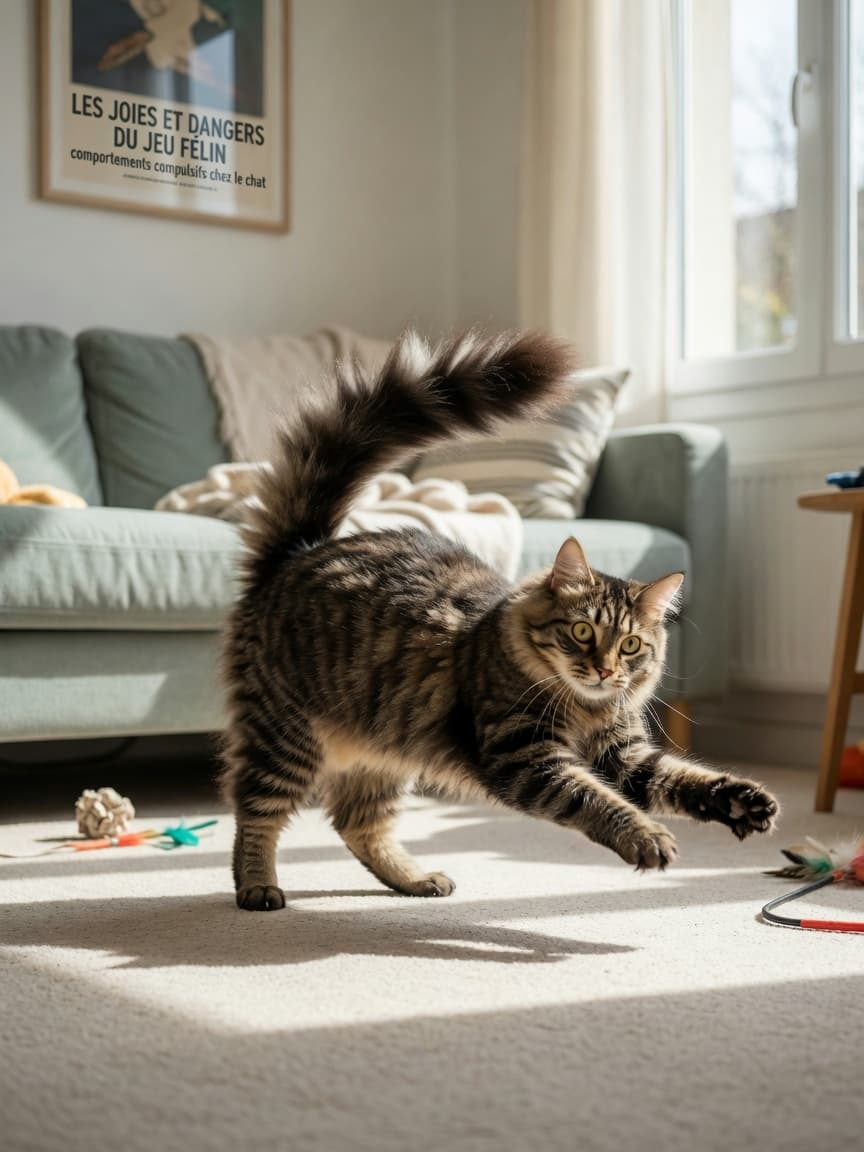
If you've noticed your cat pouncing on, chewing, or obsessively attacking its own tail, you're not alone. Many cat owners witness this peculiar behaviour, and whilst it can seem amusing, it often signals an underlying issue that requires attention. Tail attacking can range from playful kitten behaviour to a sign of pain, parasites, or psychological distress. Understanding the root cause is essential to helping your feline friend and preventing potential injury or infection.
Common Causes of Tail Attacking in Cats
Before addressing solutions, it's important to identify why your cat is attacking its tail. The reasons vary widely, and the appropriate response depends on the underlying cause.
- Parasites: Fleas, mites, and other parasites are among the most common culprits. Even a single flea can trigger intense itching, leading to obsessive tail biting and chewing.
- Skin conditions: Allergies, dermatitis, and fungal infections like ringworm cause irritation and discomfort that cats address by attacking the affected area.
- Pain or injury: Nerve damage, arthritis, or previous trauma to the tail can cause persistent discomfort or phantom sensations.
- Behavioural and psychological issues: Stress, anxiety, boredom, and overgrooming disorder (feline psychogenic alopecia) can manifest as tail attacking.
- Playfulness: Young kittens often pounce on their tails as part of normal play and hunting practice. This behaviour typically diminishes with age.
When to Visit Your Veterinarian
If your cat's tail attacking is frequent, intense, or accompanied by hair loss, open wounds, or changes in behaviour, schedule a veterinary appointment promptly. Your vet can examine your cat for parasites, skin conditions, and neurological issues. Bring notes about when the behaviour started, how often it occurs, and any other symptoms you've noticed.
Addressing Parasites and Medical Issues
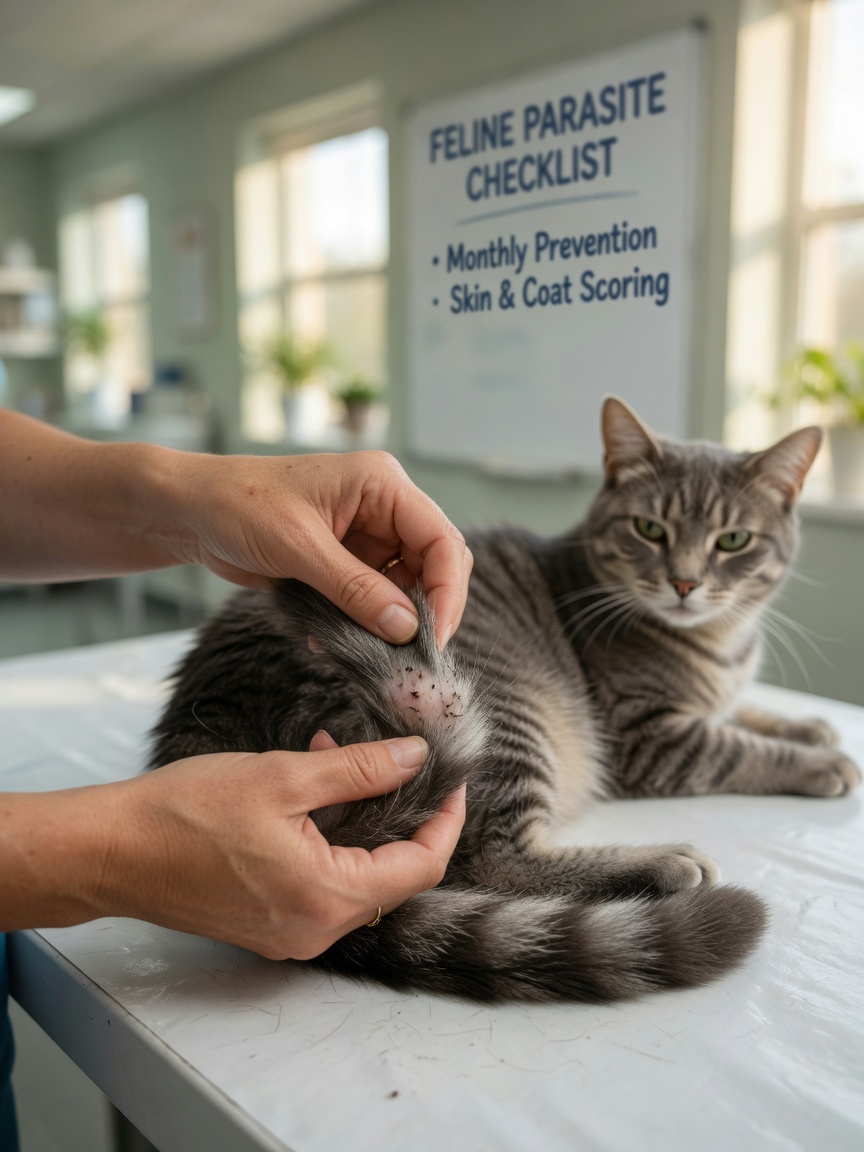
If parasites are identified, your vet will recommend appropriate treatment. Modern parasite preventatives are highly effective and come in various forms, including spot-on treatments, tablets, and collars. Ensure your cat is on a year-round parasite prevention programme, as recommended by your veterinarian.
For skin conditions, treatment might include antifungal medications, antibiotics, or medicated shampoos. Some allergies respond well to dietary changes or supplements like omega-3 fatty acids, which support skin health.
Behavioural Solutions and Environmental Enrichment

If medical causes are ruled out, focus on environmental and behavioural modifications:
- Increase interactive play: Engage your cat with toy mice, feather wands, or laser pointers for 15-30 minutes daily. This redirects predatory instincts away from the tail.
- Provide mental stimulation: Puzzle feeders, window perches, and rotating toys prevent boredom and reduce stress-related behaviours.
- Create a calm environment: Ensure your cat has quiet spaces, hiding spots, and consistent routines to minimise anxiety.
- Use calming aids: Synthetic pheromone diffusers or treats containing L-theanine may help anxious cats relax.
- Avoid punishment: Never scold or punish tail attacking, as this increases stress and worsens the behaviour.
Managing Overgrooming and Compulsive Behaviour
If your cat compulsively attacks its tail despite medical treatment, it may have feline psychogenic alopecia. This stress-related condition benefits from anxiety management, environmental enrichment, and sometimes medication prescribed by your veterinarian. Behaviourists can provide tailored strategies for severe cases.
Key Takeaways
Tail attacking in cats warrants investigation to rule out parasites, skin conditions, and pain. Once medical issues are addressed, enrichment and stress reduction are crucial. Be patient—behavioural changes take time. With consistent effort and professional guidance, most cats stop attacking their tails and return to happy, healthy behaviour.