
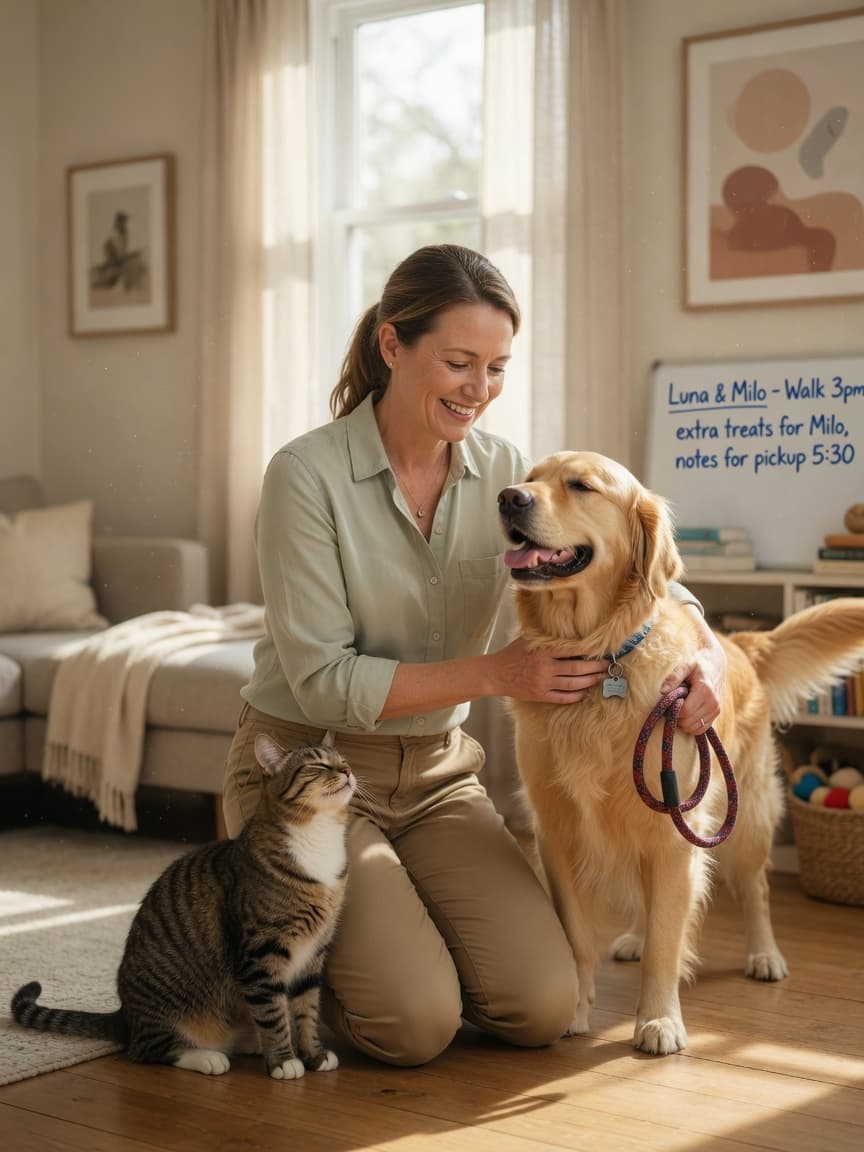
Starting a pet-sitting business is an excellent opportunity for animal lovers who want flexibility, independence, and the satisfaction of caring for beloved companions. Whether you're looking for a full-time career or a side hustle, the pet-care industry continues to grow as pet owners increasingly seek professional, trustworthy support. This comprehensive guide walks you through 11 essential steps to launch your pet-sitting business successfully in 2026.
1. Assess Your Skills and Experience
Before investing time and money, honestly evaluate your pet-handling experience. Do you have hands-on experience with dogs, cats, or other animals? Have you successfully cared for pets in various situations—anxious animals, senior pets, or those with medical needs? Strong foundational knowledge is essential for building a reputable business.
2. Research Your Local Market
Investigate your neighbourhood and surrounding areas to understand demand and competition. Survey existing pet-sitting services, their pricing, and customer reviews. Visit local veterinary clinics, pet shops, and parks to gauge pet-owner density and identify your ideal client base.
3. Obtain Necessary Certifications and Training

Consider obtaining formal qualifications to build credibility and enhance your skills:
- Pet First Aid and CPR certification
- Animal behaviour courses
- Pet nutrition basics
- Small animal handling certifications
These qualifications demonstrate professionalism and give clients confidence in your abilities.
4. Create a Business Plan
Develop a clear business plan outlining your services, target market, pricing structure, and financial projections. Include startup costs (insurance, marketing, supplies), expected monthly expenses, and revenue goals. A solid plan helps you stay organised and attracts potential investors if needed.
5. Register Your Business Legally
Choose an appropriate business structure (sole trader, limited company, or partnership) and register with relevant authorities. Consult an accountant regarding tax obligations and record-keeping requirements specific to your region.
6. Secure Comprehensive Insurance
Pet-sitting insurance is non-negotiable. This protects you against liability claims if a pet is injured under your care or damage occurs to a client's property. Public liability insurance typically costs £200-500 annually, depending on coverage.
7. Develop Your Service Offerings
Decide what services you'll provide and set competitive rates:
- Daily dog walking (typically £8-15 per 30-minute walk)
- Pet sitting at clients' homes (£10-20 per visit)
- Overnight pet sitting (£30-60 per night)
- Specialist services (elderly pet care, medication administration)
8. Build Your Brand and Online Presence

Create a professional website and establish social media profiles. Showcase your personality, experience, and client testimonials. High-quality photos of happy pets in your care build trust. Invest in professional branding, including a logo and business cards.
9. Establish Booking and Payment Systems
Implement a reliable scheduling system using platforms designed for service businesses. Offer multiple payment options—bank transfer, card payment, or digital wallets—to streamline transactions and maintain professional records.
10. Create Clear Policies and Contracts
Develop comprehensive terms covering cancellation policies, payment terms, emergency protocols, and liability limitations. A written agreement protects both you and your clients. Include detailed questionnaires about each pet's health, behaviour, and special requirements.
11. Launch and Market Your Business
Begin with a soft launch to friends, family, and local networks. Offer introductory rates to gather testimonials. Utilise word-of-mouth marketing, local community groups, and partnerships with veterinary clinics and groomers.
Key Takeaways
Starting a pet-sitting business requires genuine passion for animals, professional credentials, proper insurance, and strategic planning. Focus on building trust through reliability, clear communication, and exceptional care. Begin small, gather positive reviews, and scale gradually as your reputation grows. Success in this industry depends on treating every pet as though it were your own.