
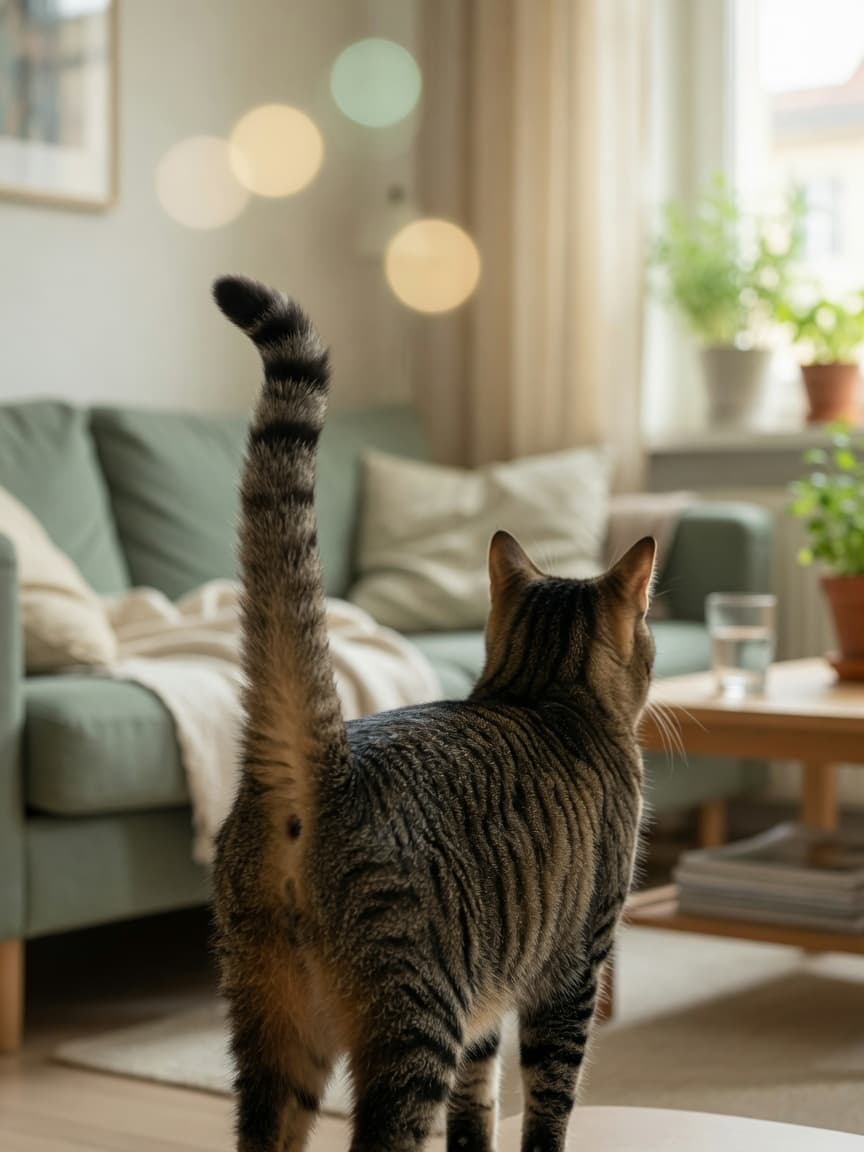
Your cat's tail is far more than just a balance aid—it's one of the most expressive parts of their body and a crucial communication tool. Whether your feline friend is thrilled to see you, feeling anxious, or plotting mischief, their tail tells a detailed story if you know how to read it. Understanding these signals strengthens your bond and helps you respond appropriately to your cat's emotional needs. Let's explore what your cat's tail is really saying.
The Upright Tail: Confidence and Affection
When your cat holds their tail straight up with a slight curve at the tip—often described as a question mark shape—they're displaying confidence and friendliness. This is typically a positive signal indicating your cat is feeling secure and approaching you with affection.
- Straight-up tail with hooked tip: Your cat is greeting you warmly and feeling sociable
- Fully vertical tail: Displays confidence and contentment, often seen when exploring their territory
- Tail vibrating whilst upright: Your cat is particularly delighted or excited about something
Cats that greet their owners with an upright tail are showing genuine affection. This is when many cats are most receptive to petting and interaction.
The Puffed-Up Tail: Fear and Defence
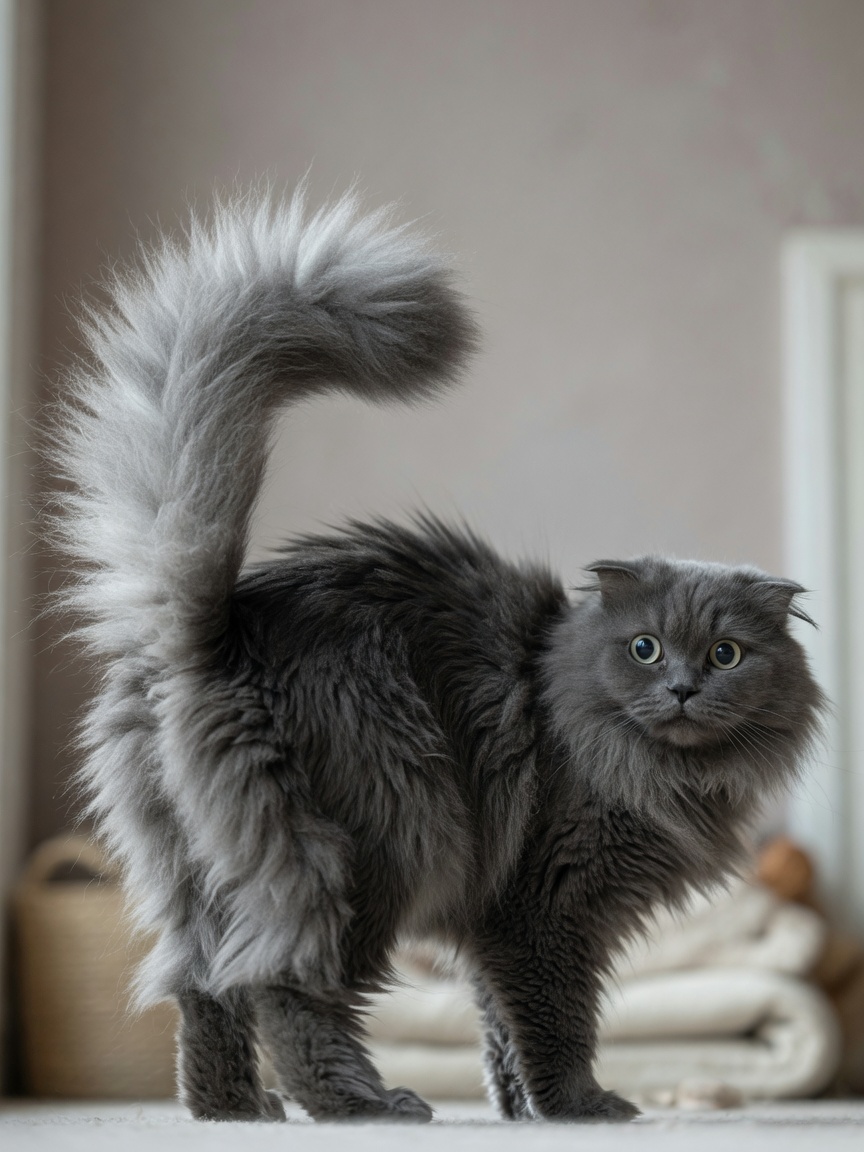
One of the most recognisable tail positions is the puffed-up, bottle-brush appearance. This dramatic display serves a specific purpose: making your cat appear larger and more intimidating to potential threats.
A puffed tail typically signals fear, anger, or defensive aggression. Your cat may display this when startled, encountering an unfamiliar animal, or feeling threatened. During these moments, it's best to give your cat space and allow them to calm down. Avoid forcing interaction, as your cat may react defensively.
The Slow Tail Swish: Concentration and Frustration
A slowly swishing or swaying tail indicates your cat is focused and engaged, much like a hunter tracking prey. You'll often see this behaviour when your cat is watching birds through a window or stalking a toy.
However, context matters significantly. A slow, deliberate tail swish combined with flattened ears or a twitching tip can signal irritation or building frustration. If your cat displays this whilst you're petting them, they may be signalling that they've had enough interaction and would prefer you to stop.
The Tucked Tail: Anxiety and Submission
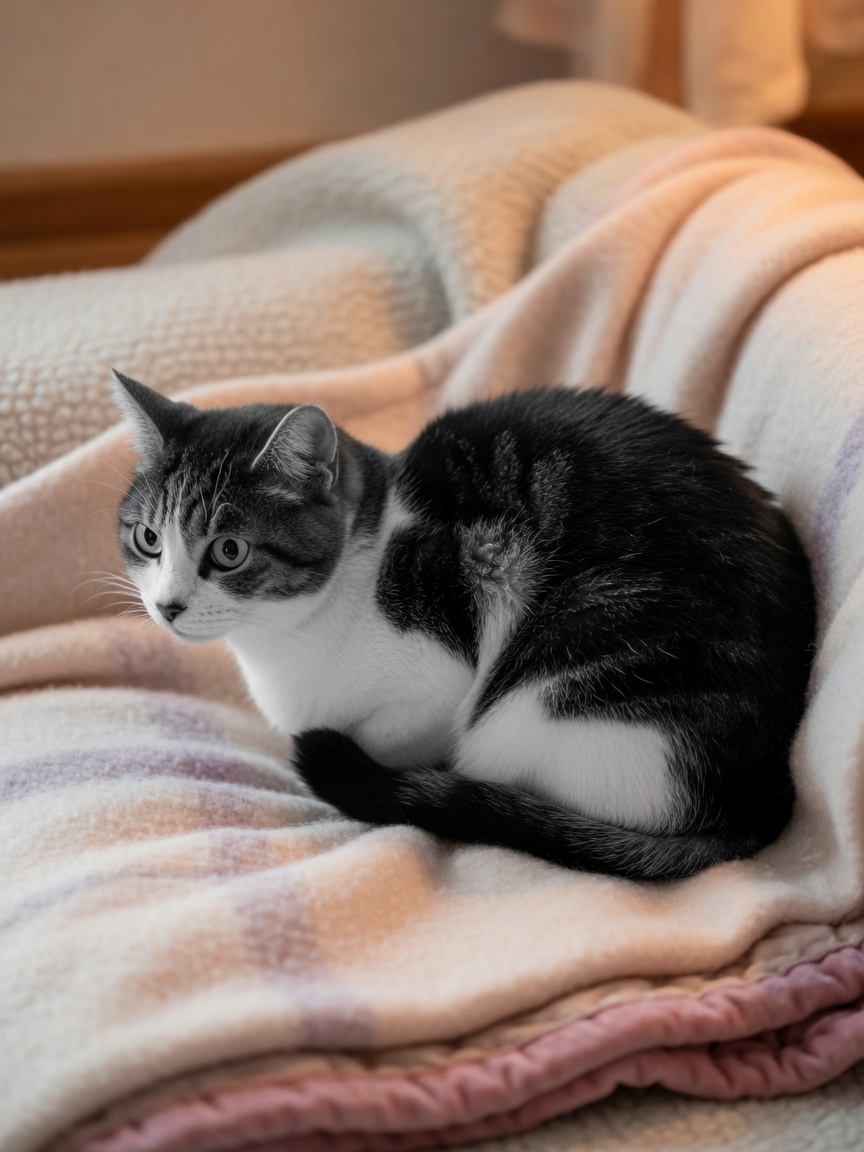
When your cat tucks their tail between their hind legs or wraps it tightly around their body, they're expressing fear, submission, or extreme anxiety. This position makes cats appear smaller and less threatening—a defensive posture that indicates they're feeling vulnerable.
Common triggers for tail-tucking include loud noises, visits to the veterinary surgery, or encountering situations your cat finds stressful. During these times, provide a safe, quiet space where your cat can retreat and feel secure.
The Thrashing or Rapid Tail: Agitation and Play
A rapidly thumping or thrashing tail signals heightened emotional states. During playful moods, this behaviour indicates excitement and engagement with toys or games. However, rapid tail movements combined with dilated pupils, flattened ears, or a crouched posture suggest agitation or impending aggression.
The key distinction is reading your cat's overall body language alongside the tail movement. A playful cat will have relaxed ears and an engaged expression, whilst an agitated cat may display tension throughout their body.
Key Takeaways for Understanding Your Cat's Tail
Reading your cat's tail language requires observing the full context of their body language, including ear position, pupil dilation, and overall posture. Here's a quick reference guide:
- Upright tail = confidence and affection
- Puffed tail = fear or defensive behaviour
- Slow swish = concentration, but watch for signs of frustration
- Tucked tail = anxiety and fear
- Rapid thrashing = excitement or agitation depending on context
By paying attention to these signals, you'll develop a deeper understanding of your cat's emotional state and needs, creating a more harmonious and trusting relationship. Your cat is always communicating—you simply need to know how to listen with your eyes.