
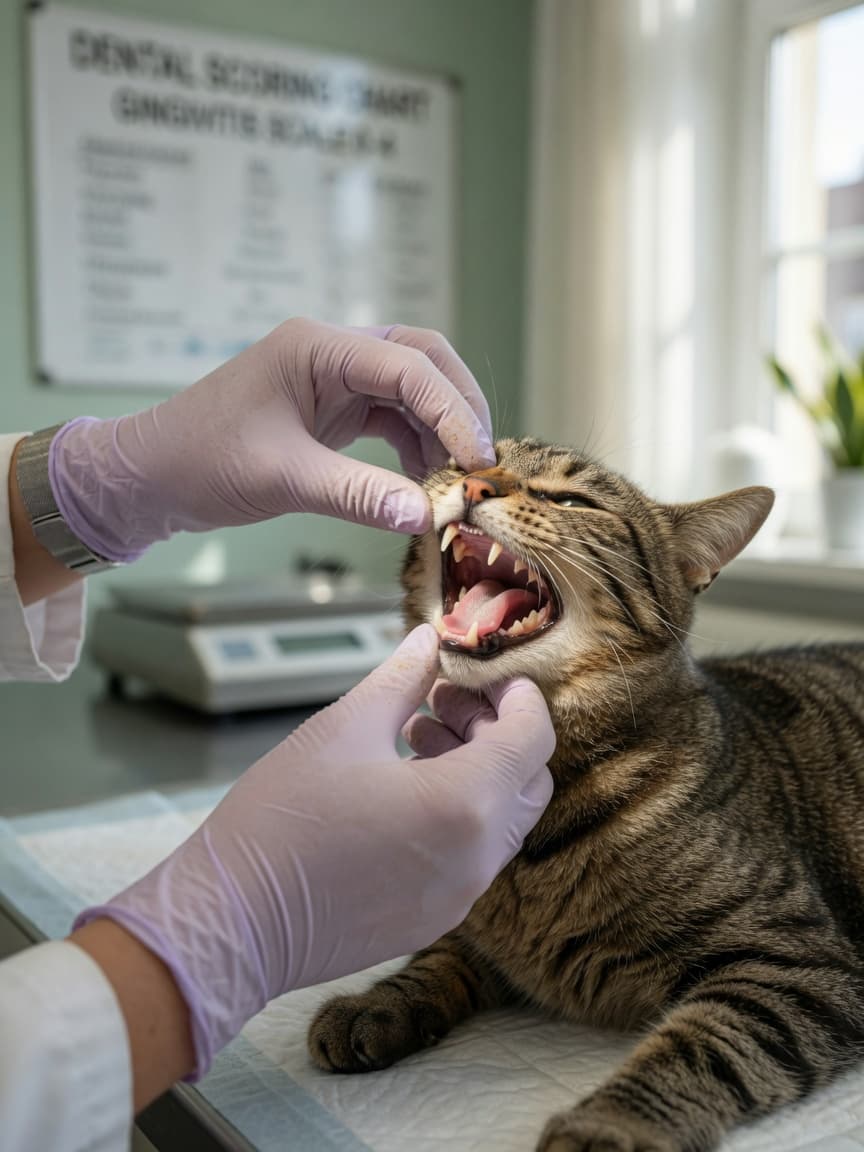
Your cat's oral health is far more important than you might think. Dental disease affects approximately 90% of cats over the age of four, yet many pet owners overlook this critical aspect of feline wellbeing. Regular home examinations can help you catch problems early, prevent painful infections, and avoid expensive veterinary treatments. Whether your cat is a kitten or a senior companion, learning to inspect their teeth and gums properly is one of the most valuable skills you can develop as a pet owner.
Why Dental Health Matters for Cats
Cats are notorious for hiding discomfort, which means dental problems often go unnoticed until they become severe. Poor oral hygiene can lead to plaque buildup, tartar accumulation, and ultimately periodontal disease. This isn't merely a cosmetic issue—untreated dental disease can cause infections that spread to vital organs including the heart, kidneys, and liver. By conducting regular home examinations, you become your cat's first line of defence against these potentially serious complications.
Getting Your Cat Ready for an Examination
Before you attempt to examine your cat's teeth, preparation is essential. Choose a time when your cat is relaxed and calm—perhaps after a meal or during their quieter afternoon hours. Set up in a well-lit area, ideally near a window for natural light. A small torch or head lamp can be invaluable for seeing into the back of the mouth.
It's crucial to approach your cat gently and build positive associations with the process. Start by handling their face and mouth regularly, even outside of examination sessions. Allow them to become accustomed to your fingers near their lips and cheeks. Reward calm behaviour with treats and praise. If your cat is particularly anxious, never force an examination—a stressed cat may injure themselves or you.
Step-by-Step Examination Guide
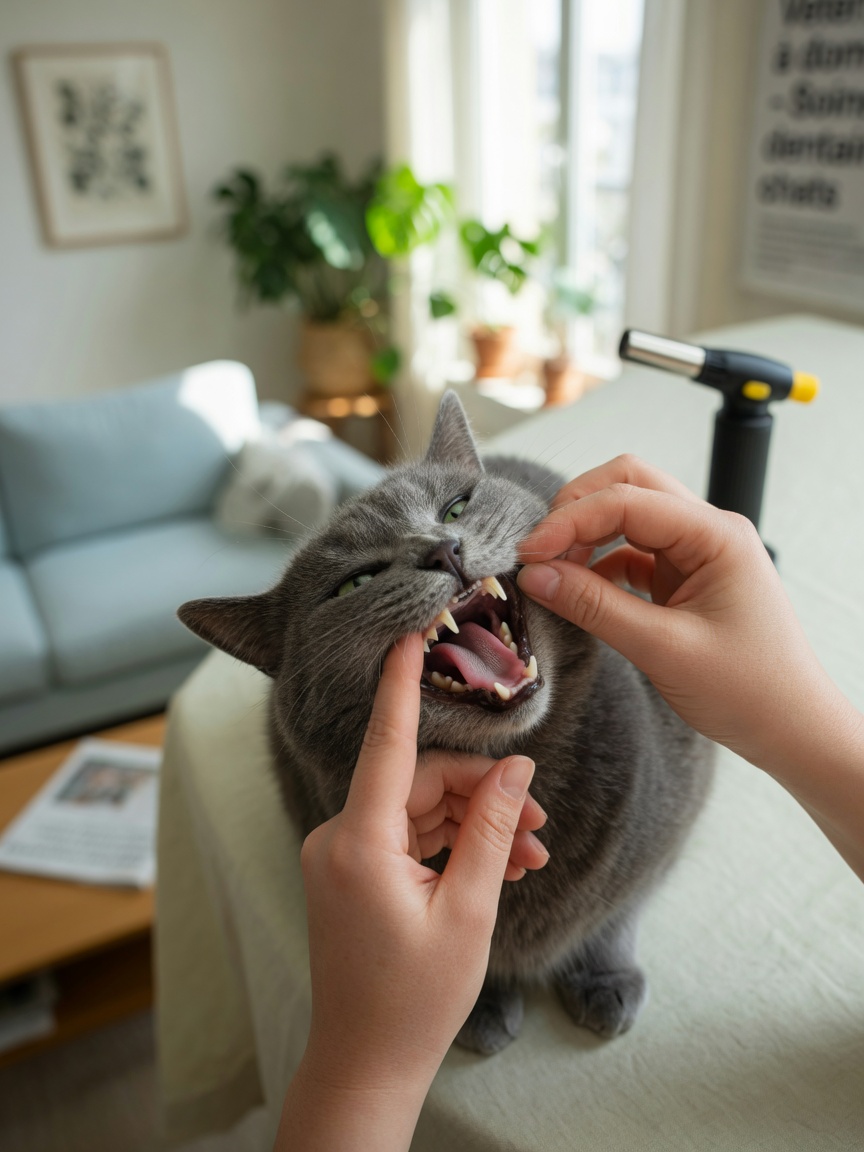
- Begin with the outside: Gently feel along your cat's jaw and cheeks. There should be no lumps, swellings, or tender areas. Check for any unusual discharge or odour around the mouth.
- Lift the lips carefully: Using your thumb and forefinger, gently lift your cat's upper lip to expose the teeth and gums. Take your time and work slowly.
- Inspect the visible surfaces: Look at the outer surfaces of all visible teeth. Healthy teeth should be white or slightly off-white with no visible brown or yellow discolouration.
- Examine the gums: Healthy gums should be pink and firm, not red, swollen, or bleeding. Gently run your finger along the gum line to check for any unusual texture or recession.
- Check for plaque and tartar: Plaque appears as a soft, pale coating, whilst tartar is a hard, yellow-brown substance. Both require professional removal if present.
- Look at the back teeth: With practice, you can gently open your cat's mouth slightly to visualise the back molars. This area is particularly prone to disease.
What to Look For: Warning Signs
During your examination, watch for these concerning signs that warrant a veterinary visit:
- Red, swollen, or bleeding gums
- Visible plaque or tartar buildup
- Loose or missing teeth
- Pus or discharge from the gum line
- Persistent bad breath (beyond normal cat odour)
- Difficulty eating or dropping food
- Excessive drooling
- Behavioural changes such as reduced appetite or lethargy
Establishing a Regular Routine
Ideally, examine your cat's teeth weekly. This frequency helps you notice changes quickly and keeps your cat accustomed to the process. Keep simple notes about what you observe—changes become easier to spot when you have a record. Most cats benefit from professional veterinary dental cleaning at least once yearly, particularly as they age.
Key Takeaways
Regular home dental examinations are a cornerstone of responsible cat ownership. By developing a gentle, consistent routine and knowing what healthy teeth and gums look like, you'll be equipped to identify problems early. Remember that home care complements—but doesn't replace—professional veterinary dental care. Work closely with your vet to create a comprehensive oral health plan tailored to your cat's individual needs. Your attentiveness today can mean years of comfortable, pain-free eating and a healthier, happier companion.
```