
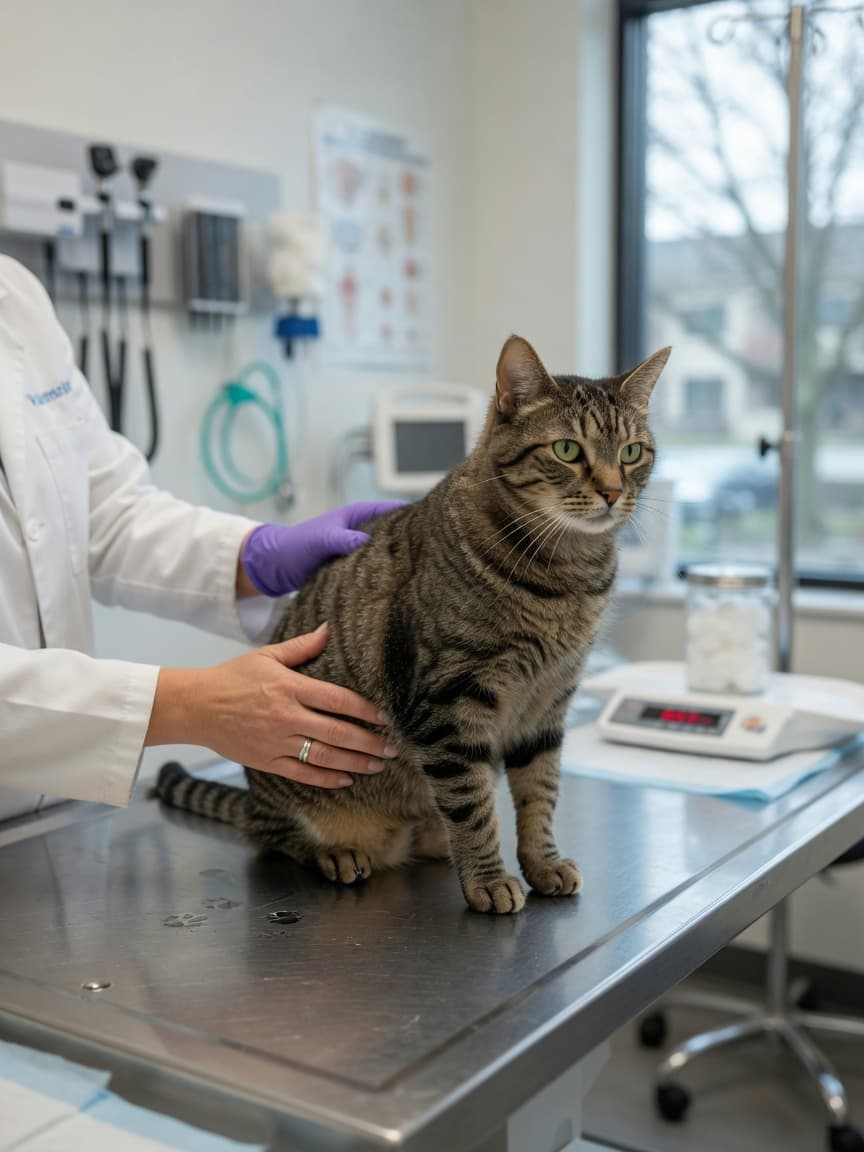
Annual veterinary examinations are one of the most important health investments you can make for your cat. Yet many cat owners dread the experience, and their anxious energy often transfers to their feline companions, making the visit stressful for everyone involved. With thoughtful preparation, you can transform your cat's annual check-up from a source of anxiety into a manageable—even positive—experience. This guide will walk you through practical steps to ensure both you and your cat arrive at the surgery calm, organised, and ready for a productive consultation.
Start with Microchip and Vaccination Records
Before your appointment, gather all essential documentation. Locate your cat's microchip number, vaccination certificates, and any previous medical records from your veterinary practice. If your cat has changed surgeries, request records from the previous veterinarian. Having this information to hand helps your vet provide continuity of care and identify any patterns in your cat's health history. Check that your microchip details are current with your local authority—this becomes crucial if your cat ever goes missing.
Observe and Document Health Changes
In the weeks before the appointment, keep a brief mental note of any changes in your cat's behaviour, appetite, or litter habits. Your vet will appreciate specific observations. Consider noting:
- Changes in eating or drinking patterns
- Weight fluctuations you've noticed
- Alterations in toilet habits
- Energy levels and mobility concerns
- Coat condition or skin issues
- Any unusual behaviours or personality changes
Written notes during the consultation help you remember details you might otherwise forget under appointment pressure.
Create a Calm Pre-Appointment Routine
Cats are sensitive to our emotional states and changes in routine. A few days before the appointment, begin acclimating your cat to the carrier by leaving it open in your home. Place a favourite blanket or toy inside to create positive associations. On the morning of the visit, keep your own energy calm and matter-of-fact. Cats pick up on nervous tension, so maintaining a relaxed demeanor helps significantly. Consider using feline pheromone sprays (such as Feliway) in the carrier about 15 minutes before departure to reduce stress.
Prepare a Comprehensive Health History
Your vet benefits from understanding your cat's complete lifestyle. Prepare information about:
- Current diet and feeding schedule
- Any medications or supplements your cat takes
- Indoor or outdoor status
- Recent travel or exposure to other animals
- Any behavioural concerns you've observed
- Questions or health worries you'd like to discuss
Having this ready means you won't waste appointment time remembering details, and your vet can focus on thorough examination.
Practical Logistics and Timing
Arrange your appointment during your cat's calmer periods if possible—typically mid-morning or early afternoon works better than when cats are most active. Transport your cat in a secure carrier rather than loose in the car, for both safety and stress reduction. Arrive a few minutes early to acclimate your cat to the surgery environment. If your cat becomes particularly anxious during vet visits, discuss this with your surgery beforehand; some practices can accommodate anxious cats with quieter appointment slots or additional handling time.
Key Takeaways for Successful Vet Visits
Preparing for your cat's annual exam needn't be complicated. Gather documentation, observe health changes, maintain calm energy, and arrive organised with a list of questions. These simple steps transform the experience into a positive healthcare opportunity. Remember, annual examinations catch potential health issues early, and your proactive preparation ensures your vet has all the information needed to provide the best possible care for your beloved feline companion.