ForPetsHealthcare
Dogs

How To Measure a Dog for a Harness: Simple & Precise Measurement

By Julia WrenfieldUpdated August 4, 20264 min read
Evidence-based · Sources checked
{"en": "Golden retriever wearing properly fitted harness, demonstrating correct chest and shoulder fit for comfortable walking", "es": "Golden retriever usando arn\u00e9s ajustado correctamente, demostrando el ajuste adecuado en pecho y hombros", "fr": "Golden retriever portant un harnais bien ajust\u00e9, montrant le positionnement correct sur la poitrine et les \u00e9paules", "de": "Golden Retriever mit korrekt sitzendem Geschirr, demonstriert passende Anpassung an Brust und Schultern", "nl": "Golden retriever met correct passende tuigje, toont juiste pasvorming rond borst en schouders", "pt": "Golden retriever usando arn\u00eas bem ajustado, demonstrando o encaixe correto no peito e ombros", "it": "Golden retriever che indossa un'imbracatura ben regolata, mostra il corretto posizionamento su petto e spalle"}

Finding the right harness for your dog can be transformative for both of you. A properly fitted harness distributes pressure evenly across your dog's chest and shoulders, reduces strain on the neck, and gives you better control during walks. Yet many pet owners struggle with sizing, leading to uncomfortable or ineffective harnesses. Whether you're fitting your first harness or upgrading to a new one, accurate measurements ensure your dog stays safe, comfortable, and secure.

Why Proper Harness Fit Matters

An ill-fitting harness can cause discomfort, chafing, and even behavioural issues. A harness that's too loose may slip off over your dog's head or body, whilst one that's too tight can restrict breathing and movement. A well-fitted harness should allow you to fit one or two fingers comfortably between the harness and your dog's body. This balance provides security without compromising comfort or circulation.

Proper fit is especially important for puppies, senior dogs, and breeds prone to respiratory issues, such as Bulldogs and Pugs.

Tools You'll Need

Measuring your dog doesn't require expensive equipment. Gather these simple items:

  • A soft measuring tape (fabric tailor's tape works best)
  • A notebook or phone to record measurements
  • Treats to keep your dog calm and cooperative
  • A helper (optional but useful for wriggling puppies)

Step-by-Step Measurement Guide
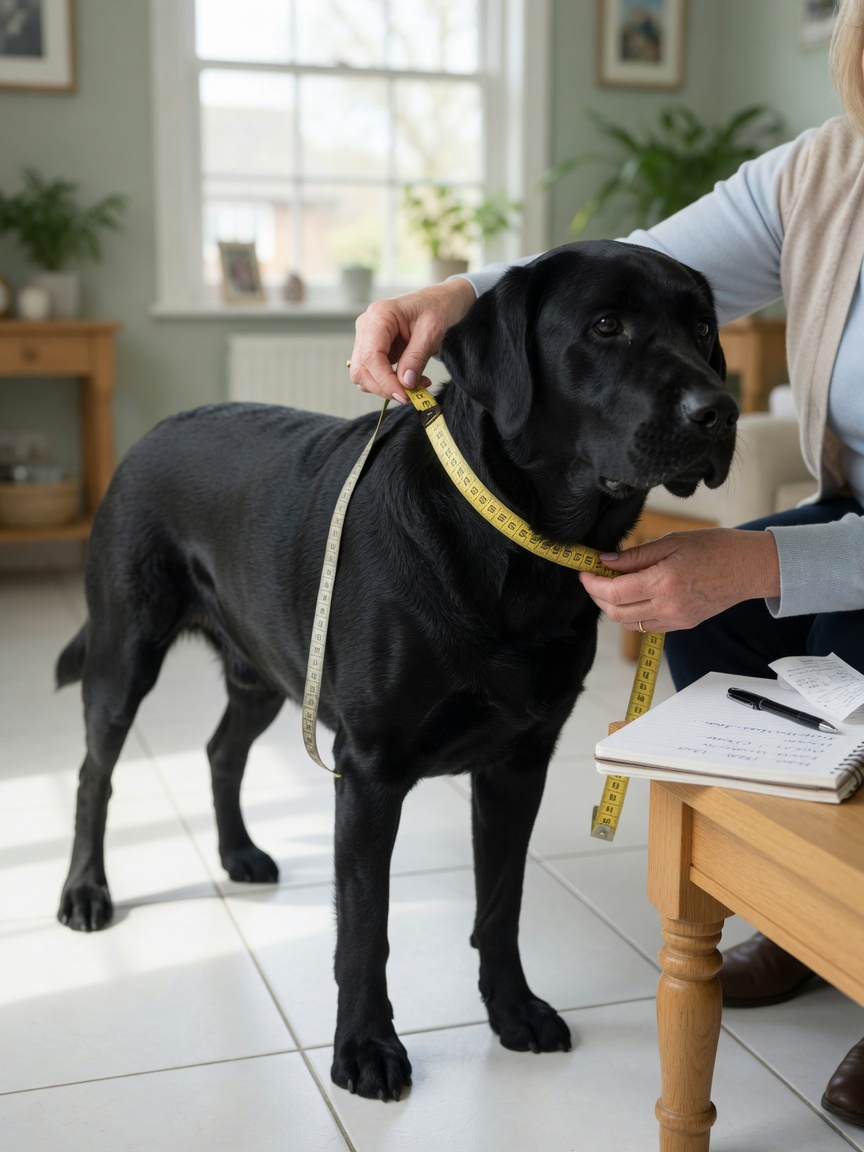
Owner measuring a dog's neck with a soft measuring tape for harness sizing

Chest Measurement

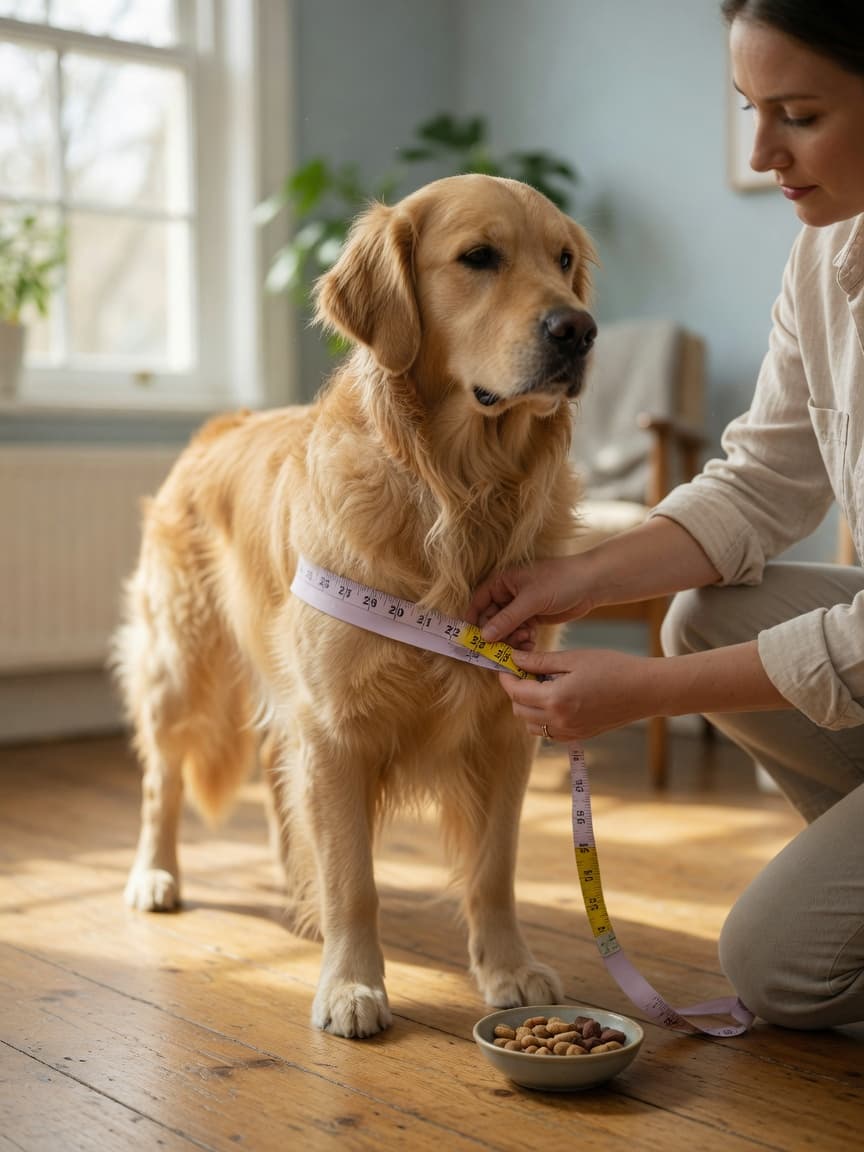
This is your most important measurement. Have your dog stand naturally with all four paws on the ground. Wrap the measuring tape around the widest part of your dog's chest, just behind the front legs. Keep the tape snug but not tight—you should be able to slide your finger underneath. Record this measurement in centimetres.

Neck Measurement

Measure around your dog's neck where a collar would naturally sit, just above the shoulder blades. Again, ensure the tape is snug without restricting movement. This measurement helps determine the upper size range for harnesses that include neck straps.

Length Measurement

For back-clip and front-clip harnesses, you may also need the back length. Measure from the base of your dog's neck to the base of the tail. This ensures the harness sits correctly along the spine without excessive fabric bunching.

Recording Your Measurements

  1. Write down all three measurements clearly
  2. Note your dog's breed and age
  3. Take a photo of your notes for future reference
  4. Keep measurements handy when shopping online or visiting pet retailers

Understanding Harness Sizing Charts

Most harness manufacturers provide sizing charts correlating measurements to small, medium, large, and extra-large sizes. Always reference the specific brand's chart, as sizing varies considerably between manufacturers. A medium harness from one company might not fit the same as a medium from another.

If your dog's measurements fall between two sizes, consider your dog's behaviour. Active pullers may benefit from the larger size for added security, whilst calmer dogs might prefer the snugger fit of the smaller size.

Final Tips for Perfect Fit

  • Measure your dog when calm and relaxed—not during playtime or excitement
  • Re-measure growing puppies every 4-6 weeks
  • Check fit regularly as adult dogs' weight can fluctuate seasonally
  • Always test the harness before taking your dog on a long walk
  • Consider your dog's coat thickness; thick-coated breeds may need slightly roomier harnesses

Key Takeaways

Taking accurate measurements is the foundation of finding a comfortable, secure harness for your dog. With just a soft measuring tape and a few minutes of your time, you can ensure your canine companion enjoys walks in comfort and safety. Remember, a well-fitted harness is an investment in your dog's wellbeing and your peace of mind during outdoor adventures.

#how to measure a dog for a harness simple precise measurement#dog health#dog nutrition#forpetshealthcare

Sources & further reading

This article is based on peer-reviewed veterinary research and reputable animal-health sources. Explore the underlying science in our Research Library.

Related articles

The 19 Best Animal Shelters in the Netherlands (2026)

the Netherlands's animal shelters, rescue associations and refuges save thousands of dogs, cats and other animals every year, almost always on tiny budgets and volunteer power. To build the most objective ranking possible, we analysed public Google reviews across more than 56 registered animal-prote…

Read more →

The 25 Best Animal Shelters in Italy (2026)

Italy's animal shelters, rescue associations and refuges save thousands of dogs, cats and other animals every year, almost always on tiny budgets and volunteer power. To build the most objective ranking possible, we analysed public Google reviews across more than 121 registered animal-protection org…

Read more →

The 48 Best Animal Shelters in Germany (2026)

Germany's animal shelters, rescue associations and refuges save thousands of dogs, cats and other animals every year, almost always on tiny budgets and volunteer power. To build the most objective ranking possible, we analysed public Google reviews across more than 152 registered animal-protection o…

Read more →

The 32 Best Animal Shelters in France (2026)

France's animal shelters, rescue associations and refuges save thousands of dogs, cats and other animals every year, almost always on tiny budgets and volunteer power. To build the most objective ranking possible, we analysed public Google reviews across more than 89 registered animal-protection org…

Read more →

The 8 Best Animal Shelters in Portugal (2026)

Portugal's animal shelters, rescue associations and municipal centros de recolha save thousands of dogs, cats and other animals every year, almost always on tiny budgets and volunteer power. To build the most objective ranking possible, we analysed public Google reviews across more than 86 registere…

Read more →

Sphynx Cat Skin care and hygiene: Causes, Signs & Care

Sphynx cats have little to no coat, which means the skin itself takes on jobs that fur normally does — insulation, oil dispersal, and barrier protection — leaving it prone to greasiness, blocked pores, fungal infections, and sunburn. The single most important thing to know is that a Sphynx's skin ne…

Read more →
Disclaimer:This article is for informational purposes only and does not constitute veterinary advice. Always consult a qualified veterinarian for your pet's health concerns.

Free newsletter

Pet health tips, straight to your inbox

Weekly science-backed advice for dog & cat owners. No spam, unsubscribe anytime.