
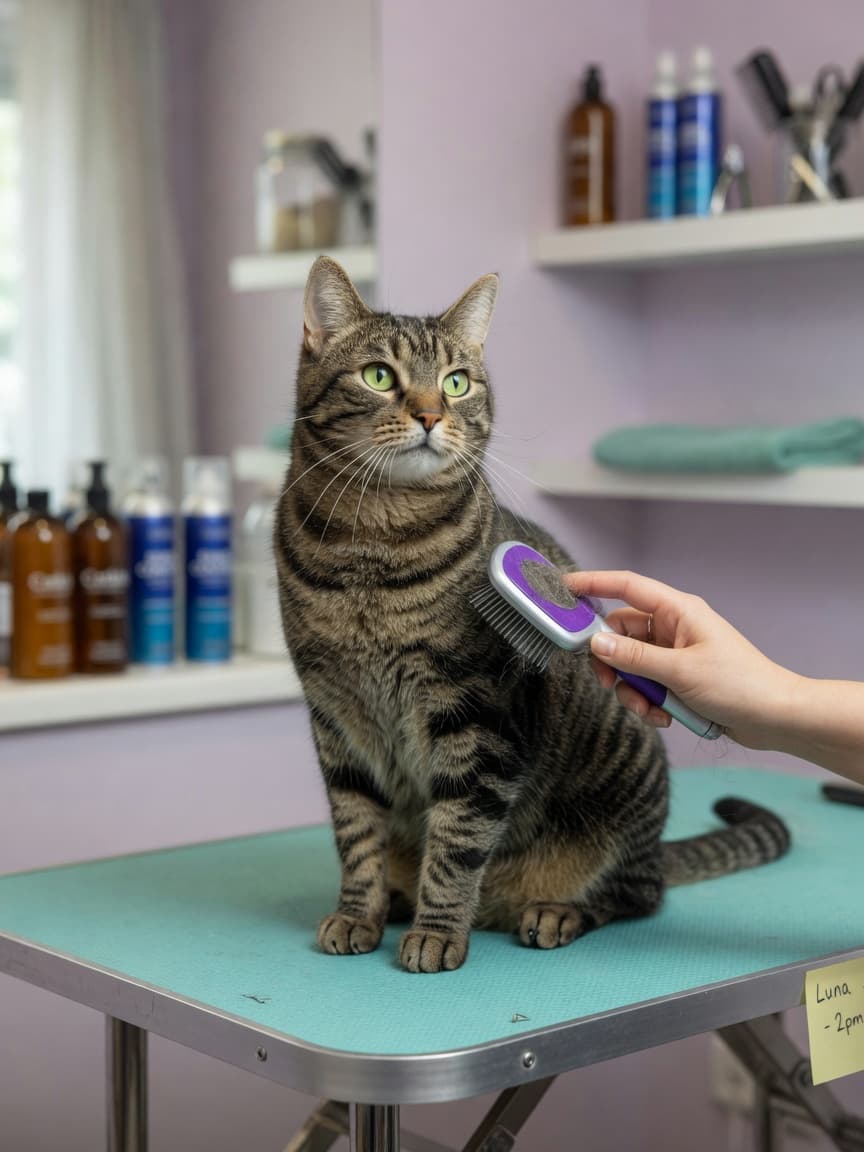
Cat grooming doesn't have to be a battle. Whether you're dealing with a long-haired Persian or a short-haired domestic shorthair, learning the right techniques and understanding your feline's body language can transform grooming from a scratchy ordeal into a bonding experience. With patience, proper preparation, and the correct approach, you can maintain your cat's coat whilst keeping both your skin and your relationship intact.
Understanding Why Cats Resist Grooming
Before you reach for the brush, it's worth understanding that cats aren't naturally resistant to grooming—rather, they're sensitive to how it's done. Cats have incredibly sensitive skin with nerve endings close to the surface, making aggressive or prolonged brushing uncomfortable. Additionally, cats are creatures of control; they prefer to groom themselves and may feel vulnerable when restrained. Recognising these factors helps you approach grooming with greater empathy and success.
Choosing the Right Tools
Using appropriate grooming tools makes an enormous difference. Invest in quality equipment designed specifically for your cat's coat type:
- Long-haired cats: Use a wide-toothed comb and a slicker brush to prevent matting without pulling at the skin
- Short-haired cats: A rubber grooming mitt or soft-bristled brush works beautifully and feels less intrusive
- Mats and tangles: A dematting tool or mat splitter prevents the need for aggressive pulling
- Nail clippers: Choose cat-specific guillotine or scissor-style clippers rather than dog versions
Poor-quality tools create pulling and discomfort, which is the fastest way to earn scratches and create negative associations with grooming.
Creating the Right Environment
Timing and setting are crucial. Groom your cat when they're naturally relaxed—many cats are calmer after a meal or during their quieter afternoon hours. Choose a comfortable, familiar location with minimal distractions. Ensure your cat can easily escape if needed; forcing them onto a table or into a corner increases stress and defensive behaviour. A non-slip mat provides security and prevents slipping, which can startle your cat.
Proper Grooming Technique
Technique matters enormously when preventing scratches:
- Start gently: Begin with light strokes in the direction of hair growth to acclimate your cat to touch
- Focus on pleasure zones: Most cats enjoy gentle brushing on their head, cheeks, and chin; avoid sensitive areas like the belly and paws initially
- Use short sessions: Five to ten minutes is often sufficient; it's better to groom frequently for short periods than have marathon sessions
- Watch for warning signs: Tail swishing, ear flattening, skin rippling, and attempts to move away indicate your cat has reached their limit
- Avoid restraint: Allow your cat to shift position naturally rather than holding them firmly in place
- Give breaks: Stop before your cat becomes frustrated and offer praise or treats
Handling Sensitive Areas
Paws, nails, and ear cleaning are particularly scratch-inducing. For nail trimming, gently press the paw pad to extend claws, trim only the clear or white portion, and never cut into the pink quick. For ear cleaning, use a cotton ball with a cat-safe solution and never insert implements into the ear canal. When your cat shows resistance to these tasks, it's perfectly acceptable to seek professional help from a veterinary clinic or groomer.
Key Takeaways
- Use the correct tools for your cat's coat type
- Groom during relaxed moments in calm environments
- Prioritise gentle technique over thorough coverage
- Learn to recognise stress signals and respect your cat's boundaries
- Keep sessions short and positive with regular breaks
- Don't hesitate to involve professionals for challenging tasks
Successful cat grooming is ultimately about respecting your feline companion's preferences whilst maintaining their wellbeing. With these strategies in place, you'll notice fewer scratches and more cooperation as your cat learns that grooming time is safe, predictable, and even enjoyable.