
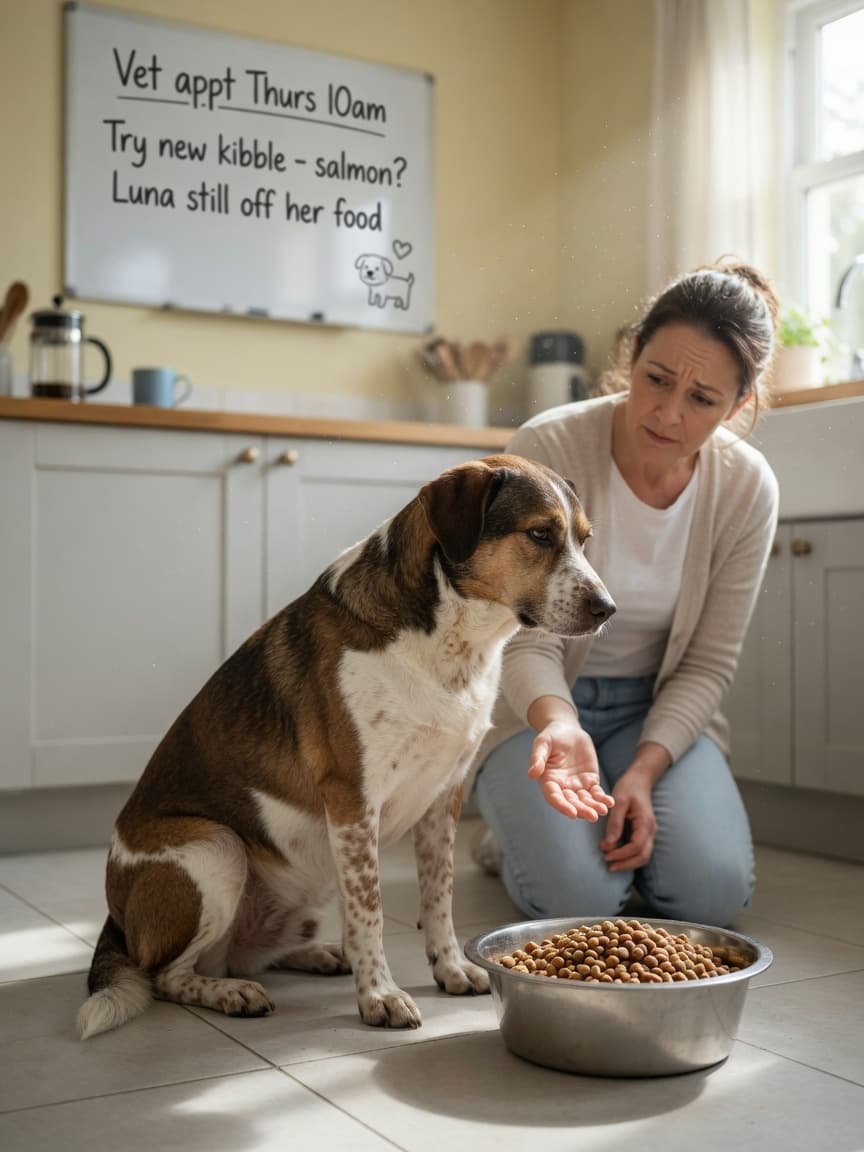
Is your beloved canine companion turning their nose up at mealtimes? You're not alone. Many dog owners struggle with picky eaters, and whilst it can be frustrating, understanding the underlying causes is the first step toward resolution. Whether your dog is a fussy eater due to boredom, medical issues, or simply a discriminating palate, our veterinary-backed strategies will help you encourage healthy eating habits and ensure your furry friend receives the nutrition they need.
Rule Out Medical Issues First
Before implementing any dietary changes, it's essential to consult your veterinarian. Loss of appetite or sudden pickiness can indicate underlying health problems such as dental disease, gastrointestinal issues, infections, or other medical conditions. A thorough health check will rule out these possibilities and give you peace of mind.
12 Evidence-Based Strategies for Picky Eaters
- Establish a consistent feeding routine. Dogs thrive on predictability. Offer meals at the same times each day, typically twice daily for adult dogs. Remove uneaten food after 15-20 minutes to reinforce the feeding schedule.
- Use appropriate portion sizes. Overfeeding or providing too many treats can reduce appetite. Calculate your dog's daily caloric needs based on age, weight, and activity level, and stick to measured portions.
- Warm the food slightly. Warming dry or tinned food to room temperature enhances its aroma, making it more appealing to dogs who rely heavily on scent when eating.
- Mix in nutritious toppers. Add small amounts of low-sodium broth, plain cooked chicken, or dog-safe vegetables like carrots or green beans to make meals more enticing.
- Rotate protein sources. Some dogs become bored with the same flavour. Rotate between chicken, beef, turkey, and fish (when appropriate) to maintain interest.
- Reduce treat intake. Excessive treats throughout the day can suppress appetite at mealtimes. Reserve treats for training or special occasions only.
- Create a calm feeding environment. Remove distractions and stress from mealtime. Some dogs eat better when they have a quiet, designated feeding area away from household activity.
- Consider elevated food bowls. For older dogs or those with joint issues, elevated feeders can make eating more comfortable and may encourage better appetite.
- Try different bowl materials. Some dogs are sensitive to plastic or metal bowls. Experiment with ceramic or stainless steel alternatives.
- Incorporate interactive feeding methods. Use puzzle feeders or slow feeder bowls to make mealtimes engaging and mentally stimulating.
- Ensure fresh water is always available. Adequate hydration supports digestion and appetite. Change water daily and provide multiple water sources throughout your home.
- Avoid free-feeding. Leaving food available all day can lead to pickiness. Scheduled meals create healthy appetite cycles and make it easier to monitor intake.
When to Switch Foods
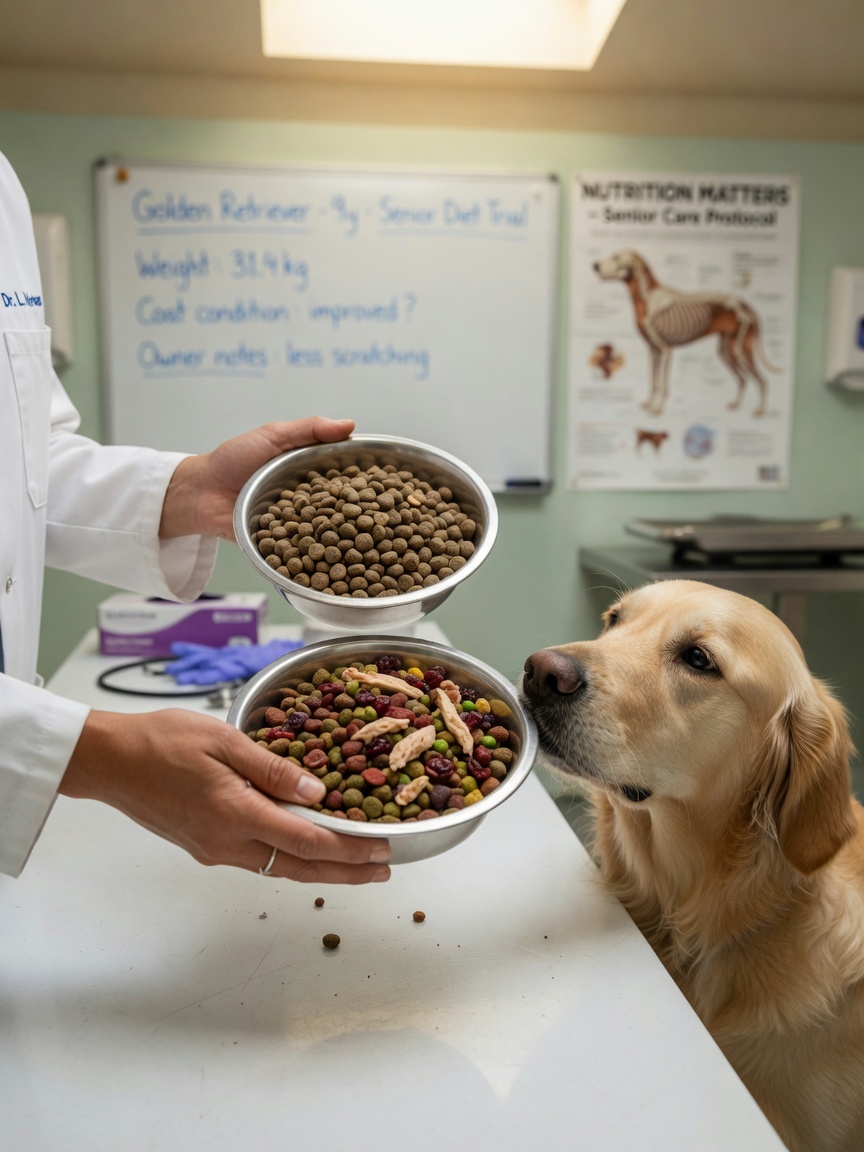
If your dog has been eating the same food for months without interest, a gradual transition to a new diet might help. However, always change foods slowly over 7-10 days, mixing increasing amounts of the new food with the old to avoid digestive upset. High-quality foods with named meat sources and balanced nutrition are typically more palatable and nutritious.
Special Considerations for Senior and Young Dogs
Puppies and senior dogs have unique nutritional requirements and may be pickier eaters. Puppies may need smaller, more frequent meals, whilst senior dogs may benefit from softer food due to dental issues. Additionally, senior dogs sometimes experience diminished taste and smell, so warming food and using stronger-smelling toppers becomes even more important.
Key Takeaways
Addressing picky eating requires patience, consistency, and a systematic approach. Start by ruling out medical causes, establish a structured feeding routine, and implement environmental and dietary adjustments gradually. Most importantly, avoid using mealtimes as a battle ground—remain calm and positive. If your dog continues refusing food despite these interventions, consult your veterinarian again to explore additional solutions. Remember, every dog is unique, and what works for one may not work for another. With persistence and the right strategy, you'll soon have your pup happily enjoying their meals.
```