
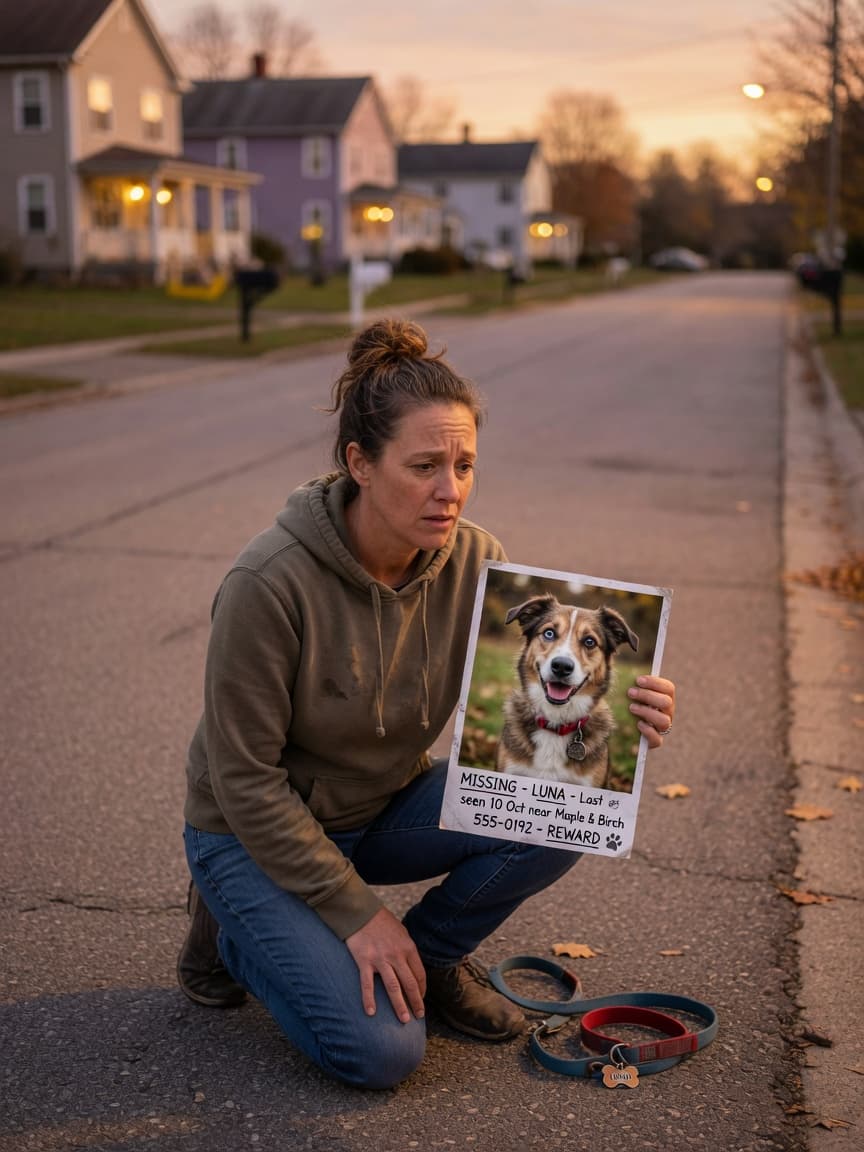
Losing a beloved dog is one of the most distressing experiences any pet owner can face. The panic, guilt, and helplessness that follow can be overwhelming. However, the good news is that most lost dogs are found, particularly when owners act quickly and strategically. With the right approach, clear thinking, and community support, you can significantly increase the chances of bringing your furry friend home safely. This guide provides evidence-based steps to take immediately after your dog goes missing.
Act Immediately: The First Hour Matters
The first hour after discovering your dog is missing is critical. Dogs are often found within a few blocks of home, particularly if they're frightened or disoriented.
- Search your immediate neighbourhood thoroughly, checking bushes, under parked cars, and other hiding spots where a scared dog might shelter
- Ask neighbours if they've seen your dog and provide them with a photo
- Check local animal shelters and veterinary practices immediately – some dogs arrive there within hours
- Contact local microchip registries to confirm your dog's chip details are up to date
- Post on local Facebook groups and Nextdoor communities – these often reach neighbours faster than traditional methods
Create an Effective Lost Dog Alert
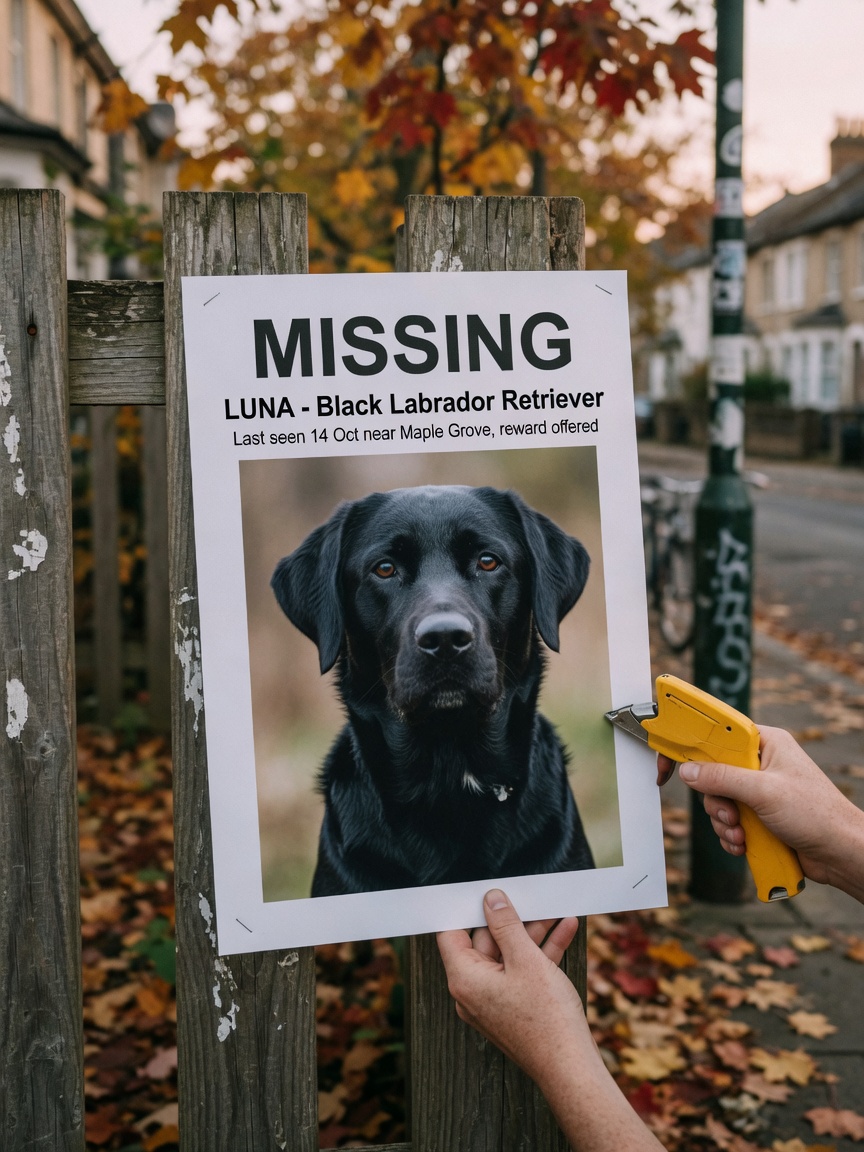
A well-designed lost dog poster and social media post can reach hundreds of people in your area within hours.
- Use a clear, recent photograph showing your dog's distinctive features
- Include your dog's name, breed, age, and any identifying marks (scars, unusual colourings, or missing teeth)
- List your mobile number and email address prominently
- State your dog's size and whether they're friendly or potentially nervous around strangers
- Avoid using words like "reward" initially, as this can sometimes attract opportunists rather than genuine helpers
- Print posters and display them at veterinary surgeries, pet shops, community centres, and on lamp posts in your neighbourhood
Utilise Online Resources and Services
The internet provides powerful tools for finding lost pets. Register your dog immediately with established lost pet databases such as:
- Petlog (the UK's largest pet microchip registry)
- UK Pet Reunite
- Local breed-specific rescue organisations
- Community social media groups dedicated to lost and found pets
Email local vets, dog trainers, and groomers with your poster. Many maintain lists of missing animals and share information regularly.
Expand Your Search Strategically

If your dog hasn't been found within the first 24-48 hours, expand your search pattern. Dogs often travel further than expected, particularly if they're chasing an animal or became disoriented.
- Walk your dog's favourite routes, as many lost dogs return to familiar walking areas
- Search during quieter times (early morning or dusk) when your dog is more likely to respond
- Leave articles of your worn clothing at your home's entrance – your scent may help your dog find their way back
- Contact local taxi firms, delivery drivers, and postmen who may have spotted your dog
- Check rivers, parks, and wooded areas where dogs sometimes shelter when frightened
Work With Professional Services
Don't underestimate professional help. Dog search and rescue organisations exist in most regions and can provide expertise, search dogs, and local knowledge. Consider posting a modest reward (typically £100-£500) after several days if your dog hasn't been found, but always verify someone's identity and meet in safe, public locations.
Key Takeaways
Finding a lost dog requires speed, systematic searching, and community involvement. Begin your search immediately, contact shelters and microchip registries, create effective alerts on social media and traditional posters, and expand your efforts over time. Most importantly, remain hopeful – many lost dogs are reunited with their owners weeks or even months later. Ensure your dog wears an up-to-date collar with identification and maintain current microchip information to improve future recovery chances.