
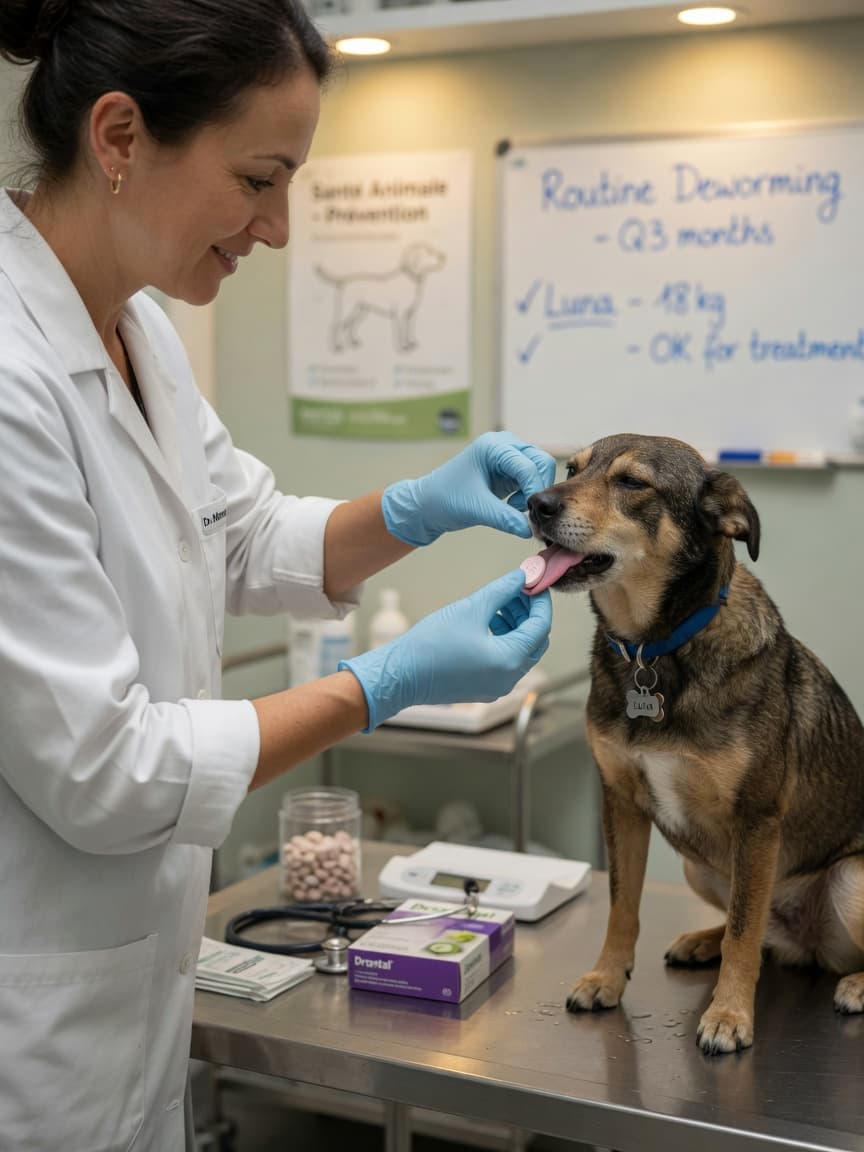
Deworming your dog is one of the most important preventative health measures you can take as a responsible pet owner. Intestinal worms are incredibly common in dogs of all ages and can cause serious health problems if left untreated. Whether your dog has picked up worms from contaminated soil, other animals, or even through their mother's milk, understanding how to deworm properly will help keep your furry friend healthy and happy. This comprehensive guide will walk you through everything you need to know about dog deworming.
What Is Deworming and Why Is It Important?
Deworming is the process of eliminating parasitic worms from your dog's digestive system. The most common intestinal worms affecting dogs include roundworms, tapeworms, hookworms, and whipworms. These parasites can cause nutrient deficiencies, digestive issues, weight loss, and in severe cases, life-threatening complications.
Puppies are particularly vulnerable to worm infestations and should be dewormed regularly from a young age. Adult dogs can also contract worms through:
- Eating contaminated soil or faeces
- Hunting or consuming infected prey
- Contact with infected animals
- Flea bites (which can transmit tapeworms)
- Contaminated water sources
When Should You Deworm Your Dog?

The deworming schedule depends on your dog's age and lifestyle:
- Puppies: Deworm every 2 weeks from 2 weeks of age until 8 weeks old, then every month until 6 months old
- Adult Dogs: At least once or twice yearly, more frequently if they have outdoor access or hunt
- Pregnant Dogs: Consult your vet, as they may need deworming to prevent transmission to puppies
- High-Risk Dogs: Those with outdoor access, raw food diets, or history of worms should be dewormed quarterly
Your veterinary surgeon is the best resource for determining the appropriate schedule for your individual dog.
How To Deworm Your Dog Correctly
Step 1: Consult Your Veterinary Surgeon
Never self-diagnose worms or administer treatment without professional guidance. Your vet can identify which type of worms your dog has through faecal testing and recommend the most appropriate medication. They'll also ensure the dosage is correct for your dog's weight and health status.
Step 2: Choose the Right Deworming Treatment
Deworming medications come in various forms:
- Tablets or capsules
- Liquid suspensions
- Granules
- Injectable treatments (administered by your vet)
- Spot-on treatments
Different medications target different worm types, so your vet's recommendation is crucial.
Step 3: Administer the Medication
Follow your veterinary surgeon's instructions precisely regarding dosage and frequency. If your dog refuses tablets, ask your vet about alternative forms. Never crush or alter medications without approval, as this can affect their efficacy.
Step 4: Monitor for Side Effects
Most dogs tolerate deworming well, but some may experience mild side effects like nausea, diarrhoea, or vomiting. Contact your vet if symptoms persist or worsen.
Supporting Your Dog During Deworming
After deworming, maintain good hygiene practices to prevent reinfection. Clean your dog's bedding regularly, dispose of faeces properly, and wash your hands after handling your dog. Ensure your garden is kept clean and consider regular flea treatments, as fleas can transmit tapeworms.
A nutritious diet supports your dog's immune system during recovery from worm infestations. Ensure adequate protein intake to help your dog regain weight and strength.
Key Takeaways
Deworming is a straightforward yet essential part of responsible dog ownership. Always work with your veterinary surgeon to establish an appropriate deworming schedule, use the correct medication for your dog's specific needs, and follow dosing instructions carefully. Regular deworming, combined with good hygiene practices and preventative measures, will keep your dog healthy and parasite-free for years to come. When in doubt, consult your vet—they're your best ally in keeping your beloved companion thriving.