
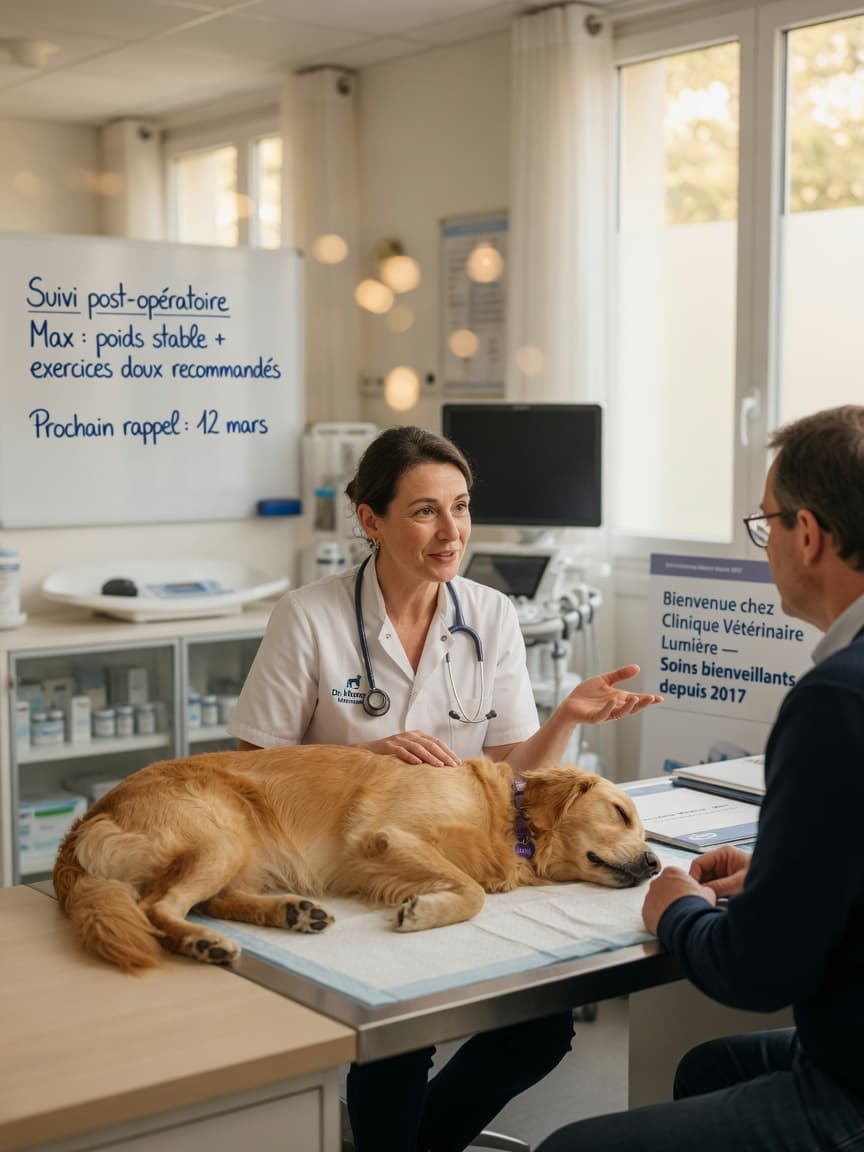
The Right Vet Changes Everything
Studies suggest that pet owners who feel confident in their veterinary practice are significantly more likely to seek preventive care — and that translates directly into longer, healthier lives for their animals. Yet most people choose a vet based on proximity alone. Convenience matters, but it should be the last criterion, not the first.
Accreditation and Qualifications
In the UK, every practising veterinary surgeon must be registered with the Royal College of Veterinary Surgeons (RCVS). This is non-negotiable — it is a legal requirement. You can verify any vet's registration on the RCVS Find a Vet tool online.
Beyond basic registration, look for practices that hold RCVS Practice Standards Scheme accreditation. This voluntary scheme grades practices from Core to Advanced and Specialist, and involves regular inspection of facilities, equipment, and clinical protocols. An accredited practice has been independently assessed — that matters.
What the Physical Practice Tells You
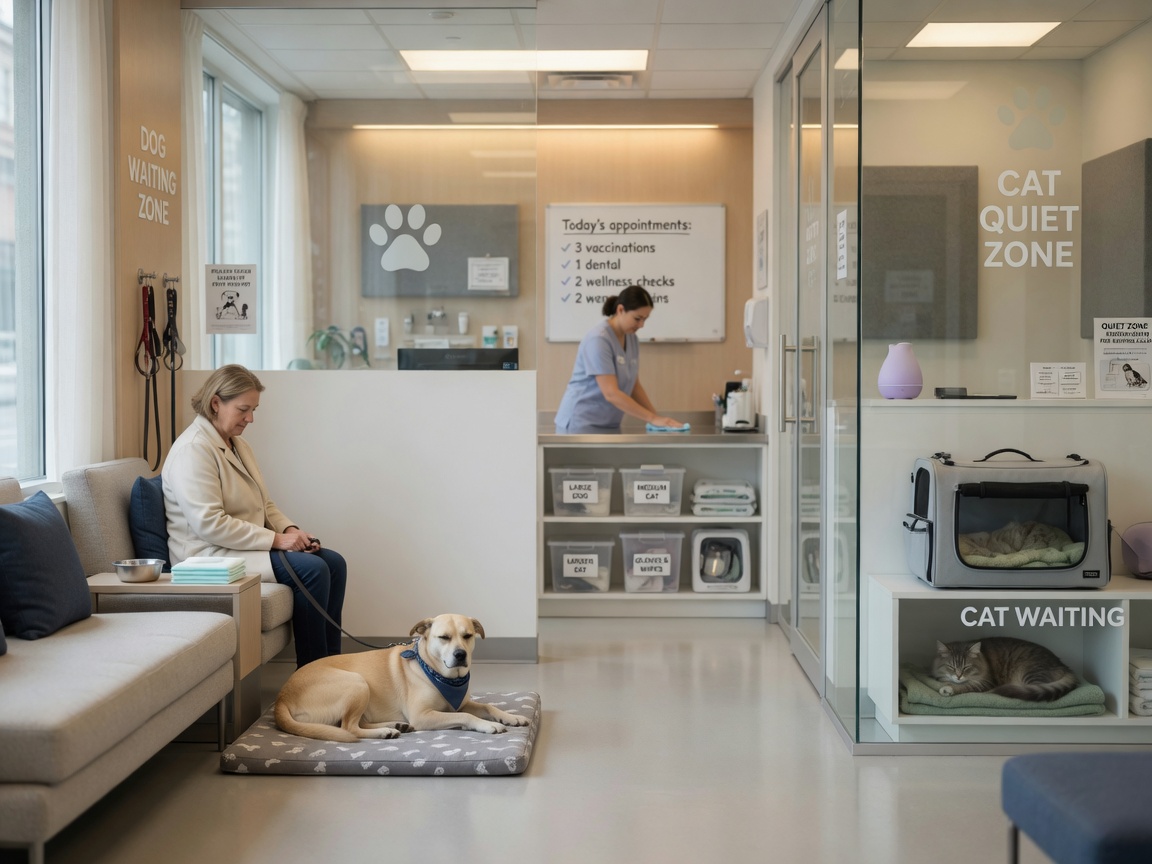
A visit before you register your pet is entirely reasonable. Most reputable practices welcome it. When you walk in, pay attention to the following.
Cleanliness and organisation
Veterinary clinics handle animals with infectious conditions daily. A clean waiting area, well-maintained surfaces, and staff who follow hygiene protocols are baseline expectations, not extras.
Separation of species
Cats and dogs in the same waiting room causes measurable stress, particularly for cats. Practices that offer separate waiting areas, or specific appointment slots for feline patients, demonstrate an understanding of animal behaviour that carries through into the consulting room.
Equipment
In-house diagnostic capabilities — digital X-ray, ultrasound, in-house blood analysis — mean faster answers for your pet and fewer referrals for routine diagnostic work. Ask what the practice can handle on-site.
The Vet-Client Relationship
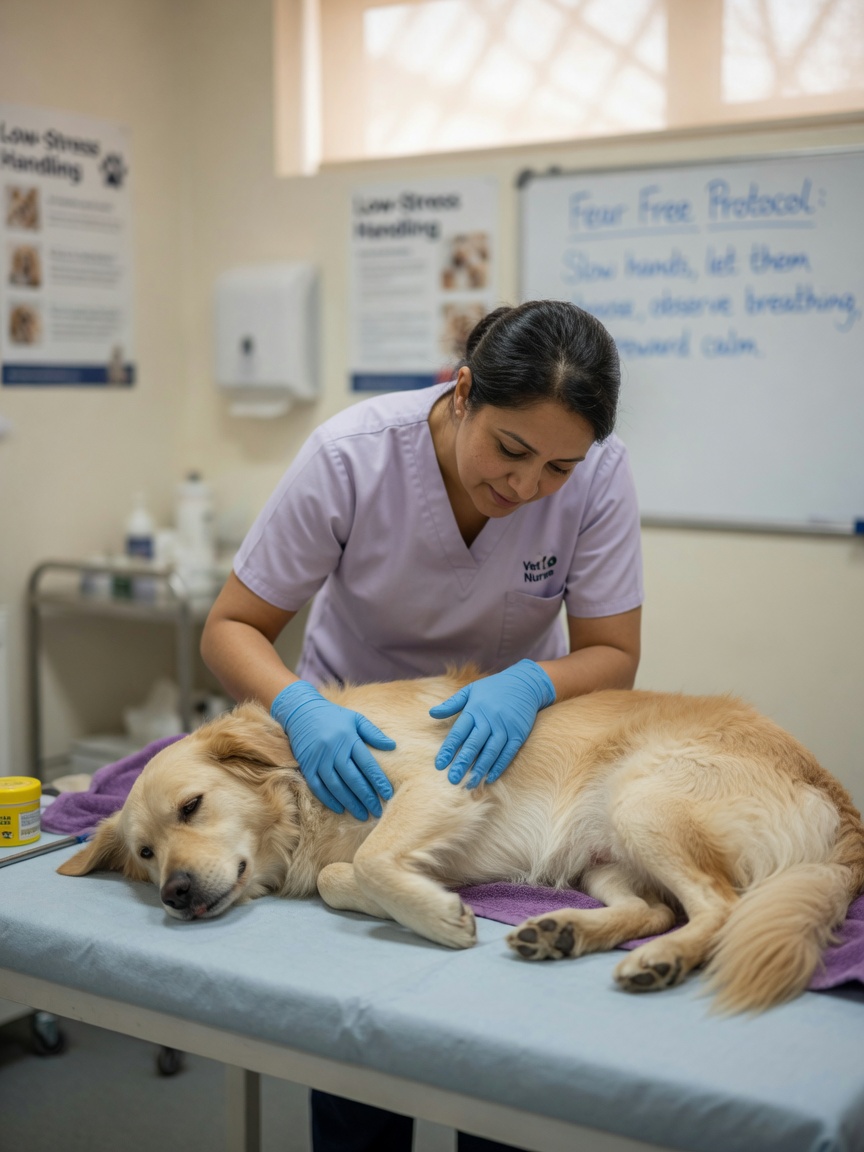
Technical competence is essential, but communication is what most owners remember. A good vet explains diagnoses clearly, presents options rather than dictating a single course, and respects your financial situation without judgement. You should never leave a consultation feeling dismissed or confused.
Pay attention to how the vet and nurses handle your animal. Calm, deliberate handling reduces stress for the patient and produces more reliable clinical findings. Fear-free or low-stress handling approaches are increasingly recognised as best practice — some practices are formally trained in these methods.
Out-of-Hours Care
Emergencies do not schedule themselves. Find out before you register how the practice handles out-of-hours care. Some clinics provide their own emergency cover; others refer to a regional emergency service. Neither arrangement is automatically better, but you need to know in advance so you are not searching for information at midnight with a sick animal.
If the practice uses an external emergency provider, it is worth looking up that provider independently. Check its location, opening hours, and whether it holds appropriate accreditation for critical care.
Practical Considerations Worth Weighing
- Appointment availability: long waits for routine appointments can delay care that matters.
- Online booking and digital records: practices that offer these tend to run more efficiently.
- Prescription policies: some practices charge significantly for written prescriptions you can fulfil elsewhere. Ask about this upfront.
- Health plan schemes: many practices offer monthly wellness plans covering vaccinations, parasite control, and health checks at a reduced overall cost.
- Staff continuity: seeing the same vet consistently builds clinical knowledge of your individual animal over time.
A Practical Summary
Choosing a vet is a long-term decision, and it deserves proportionate thought. Verify RCVS registration. Look for practice accreditation. Visit in person before committing. Assess communication style and handling, not just qualifications. Confirm out-of-hours arrangements before you need them. The best practice for your pet is one where you feel genuinely supported — and where your animal receives consistent, competent, compassionate care throughout their life.