
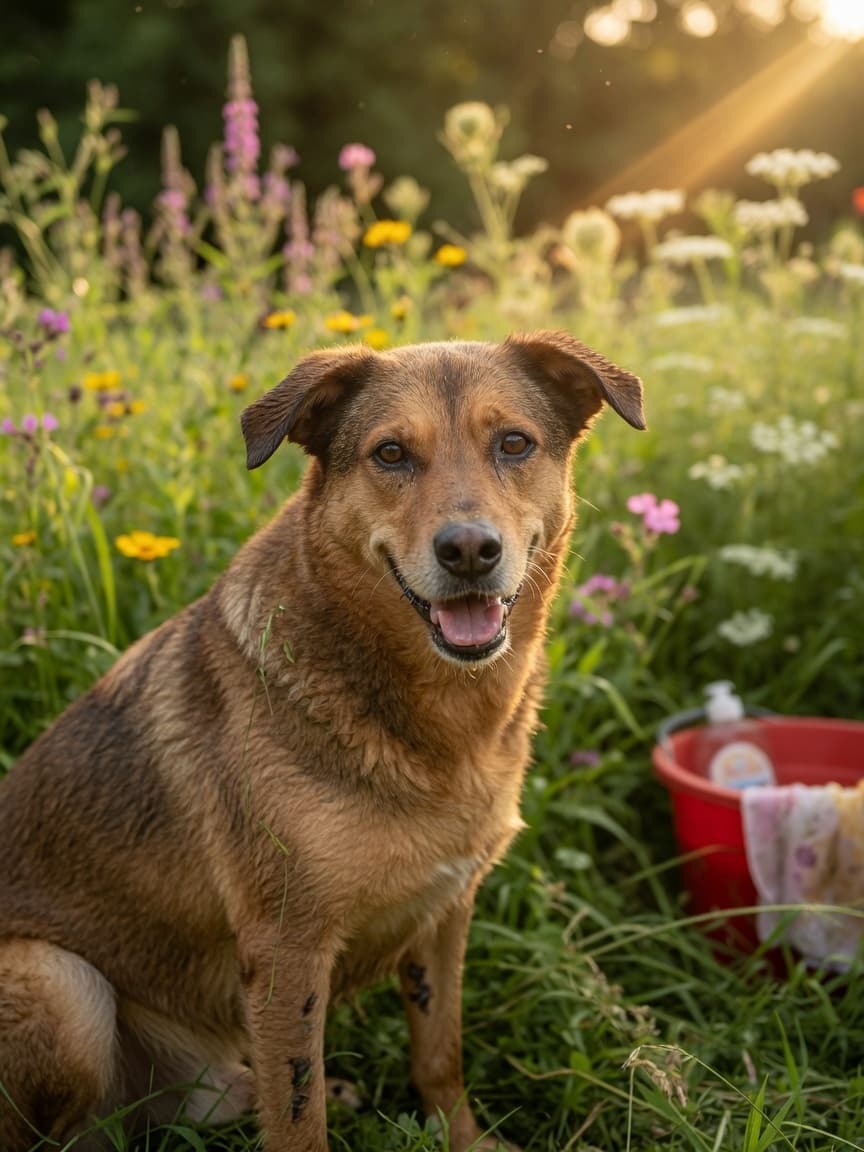
Few experiences are more unpleasant than discovering your beloved dog has been sprayed by a skunk. The distinctive, pungent odour can linger for weeks, and the experience itself can be quite distressing for your pet. Whilst skunk encounters are relatively rare in the UK, they do occur in certain regions, and European pet owners in areas with skunks need to know how to respond effectively. Beyond the obvious smell, there are important health considerations to address, including potential eye irritation and stress responses. This comprehensive guide will help you handle the situation calmly and ensure your dog receives proper care.
Immediate First Aid Steps
Your first priority is to keep your dog away from furniture and thoroughly wash any affected areas as quickly as possible. Skunk spray can cause temporary eye irritation, so check your dog's eyes immediately for redness or discharge.
- Keep your dog outside or in a washable area whilst you gather supplies
- Do not allow your dog to rub their face on carpets or soft furnishings
- If spray entered the eyes, flush gently with room-temperature water for 5-10 minutes
- Prepare a bathing area with lukewarm water and supplies
- Wear old clothing yourself—the smell transfers easily to clothing and skin
The Most Effective Removal Solution
The most reliable remedy for removing skunk odour is a specialist deodorising solution. Contrary to popular myth, tomato juice is largely ineffective. The most effective home remedy combines:
- One litre of 3% hydrogen peroxide
- Quarter cup of baking soda
- One to two teaspoons of mild dish soap
Mix these ingredients thoroughly and apply directly to affected areas, working it through your dog's coat with your hands or a soft brush. Avoid the eyes, ears, and mouth entirely. Leave the mixture on your dog's coat for 5-10 minutes, then rinse thoroughly with lukewarm water. You may need to repeat this process two to three times over consecutive days for complete odour removal.
Managing Your Dog's Discomfort
Skunk spray can cause mild inflammation and discomfort. Your dog may shake excessively, show signs of stress, or attempt to bite at irritated areas. If eye exposure occurred, contact your veterinary surgeon for guidance on soothing drops. Never use human eye drops without veterinary approval.
Keep your dog calm following the incident. Some dogs experience anxiety after frightening encounters, so provide a quiet, comfortable space and offer reassurance through gentle petting and soothing tones.
When to Contact Your Veterinary Surgeon
Whilst most skunk spray incidents are resolved at home, you should contact your vet if:
- Your dog shows signs of distress or severe anxiety lasting more than a few hours
- Eye irritation persists or worsens after rinsing
- Your dog has difficulty breathing or shows respiratory symptoms
- Skin irritation, redness, or swelling develops after bathing
- Your dog has ingested any skunk spray
Prevention Strategies
Prevention is always preferable to treatment. Keep your garden well-lit at night, remove potential food sources like fallen fruit or accessible bins, and supervise outdoor time, particularly during dawn and dusk when skunks are most active. Train your dog to respond reliably to recall commands to minimise encounters.
Key Takeaways
Skunk spray incidents, whilst unpleasant, are rarely dangerous when managed properly. Act quickly with appropriate deodorising solutions, monitor for irritation, and remain calm to help your dog recover emotionally. Most dogs make a complete recovery within days. Keep your veterinary surgeon's contact information readily available, remain vigilant about garden security, and remember that this too shall pass—though the smell might linger longer than you'd like!