
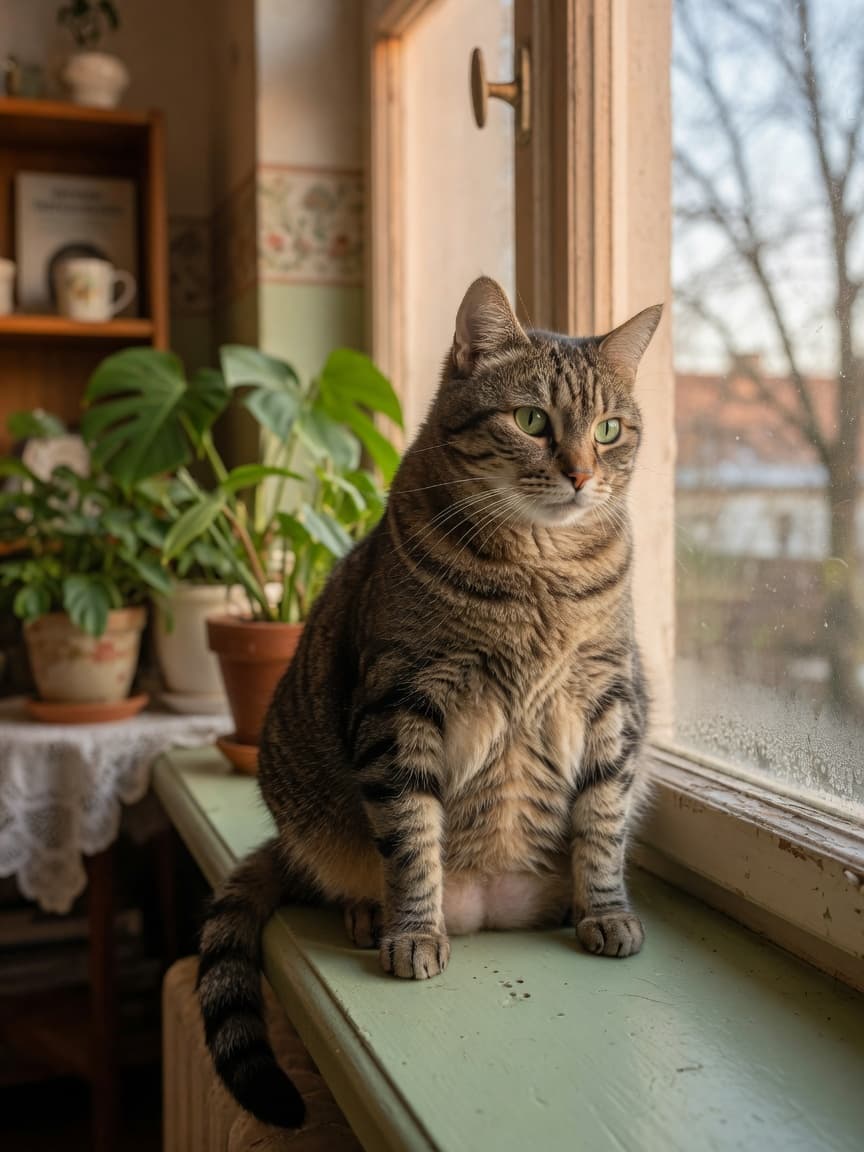
Discovering your cat is pregnant can be both exciting and overwhelming. Whether planned or unexpected, understanding how to properly support your feline friend through pregnancy is crucial for her health and the health of her kittens. With the right nutrition, veterinary care, and environmental support, you can ensure a smooth pregnancy and successful delivery. This comprehensive guide will walk you through everything you need to know about caring for your expectant mother cat.
Confirm the Pregnancy and Schedule Veterinary Care
Your first step should be booking an appointment with your veterinarian. They can confirm the pregnancy through physical examination or ultrasound, typically around 14-21 days after conception. This initial consultation is vital for:
- Estimating the expected delivery date (gestation typically lasts 63-65 days)
- Assessing your cat's overall health and any potential complications
- Discussing necessary dietary changes and supplementation
- Reviewing parasite prevention protocols
- Scheduling follow-up appointments throughout the pregnancy
Regular veterinary check-ups throughout pregnancy help monitor foetal development and catch any issues early.
Optimise Nutrition and Feeding
Pregnancy significantly increases your cat's nutritional requirements. A pregnant cat needs approximately 25% more calories by the final week of pregnancy, and even more during lactation.
- Switch to high-quality kitten food: Kitten formulas contain more calories, protein, and essential nutrients needed for pregnancy and lactation
- Increase feeding frequency: Offer meals three to four times daily instead of once or twice, as her stomach capacity decreases as kittens grow
- Provide fresh water constantly: Pregnant cats need increased hydration
- Avoid supplements without veterinary approval: Some supplements can harm developing kittens
Your vet may recommend specific commercially available pregnancy and lactation diets formulated to meet these increased demands.
Create a Safe and Comfortable Nesting Space
As pregnancy progresses, your cat will naturally seek a quiet, secure place to prepare for labour and delivery. Help her by creating an ideal nesting environment:
- Provide a quiet, dimly-lit room away from household traffic
- Place a large, comfortable box lined with clean, washable blankets or towels
- Ensure easy access to a litter tray, food, and fresh water near the nesting area
- Keep the space at a comfortable temperature (around 21°C)
- Minimise stress by limiting visitors and maintaining a calm household environment
Monitor Activity and Handle with Care
During pregnancy, your cat may become less active and sleep more frequently—this is completely normal. However, you should maintain a balance:
- Encourage gentle play and light activity to maintain muscle tone
- Avoid allowing her to jump excessively from heights
- Handle her carefully, supporting her abdomen gently
- Keep her indoors to prevent injury and unwanted mating
- Watch for signs of distress, including excessive lethargy, loss of appetite, or vomiting
Understand Signs of Labour and When to Call the Vet
Labour typically begins 12-24 hours after her body temperature drops below 38°C. Signs include restlessness, increased grooming, and loss of appetite. However, contact your vet immediately if:
- Labour doesn't progress (no kittens born within 4 hours of active straining)
- She experiences severe pain or excessive bleeding
- A kitten appears stuck during delivery
- She shows signs of illness or extreme distress
Key Takeaways for Caring for Your Pregnant Cat
Supporting a pregnant cat requires vigilance, proper nutrition, and regular veterinary care. By switching to nutrient-rich kitten food, creating a comfortable nesting space, monitoring her health closely, and maintaining open communication with your vet, you're setting the stage for a healthy pregnancy and safe delivery. Remember that every cat is unique; your veterinarian remains your best resource for personalised advice tailored to your cat's individual needs.