

Starting a dog-sitting business can be an incredibly rewarding venture for animal lovers who want flexibility, independence, and the pleasure of working with dogs every day. Whether you're looking for a full-time career change or supplementary income, professional pet sitting offers genuine opportunities to build a sustainable business whilst providing an essential service to your community. This comprehensive guide will walk you through 14 practical steps to launch your dog-sitting venture successfully.
1-3: Foundation and Planning
Before you advertise your services, establish a solid foundation. First, decide whether you'll operate as a sole trader or limited company—consult with an accountant about the most tax-efficient structure for your circumstances. Second, develop a detailed business plan outlining your services, pricing strategy, target market, and financial projections. Third, research your local competition thoroughly. Visit competitor websites, read reviews, and identify gaps you can fill in your market.
4-6: Qualifications and Insurance
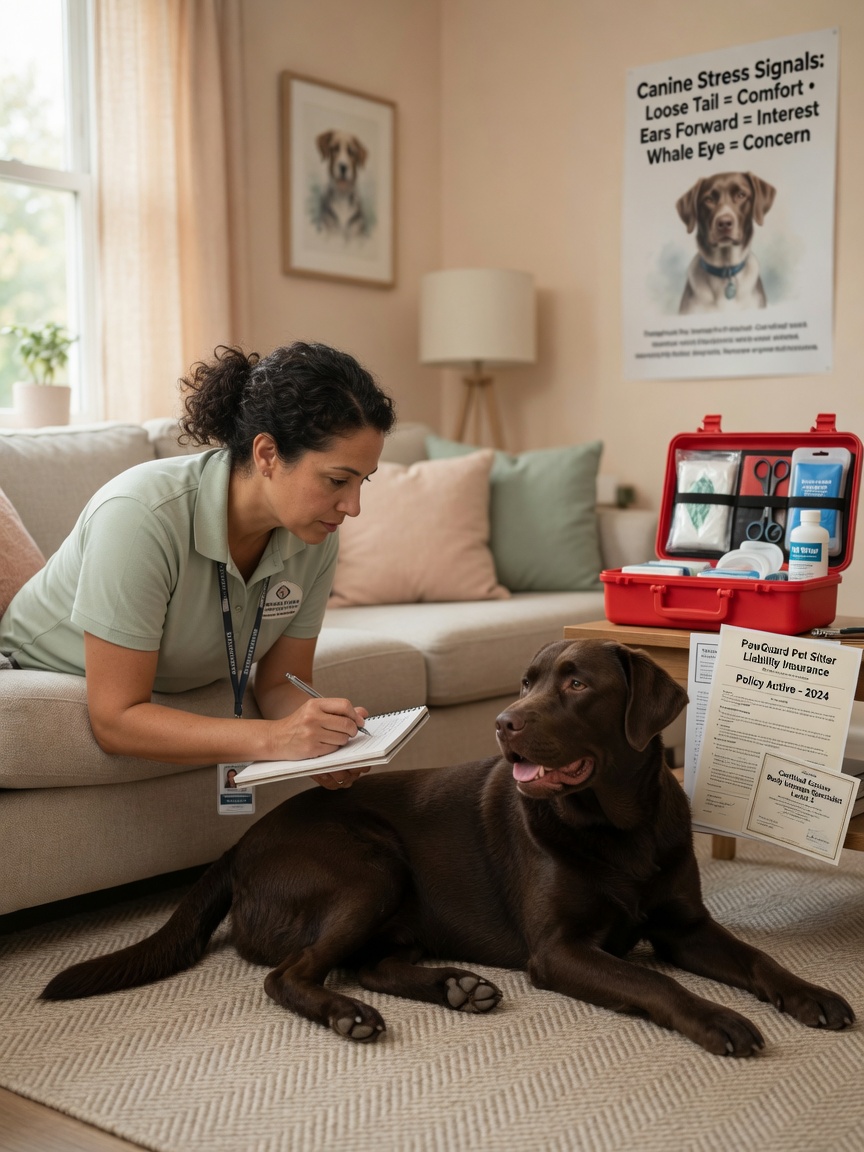
Credibility matters significantly in pet care. Consider obtaining relevant qualifications such as:
- First aid certification for pets through recognised providers
- Dog behaviour and handling courses
- Canine body language and stress signals training
Next, secure comprehensive public liability insurance—this protects you financially if a dog is injured whilst in your care or if you accidentally damage a client's property. Invest in pet care insurance specifically, as standard business policies may not cover animal-related incidents. Finally, establish clear contracts outlining your terms, cancellation policies, payment methods, and liability limitations.
7-9: Setting Up Operations
Create a professional brand identity including a memorable business name, logo, and colour scheme. Design a professional website showcasing your services, experience, testimonials, and contact information. Ensure your site is mobile-friendly, as most pet owners browse on smartphones.
Next, establish secure payment systems. Use reputable platforms like PayPal or Stripe to process payments safely. Implement a booking system—consider using dedicated pet care software that allows clients to schedule appointments and receive automated reminders.
Set competitive pricing based on your local market, experience level, and services offered. Most UK pet sitters charge between £10-20 per 30-minute visit, depending on location and service complexity.
10-12: Building Your Client Base

Market your services strategically through multiple channels:
- Register with pet care platforms like Rover, Care.com, or local alternatives
- Leverage social media, particularly Instagram and Facebook, with engaging dog photos and client testimonials
- Network with local vets, groomers, and pet shops for referrals
- Ask satisfied clients for Google reviews and recommendations
- Distribute professional flyers at community notice boards
13-14: Managing Your Business
Implement solid record-keeping systems tracking client details, medical information, emergency contacts, and visit notes. Maintain detailed records of each dog's personality, dietary preferences, medications, and behaviour patterns. This demonstrates professionalism and ensures continuity of care.
Develop clear health and safety protocols. Screen new clients, visit homes before accepting bookings, and never accept dogs with serious health conditions unless you have appropriate experience. Always carry a mobile phone, insurance documents, and a first aid kit.
Key Takeaways for Success
Launching a dog-sitting business requires careful planning, proper insurance, relevant qualifications, and genuine passion for animal welfare. Start by establishing the business foundations—registration, insurance, and qualifications. Build your professional presence through a quality website and social media, then gradually expand your client base through excellent service and positive word-of-mouth. Remember that your reputation is everything in pet care; prioritise reliability, communication, and the wellbeing of every dog entrusted to your care. With dedication and professionalism, your dog-sitting business can become a thriving, sustainable venture that you and your four-legged clients genuinely enjoy.
```