
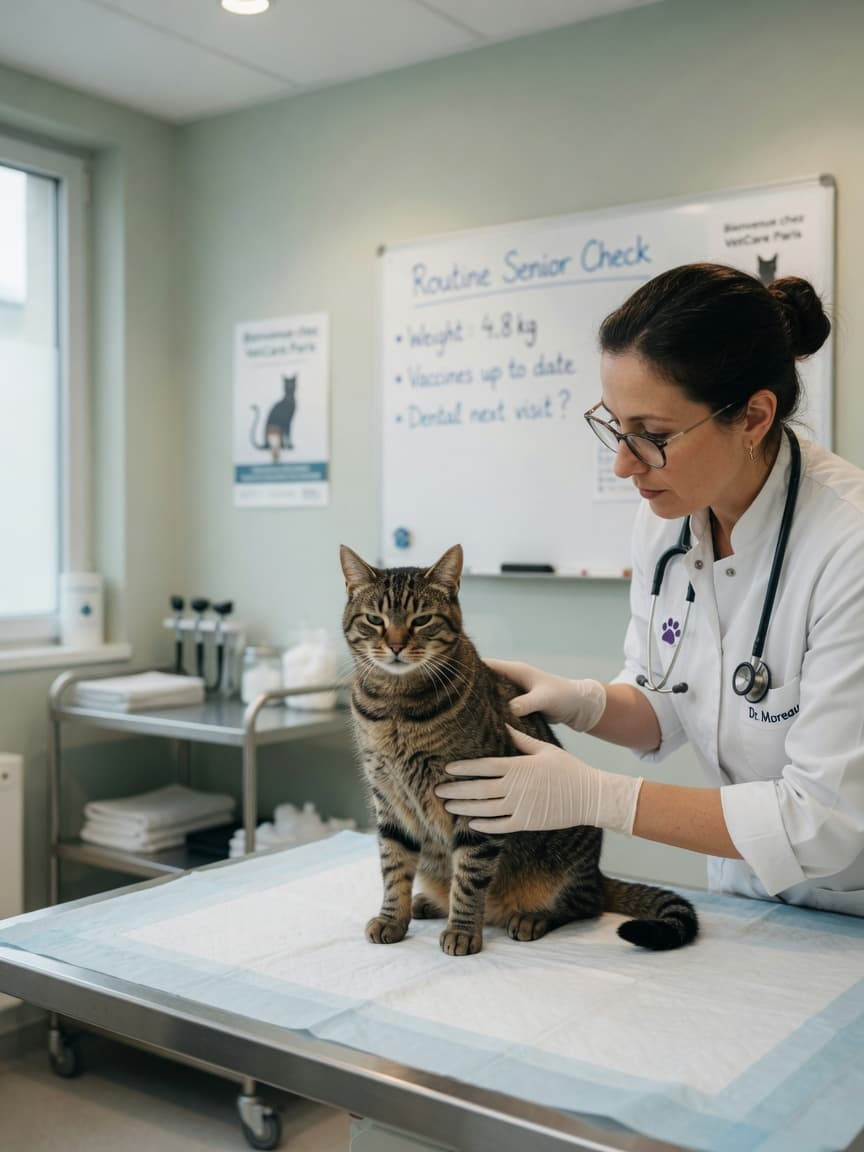
The Visit Schedule Most Cat Owners Get Wrong
Around 52% of cats in the UK have not visited a vet in the past year, according to industry surveys — yet cats are masters at hiding illness until it becomes serious. Unlike dogs, who tend to show distress visibly, cats compensate quietly. By the time symptoms surface, conditions that were entirely manageable have often progressed. The solution is not waiting for obvious signs; it is building a visit schedule matched to your cat's life stage.
Kittens: Frequent Visits Are Non-Negotiable
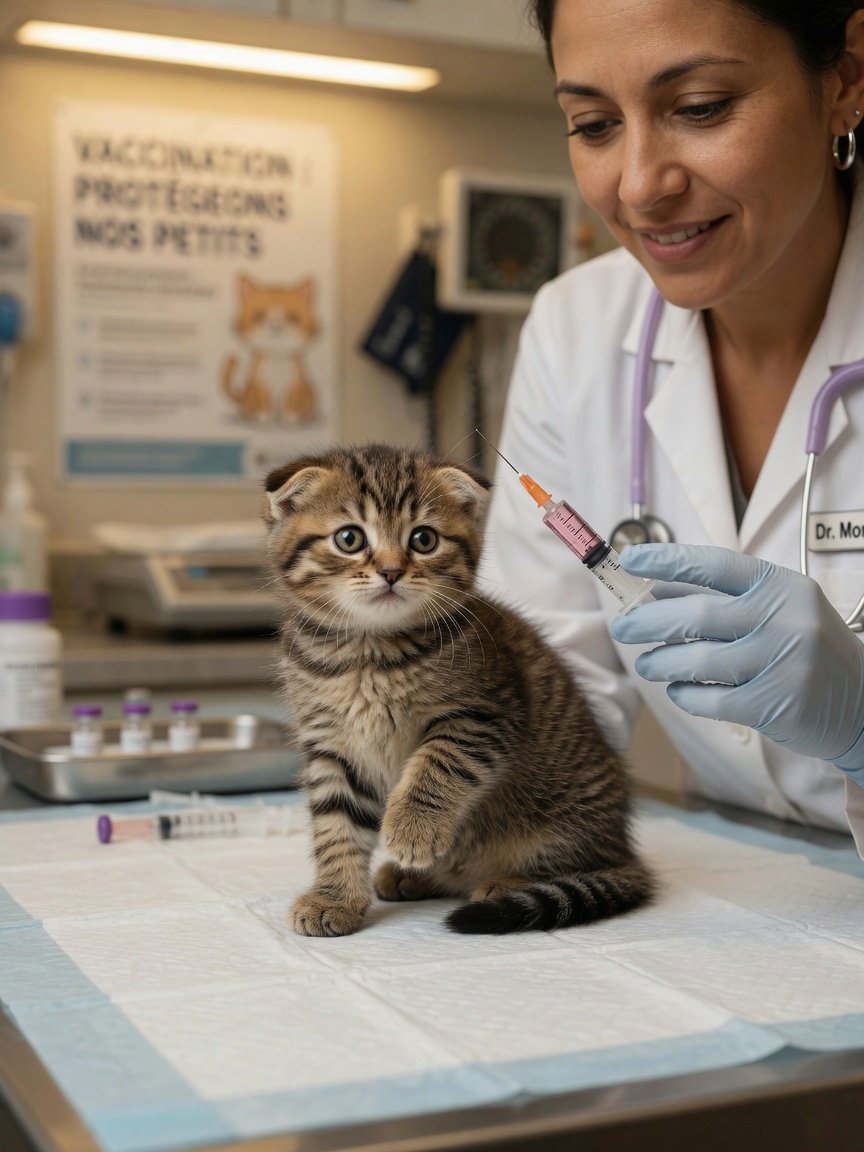
From birth to 12 months, your kitten needs more veterinary contact than at almost any other point in life. The immune system is developing, the risk of infectious disease is high, and this is the window for foundational preventive care.
The Core Kitten Schedule
- First visit at 6–8 weeks for a physical examination and first vaccinations
- Second visit at 10–12 weeks for booster vaccinations and parasite screening
- Third visit at 14–16 weeks for final kitten boosters and microchipping if not already done
- A further visit at 4–6 months to discuss neutering
At each appointment, your vet will assess growth, check for congenital abnormalities, and discuss nutrition. This is also the right time to establish a flea, tick, and worming protocol suited to your kitten's environment and lifestyle.
Adult Cats: Once a Year as a Baseline
Between roughly 1 and 10 years of age, most healthy cats do well with an annual wellness examination. This is not merely a vaccination top-up — a thorough annual check should include weight assessment, dental scoring, heart and lung auscultation, abdominal palpation, and a review of diet and behaviour.
When Annual Is Not Enough
Some adult cats warrant more frequent visits regardless of apparent health. Cats that go outdoors face higher exposure to infectious disease, trauma, and parasites. Cats with known chronic conditions — hyperthyroidism, asthma, inflammatory bowel disease — may need check-ups every three to six months. Any adult cat showing changes in appetite, water intake, weight, litter box habits, or behaviour should be seen promptly rather than waiting for the next scheduled appointment.
Annual bloodwork is not routinely recommended for all healthy adult cats, but your vet may suggest a baseline panel in mid-adulthood to establish normal values for that individual animal.
Senior Cats: Twice a Year Becomes the Standard
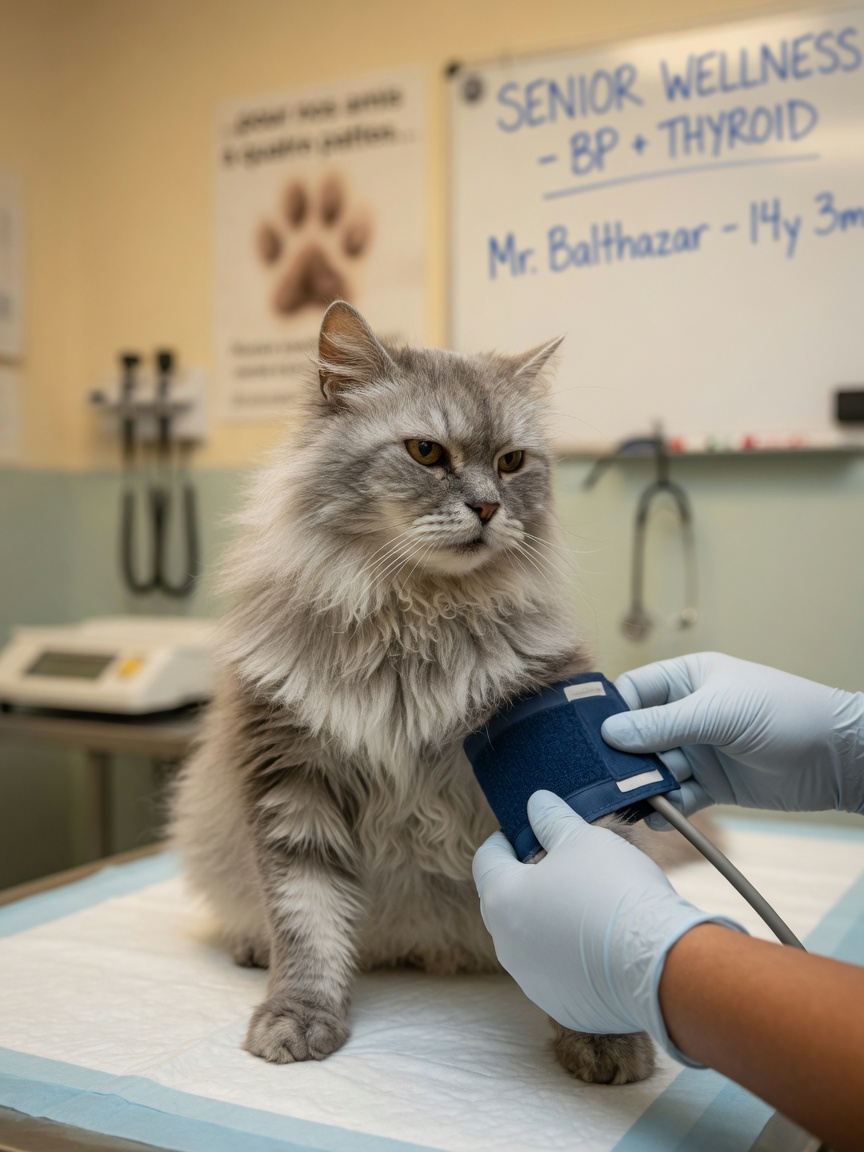
Cats are generally considered senior from around 10–11 years, and geriatric from 15 years onwards. At this life stage, the recommendation from most veterinary bodies shifts to twice-yearly examinations. The reasoning is straightforward: conditions such as chronic kidney disease, hyperthyroidism, hypertension, diabetes, and dental disease all become significantly more common, and their progression can be rapid.
What a Senior Check-Up Includes
- Full physical examination including lymph node palpation and thyroid assessment
- Blood pressure measurement
- Routine bloodwork covering kidney and liver values, thyroid hormone, and blood cell counts
- Urinalysis to detect early kidney disease or infection
- Dental assessment and discussion of any pain indicators
- Weight and muscle condition scoring
Catching kidney disease in stage one or two rather than stage three or four makes a significant difference to outcomes and quality of life. The same applies to hyperthyroidism, which is treatable but commonly diagnosed only after months of subtle weight loss and behavioural change.
Special Circumstances That Override the Standard Schedule
Life stage is a guide, not an absolute rule. Certain cats need tailored visit frequencies regardless of age. Rescue cats with unknown histories should be seen promptly for a full health assessment. Cats recently adopted as adults may have incomplete vaccination records or undetected parasites. Multi-cat households are higher-risk environments for respiratory infections and parasitic spread. Indoor-only cats generally carry lower infectious disease risk but are prone to obesity and dental disease, both of which benefit from regular monitoring.
If your cat is on long-term medication — corticosteroids, methimazole for hyperthyroidism, or immunosuppressants — follow-up intervals will be dictated by your vet based on the drug's monitoring requirements.
Between Visits: What You Should Be Checking at Home
Regular home observation is not a substitute for veterinary care, but it significantly increases the chance of catching problems early. Monthly, run your hands along your cat's body to feel for lumps, asymmetry, or areas of sensitivity. Monitor weight if possible — even a 200–300g loss in a small cat is clinically significant. Watch litter box output for changes in frequency, volume, or consistency. Note any changes in grooming, socialisation, or sleep patterns.
If something changes, do not wait for the next scheduled visit. Early investigation nearly always leads to better outcomes and lower costs than delayed treatment.
A Simple Schedule to Follow
- Kittens (0–12 months): every 3–4 weeks until primary vaccinations complete, then at 6 months for neutering discussion
- Adults (1–10 years): annually, or every 6 months if outdoor, chronic conditions, or on medication
- Seniors (10 years and above): every 6 months minimum, with bloodwork and urinalysis at each visit
- Any life stage: promptly if behaviour, appetite, weight, or elimination habits change
Discuss your cat's individual risk factors with your vet to build a schedule that fits their specific needs. Preventive care is always less costly — financially and emotionally — than treating advanced disease.