ForPetsHealthcare
Dogs

How Much Exercise Does a Dog Need?

By Julia WrenfieldUpdated August 4, 20263 min read
Evidence-based · Sources checked
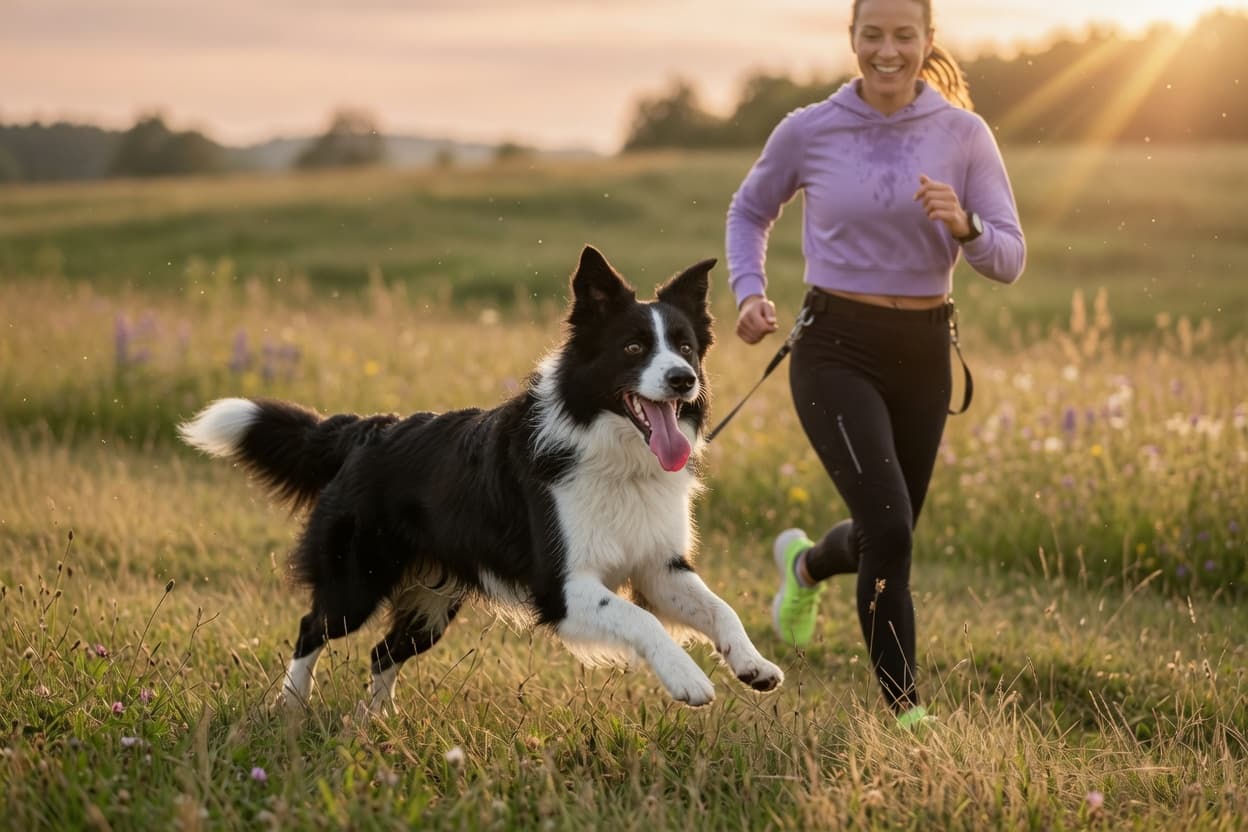
{"en": "Active dog running and playing outdoors during exercise session in park", "es": "Perro activo corriendo y jugando al aire libre durante sesi\u00f3n de ejercicio", "fr": "Chien actif courant et jouant dehors lors d'une s\u00e9ance d'exercice", "de": "Aktiver Hund l\u00e4uft und spielt drau\u00dfen w\u00e4hrend Trainingseinheit", "nl": "Actieve hond die buiten rent en speelt tijdens trainingsessie", "pt": "C\u00e3o ativo correndo e brincando ao ar livre durante sess\u00e3o de exerc\u00edcio", "it": "Cane attivo che corre e gioca all'aperto durante sessione di esercizio"}

One of the most common questions we receive from dog owners is: "Is my dog getting enough exercise?" The answer isn't one-size-fits-all. Just as human fitness needs vary, so too do your canine companion's requirements. Getting the balance right is crucial for maintaining your dog's physical health, mental wellbeing, and preventing behavioural problems. Whether you're a new dog parent or seeking to optimise your current routine, understanding your individual dog's exercise needs will help you provide the best possible care.

General Guidelines by Life Stage

The amount of exercise your dog requires depends largely on their age, breed, and health status. Here's what research and veterinary guidance suggest:

  • Puppies (3–6 months): Five minutes of exercise per month of age, twice daily. A four-month-old puppy needs roughly 20 minutes of exercise twice daily. Avoid repetitive high-impact activities that could damage developing joints.
  • Young adults (1–7 years): Most dogs in this range need 30 minutes to 2 hours of daily exercise, depending on breed and energy level.
  • Senior dogs (7+ years): Reduce intensity but maintain consistency. Most benefit from 20–30 minutes of gentle daily activity, adjusted for any health conditions.

Breed-Specific Exercise Needs
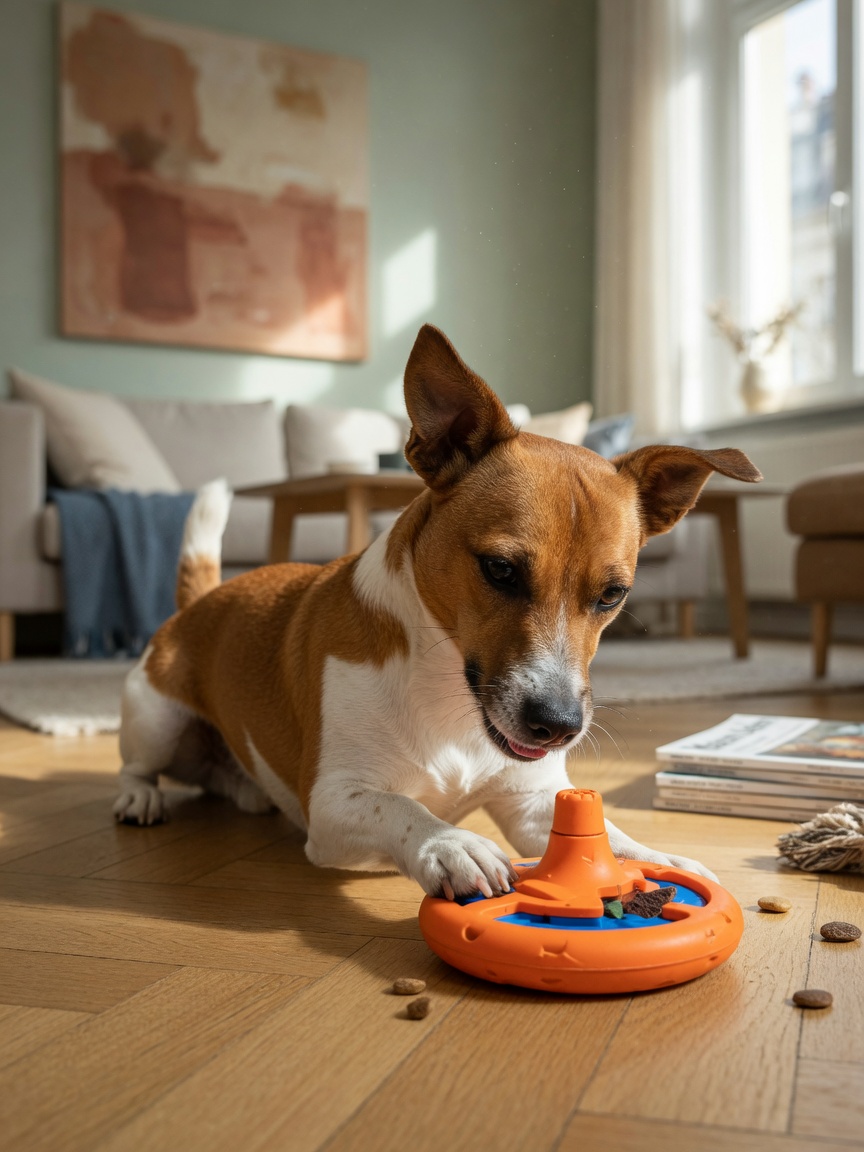
Jack Russell Terrier engaging with puzzle toy showing breed's high-energy nature

Different breeds were developed for different purposes, which significantly influences their energy levels and exercise requirements.

High-energy breeds such as Border Collies, Jack Russell Terriers, and Springer Spaniels were bred for herding, hunting, or retrieving. These dogs typically require 60–120 minutes of vigorous daily exercise plus mental stimulation. Without adequate outlets, they often develop destructive behaviours like excessive chewing or digging.

Moderate-energy breeds like Golden Retrievers, Beagles, and Cocker Spaniels do well with 45–60 minutes of mixed activity daily. Lower-energy breeds such as Bulldogs, Basset Hounds, and Cavalier King Charles Spaniels typically need just 20–30 minutes daily, though they still require regular movement to maintain healthy weight.

Signs Your Dog Needs More Exercise

  • Destructive behaviour (chewing furniture, shoes, or walls)
  • Excessive barking or whining
  • Hyperactivity indoors
  • Weight gain or visible signs of obesity
  • Difficulty settling or apparent restlessness
  • Attention-seeking behaviour that seems excessive

Mental Exercise Is Just as Important

Content Golden Retriever resting after mental enrichment and training session

Physical activity alone isn't sufficient. Mental stimulation through puzzle toys, training sessions, scent work, and interactive games is equally vital for canine wellbeing. A dog that's mentally engaged is often calmer and more content than one with purely physical exercise. Aim to incorporate 15–30 minutes of mental enrichment daily alongside physical activity.

Tailoring Exercise to Your Dog's Health

Dogs with joint problems, heart conditions, or obesity require modified exercise programmes. Always consult your veterinary surgeon before significantly increasing your dog's activity level, particularly if they're overweight, elderly, or have existing health concerns. Swimming and controlled walking are often excellent low-impact alternatives to high-intensity exercise.

Key Takeaways

  • Exercise needs vary significantly by age, breed, and individual temperament
  • Monitor your dog's behaviour for signs they need more or less activity
  • Combine physical exercise with mental stimulation for optimal wellbeing
  • Establish a consistent routine your dog can rely on
  • Consult your vet if you're unsure about appropriate activity levels
  • Remember that a well-exercised dog is typically a happy, well-behaved companion
#how much exercise does a dog need#dog health#dog nutrition#forpetshealthcare

Sources & further reading

This article is based on peer-reviewed veterinary research and reputable animal-health sources. Explore the underlying science in our Research Library.

Related articles

The 19 Best Animal Shelters in the Netherlands (2026)

the Netherlands's animal shelters, rescue associations and refuges save thousands of dogs, cats and other animals every year, almost always on tiny budgets and volunteer power. To build the most objective ranking possible, we analysed public Google reviews across more than 56 registered animal-prote…

Read more →

The 25 Best Animal Shelters in Italy (2026)

Italy's animal shelters, rescue associations and refuges save thousands of dogs, cats and other animals every year, almost always on tiny budgets and volunteer power. To build the most objective ranking possible, we analysed public Google reviews across more than 121 registered animal-protection org…

Read more →

The 48 Best Animal Shelters in Germany (2026)

Germany's animal shelters, rescue associations and refuges save thousands of dogs, cats and other animals every year, almost always on tiny budgets and volunteer power. To build the most objective ranking possible, we analysed public Google reviews across more than 152 registered animal-protection o…

Read more →

The 32 Best Animal Shelters in France (2026)

France's animal shelters, rescue associations and refuges save thousands of dogs, cats and other animals every year, almost always on tiny budgets and volunteer power. To build the most objective ranking possible, we analysed public Google reviews across more than 89 registered animal-protection org…

Read more →

The 8 Best Animal Shelters in Portugal (2026)

Portugal's animal shelters, rescue associations and municipal centros de recolha save thousands of dogs, cats and other animals every year, almost always on tiny budgets and volunteer power. To build the most objective ranking possible, we analysed public Google reviews across more than 86 registere…

Read more →

Sphynx Cat Skin care and hygiene: Causes, Signs & Care

Sphynx cats have little to no coat, which means the skin itself takes on jobs that fur normally does — insulation, oil dispersal, and barrier protection — leaving it prone to greasiness, blocked pores, fungal infections, and sunburn. The single most important thing to know is that a Sphynx's skin ne…

Read more →
Disclaimer:This article is for informational purposes only and does not constitute veterinary advice. Always consult a qualified veterinarian for your pet's health concerns.

Free newsletter

Pet health tips, straight to your inbox

Weekly science-backed advice for dog & cat owners. No spam, unsubscribe anytime.