

Leaving your beloved dog behind whilst you jet off on holiday can trigger a wave of guilt and worry. But what's actually happening in your dog's mind? Understanding your pet's emotional experience during your absence can help you make better decisions about their care and implement strategies to ease their anxiety. Dogs are deeply social creatures with genuine emotional responses, and the separation you experience isn't one-sided.
The Reality of Canine Separation Anxiety
When you leave for an extended period, your dog doesn't simply wait patiently for your return. Research in veterinary behavioural science shows that dogs experience genuine distress when separated from their owners. This isn't dramatic anthropomorphising—it's backed by measurable physiological changes.
Dogs form strong attachment bonds with their primary caregivers, similar to how human children bond with parents. When that attachment figure disappears, your dog may experience elevated cortisol levels (the stress hormone), increased heart rate, and anxiety-related behaviours. The intensity varies depending on your individual dog's temperament, previous experiences, and how the separation is managed.
Signs Your Dog Is Struggling With Your Absence
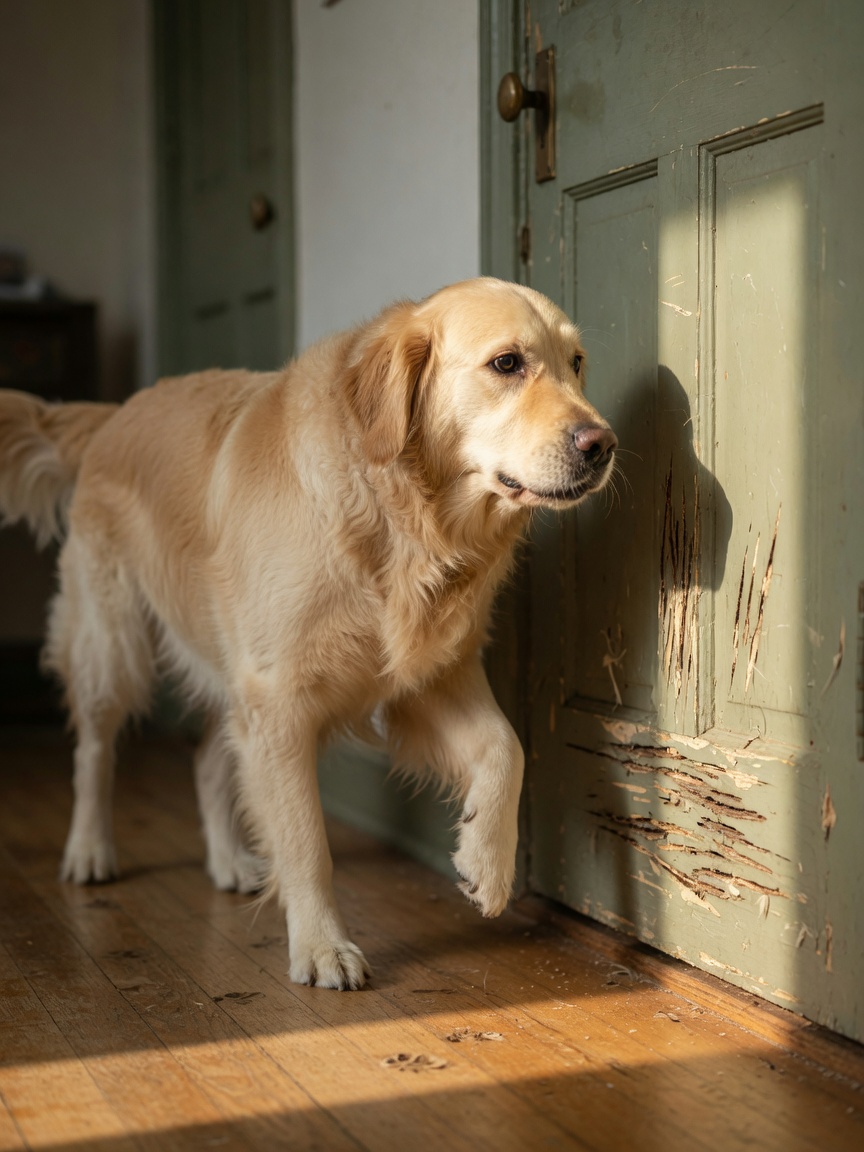
Dogs communicate their distress in various ways. Watch for these common indicators:
- Destructive behaviour—chewing furniture, scratching doors, or shredding bedding
- Excessive barking or howling
- Loss of appetite or refusing treats
- Pacing, restlessness, or inability to settle
- House soiling despite being housetrained
- Changes in sleep patterns
- Lethargy and withdrawal upon your return
- Clingy behaviour or excessive greeting responses
Some dogs display no obvious signs but still experience internal stress. Conversely, dogs with strong coping mechanisms or those with multiple social connections may adapt more readily.
Factors That Influence Your Dog's Experience
Not all dogs respond to your holiday in the same way. Several variables shape how your dog experiences your absence:
- Age: Puppies and senior dogs typically struggle more than adults in their prime years
- Temperament: Naturally anxious dogs fare worse than confident, adaptable personalities
- Previous experiences: Dogs who've experienced abandonment often show heightened anxiety
- Duration: A weekend away differs dramatically from a three-week holiday
- Care arrangements: Familiar pet sitters or boarding with familiar faces reduce stress significantly
- Exercise level: Under-exercised dogs tend to experience greater anxiety
Practical Strategies to Ease Your Dog's Holiday Stress

Preparation is key to helping your dog cope whilst you're away:
- Arrange familiar care: If possible, have a trusted friend, family member, or regular pet sitter stay with or visit your dog. Consistency matters enormously.
- Maintain routine: Keep feeding times, walks, and play schedules identical to when you're home. Routine provides security.
- Leave comfort items: An unwashed jumper with your scent, familiar bedding, and favourite toys can provide reassurance.
- Build independence gradually: Before your holiday, practice short absences to accustom your dog to periods alone.
- Exercise thoroughly: A tired dog is better equipped to manage separation. Increase daily exercise before departure.
- Consider calming aids: Speak with your vet about appropriate options—some dogs benefit from calming supplements or pheromone diffusers.
- Update microchip details: Ensure your contact information is current in case your dog escapes.
When to Consider Professional Help
If your dog exhibits severe separation anxiety—destructive behaviour that risks injury, complete appetite loss, or excessive self-harm—consult your vet before your holiday. They may recommend short-term solutions or refer you to a certified animal behaviourist for longer-term support.
Key Takeaways
Your dog genuinely feels your absence, and acknowledging this reality demonstrates responsible pet ownership. By understanding your individual dog's needs, arranging appropriate care, and implementing these strategies, you can significantly reduce their holiday stress. Remember: a well-cared-for, emotionally supported dog is one who'll enthusiastically welcome you home. Planning ahead isn't indulgent—it's essential pet care.