
The Appeal and the Risk
Herbal medicine for pets occupies a significant and growing space in the pet health market. Many owners are drawn to herbal products by a desire for "natural" solutions to their pet's health issues, an understandable scepticism about long-term pharmaceutical use, or the marketing language that surrounds these products. The reality, however, is considerably more complicated than the packaging suggests. Some herbs have meaningful evidence to support their use in animals. Others are actively dangerous, even in small amounts. And the regulatory framework that would normally provide consumer protection around medicinal products is largely absent from the veterinary herbal sector.
Herbs with Some Evidence
Milk Thistle (Silybum marianum) — Silymarin for Liver Support
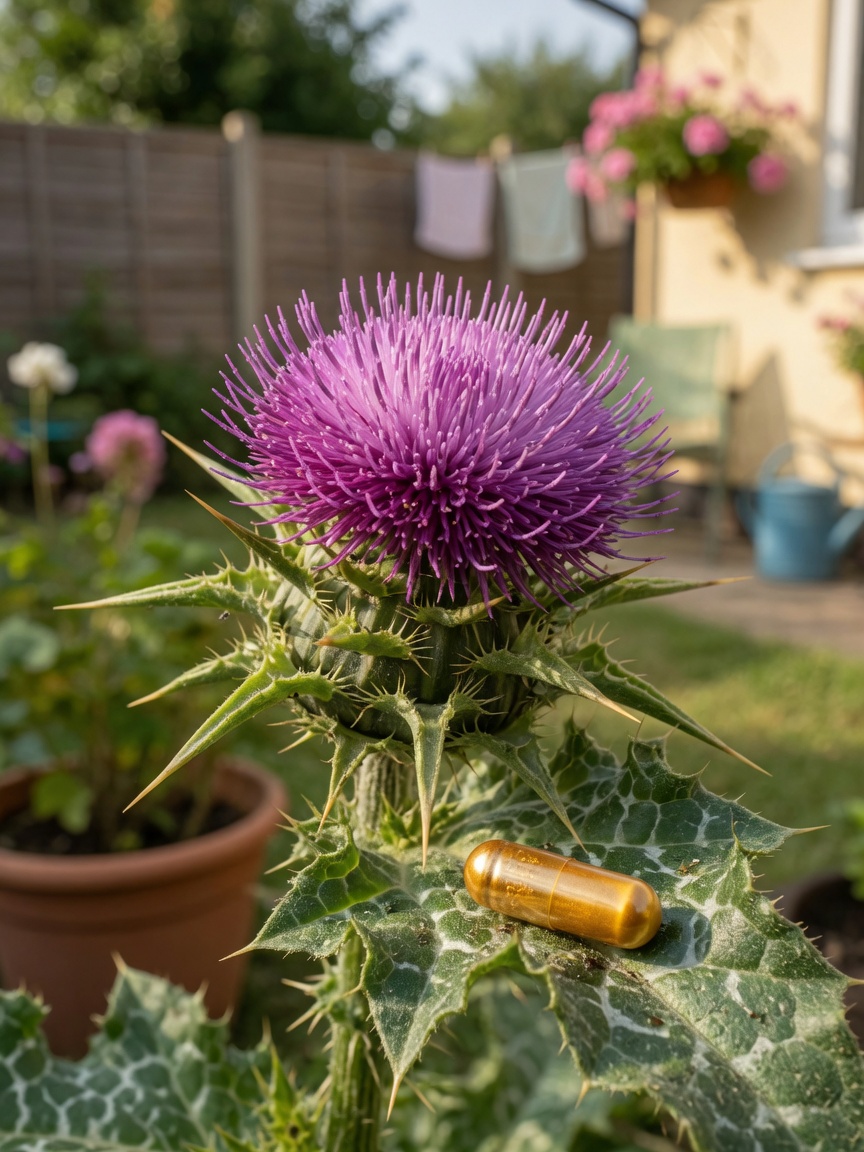
Milk thistle is one of the most studied herbal remedies in veterinary medicine. The active compound, silymarin, is a group of flavonolignans with demonstrated antioxidant, anti-inflammatory, and hepatoprotective (liver-protecting) properties. In vitro and animal studies have shown silymarin can reduce liver cell damage in response to toxins and inflammatory conditions. It is used clinically in dogs as a supportive treatment for liver disease, alongside conventional hepatic therapy, and as a protective agent when dogs are on long-term medications with known liver effects.
Milk thistle is generally considered safe for dogs at appropriate doses and is one of the few veterinary herbal supplements that veterinary surgeons will frequently discuss as a legitimate adjunct therapy. However, "safe" does not mean "without dose considerations" — even well-tolerated supplements can cause problems at high doses, and milk thistle should not replace proper veterinary diagnosis and management of liver disease.
Valerian (Valeriana officinalis) — Anxiety and Stress
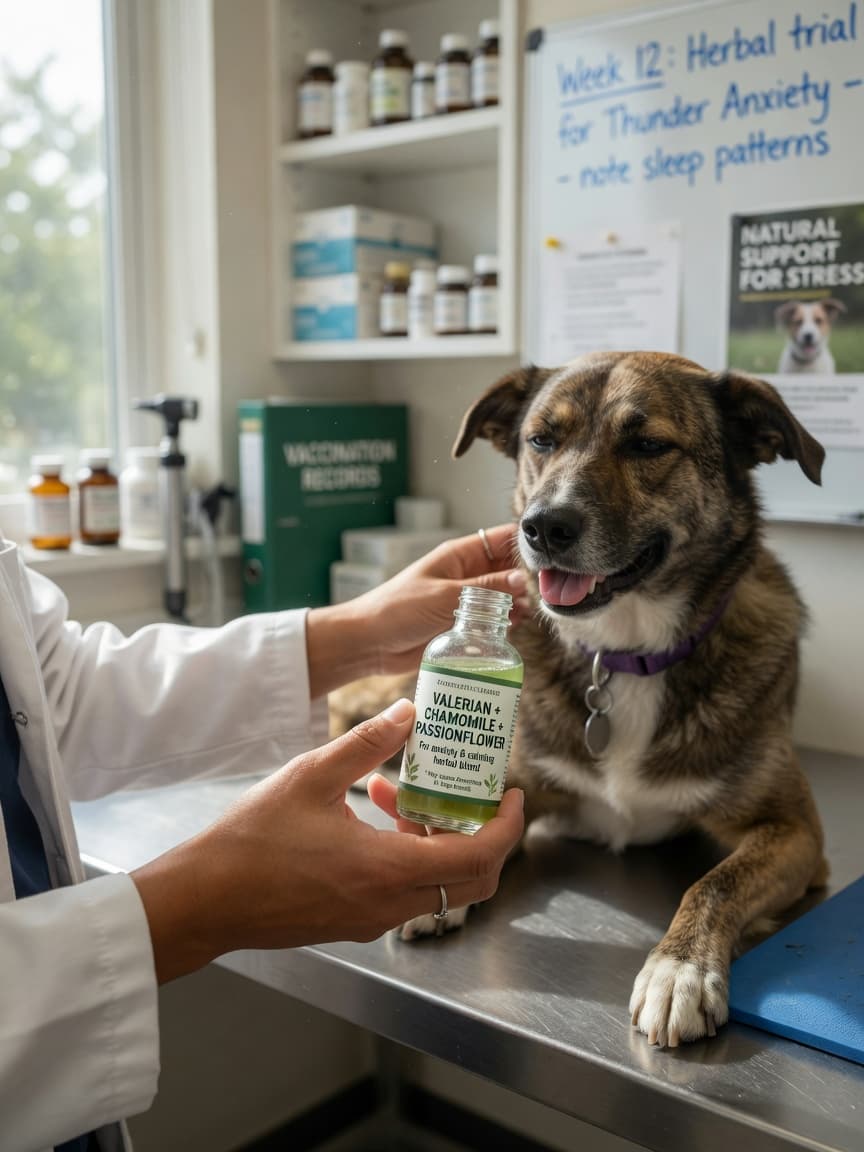
Valerian root is used in both human and animal contexts as a mild anxiolytic (anxiety-reducing) agent. The evidence in pets is limited but suggests some benefit in reducing stress responses in dogs and cats in situations such as travel, fireworks, and veterinary visits. The active compounds are thought to interact with GABA receptors in the nervous system, producing a mild calming effect. Valerian is an ingredient in several licensed veterinary calming products available in the UK. As with all herbal anxiolytics, the effect is mild and may not be sufficient for animals with significant anxiety disorders, for whom veterinary assessment and pharmaceutical intervention may be more appropriate.
Echinacea — Immune Support (Efficacy Debated)
Echinacea is widely marketed as an immune-boosting supplement for pets. The evidence in animal patients is limited and inconsistent. Some studies suggest modest immunostimulatory effects, whilst others show no significant benefit. There are also concerns about appropriate use — long-term continuous use is not recommended even in human medicine, and the concept of "boosting" immunity is a simplification of complex immune regulation. Echinacea should not be given to animals with autoimmune conditions or those on immunosuppressive medications without veterinary guidance.
Herbs and Substances That Are Toxic to Pets
This section covers some of the most important plant-derived toxins for pet owners to be aware of. The list is not exhaustive — many common plants and herbal ingredients pose risks to companion animals, and owners should always verify the safety of any supplement with their vet before use.
Pennyroyal — Toxic to Dogs
Pennyroyal (Mentha pulegium) is a member of the mint family historically used as a flea repellent. Pennyroyal oil contains pulegone, a compound that is toxic to the liver. Dogs exposed to pennyroyal oil — including through topically applied "natural" flea treatments — can develop severe liver failure. Cases of pennyroyal toxicity have been fatal. Despite this well-documented risk, pennyroyal oil continues to appear in some natural flea products. Owners should read ingredient lists carefully and never use any product containing pennyroyal oil on or near their dog.
Garlic — Toxic to Cats and Toxic Even in Small Doses
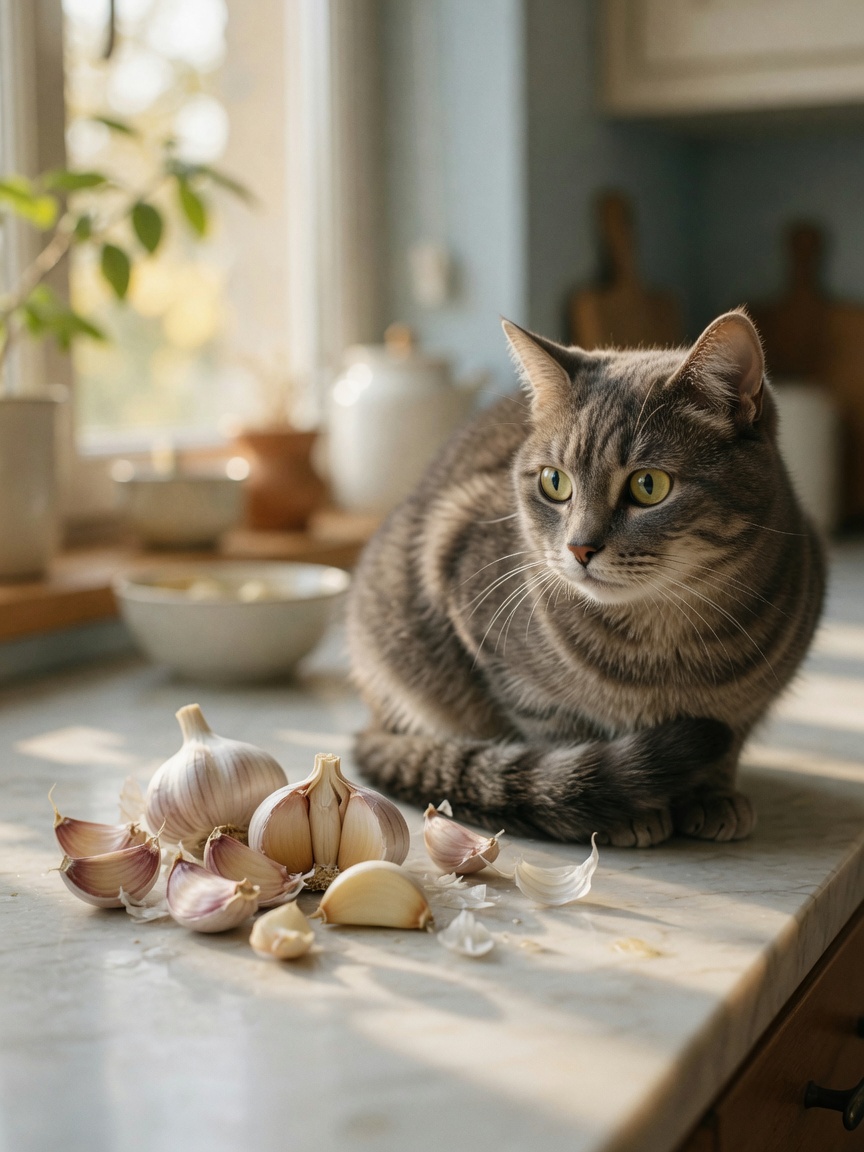
Garlic (and the broader Allium family, including onions, leeks, and chives) contains compounds called thiosulphates that cause oxidative damage to red blood cells in pets, leading to haemolytic anaemia. Cats are significantly more sensitive to Allium toxicity than dogs, but dogs are also at risk. A common misconception is that small amounts of garlic are safe or even beneficial for dogs. This is not supported by veterinary toxicology. Even small repeated doses of garlic can accumulate and cause haematological damage. Garlic supplementation for dogs should be avoided entirely, regardless of anecdotal claims about immune support or flea prevention.
Tea Tree Oil (Melaleuca alternifolia) — Toxic to Cats and Dogs
Tea tree oil is a highly concentrated essential oil with antimicrobial properties. It is found in a wide range of human personal care products and appears in some pet grooming products. Both cats and dogs can be poisoned by tea tree oil — cats are particularly vulnerable due to their limited ability to metabolise certain compounds through hepatic glucuronidation. Signs of toxicity include drooling, lethargy, loss of coordination, tremors, and in severe cases, collapse. Toxicity can occur through skin absorption as well as ingestion. No concentration of tea tree oil can be considered safe for direct application to cats, and even diluted products pose a risk.
Eucalyptus
Eucalyptus oil and plant material is toxic to both cats and dogs. The active compounds — cineole and other terpenes — cause gastrointestinal disturbance, neurological signs, and respiratory depression. Eucalyptus is found in some diffuser oils, natural cleaning products, and herbal remedies. Diffusing eucalyptus oil in a home with cats or dogs poses a real risk, as respiratory exposure can cause signs even without direct contact.
Xylitol in Some Herbal Formulations
Xylitol is a natural sugar alcohol used as a sweetener in a wide range of products. It is severely toxic to dogs, causing hypoglycaemia (dangerously low blood sugar) and potentially acute liver failure, even in small quantities. Xylitol can appear as an ingredient in herbal supplement formulations, tablets, and liquids designed for human use that owners may consider giving to their pets. Always check the full ingredient list of any supplement — human or animal — before administering it to a dog.
The Regulation Gap
In the UK, medicines for human use are regulated by the Medicines and Healthcare products Regulatory Agency (MHRA). Licensed veterinary medicines fall under the remit of the Veterinary Medicines Directorate (VMD). However, herbal supplements for animals — including the vast majority of products sold in pet shops, health food stores, and online — are not classified as veterinary medicines and are therefore not subject to the same regulatory standards. There is no equivalent of the MHRA for veterinary herbal products.
This means that veterinary herbal supplements are not required to demonstrate efficacy, safety, or consistent manufacturing quality before being sold. Label claims may not be substantiated. Dosage recommendations may lack scientific basis. And contamination or variation in active compound concentrations between batches is not routinely monitored. This is a significant gap that owners should be aware of when making purchasing decisions.
Always Tell Your Vet
Perhaps the most important guidance around herbal medicine for pets is this: always disclose every supplement your pet is taking to your veterinarian. This is not about seeking permission — it is about preventing harm. Many herbs interact with conventional medications. Milk thistle can affect the metabolism of certain drugs. St John's Wort, popular for mood support in humans, significantly interacts with a wide range of pharmaceuticals and should never be given to pets without veterinary knowledge. Your vet can only provide safe and effective treatment if they have a complete picture of everything your pet is receiving.
Written by Sarah Bennett