
The Symptom That Looks Strange but Means Something Serious
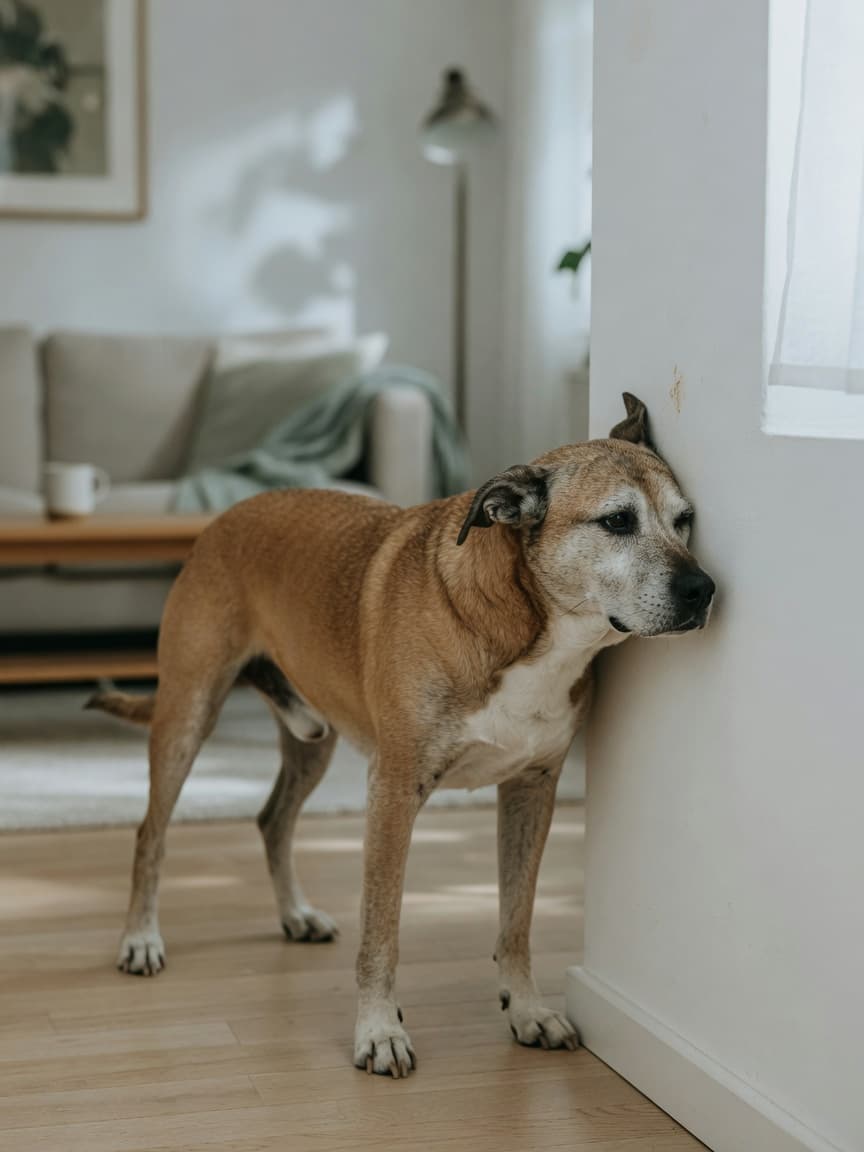
Head pressing is exactly what it sounds like: a dog or cat standing and pushing the top of their head against a wall, corner, floor or piece of furniture — not briefly or playfully, but with sustained, compulsive pressure. It does not look like a pet seeking affection or scratching an itch. It looks wrong, and that instinct is correct. Head pressing is one of the clearest neurological red flags in veterinary medicine, and it requires urgent attention without exception.
Unlike many pet health symptoms that exist on a spectrum from trivial to serious, head pressing has no benign explanation. It is always a sign of neurological dysfunction and always warrants same-day veterinary assessment.
What Is Actually Happening in the Brain
Head pressing occurs when there is damage to or dysfunction of the forebrain — specifically structures including the thalamus and the prosencephalon. These areas are responsible for normal cognitive function, awareness and voluntary movement. When they are compromised, the resulting neurological signals drive the animal to press their head forward compulsively against a surface. The animal is not seeking comfort; they are experiencing a neurological compulsion they cannot control.
The behaviour may occur continuously or intermittently, but in either case it signals that something is actively disrupting normal brain function.
Conditions That Cause Head Pressing
Several serious conditions can produce this symptom, and many of them are time-sensitive emergencies.
Hepatic Encephalopathy
When the liver fails to adequately filter toxins from the bloodstream, ammonia and other waste products accumulate and cross the blood-brain barrier, causing neurological dysfunction. Head pressing is one of the classic presentations of hepatic encephalopathy in both dogs and cats. It is often accompanied by confusion, circling, seizures and behavioural changes. Portosystemic shunts — abnormal blood vessels that bypass the liver — are a common cause in younger animals.
Brain Tumours
Primary brain tumours and tumours that have metastasised from elsewhere in the body can create pressure within the skull that disrupts forebrain function. The symptom may onset gradually alongside other subtle neurological changes, or may appear relatively abruptly if a tumour grows quickly or causes localised swelling.
Hydrocephalus
An abnormal accumulation of cerebrospinal fluid within the brain's ventricles creates dangerous intracranial pressure. Congenital hydrocephalus is seen in young toy breed dogs and brachycephalic cats. Head pressing alongside a domed skull shape, downward-looking eyes and developmental delays should raise immediate suspicion in young animals of susceptible breeds.
Infectious Causes
- Viral encephalitis including canine distemper virus
- Bacterial meningitis or meningoencephalitis
- Fungal infections such as cryptococcosis, particularly relevant in cats
- Toxoplasmosis in immunocompromised cats
Toxin Exposure
A number of toxins including lead, certain rodenticides, and some plant compounds can cause acute neurological dysfunction presenting with head pressing, seizures and disorientation. Exposure history is always worth investigating when onset is sudden.
Stroke
Ischaemic or haemorrhagic strokes occur in pets and can cause sudden onset neurological signs including head pressing, head tilt, circling to one side and loss of balance. Unlike strokes in humans, many dogs recover reasonably well with appropriate support, but prompt diagnosis is still essential.
Other Symptoms That May Accompany Head Pressing
Head pressing rarely appears in complete isolation. Watching for accompanying signs helps the veterinary team direct their investigation efficiently.
- Compulsive circling, often in one direction
- Disorientation and apparent loss of awareness of surroundings
- Seizures or abnormal repetitive movements
- Changes in vision, including apparent blindness or abnormal eye positioning
- Altered pupil size, particularly if pupils are unequal
- Changes in behaviour, including aggression, withdrawal or apparent anxiety
- Loss of previously learned behaviours or apparent cognitive regression
What to Do If You See Head Pressing
Do not wait to see if it resolves. Do not search for home remedies. Head pressing in a dog or cat requires the same approach you would take to a person clutching their chest — contact your vet or an emergency animal hospital immediately.
Practical Steps Before the Vet
- Record a brief video on your phone. This is extremely useful if the behaviour stops by the time you arrive at the clinic.
- Keep the environment calm and reduce stimulation — no loud noises, bright lights or children crowding the animal
- Do not attempt to restrain the animal forcefully if they are disoriented, as this can increase stress and risk of injury
- Note any potential toxin exposure in the home, garden or on recent walks
- Be ready to provide a full medication, vaccination and travel history to the vet
Diagnosis and What to Expect
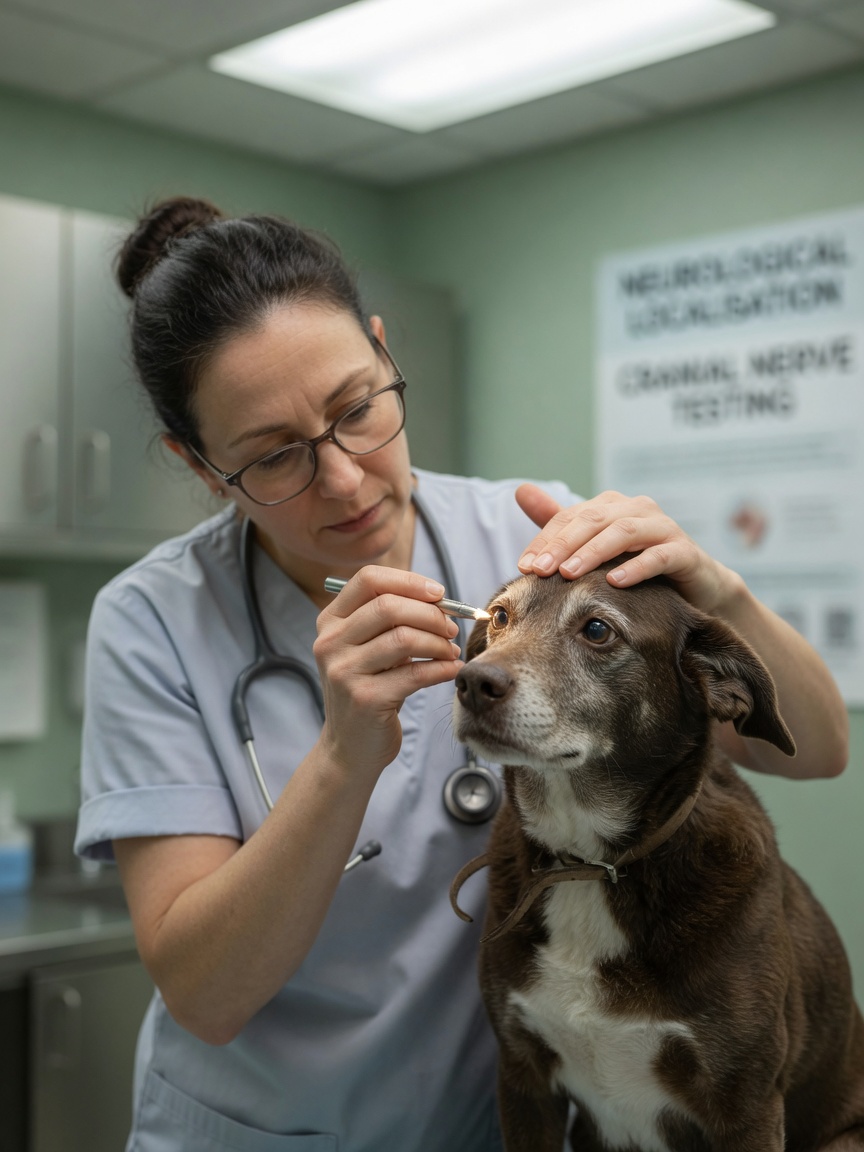
Diagnosing the underlying cause of head pressing typically requires a systematic approach. Your vet will begin with a thorough neurological examination and blood tests including liver function panels, full blood count and biochemistry. Imaging — either CT or MRI — is frequently indicated to visualise brain structure and identify tumours, hydrocephalus or evidence of stroke. Cerebrospinal fluid analysis may follow to investigate infectious or inflammatory causes. In some cases, referral to a veterinary neurologist is the most appropriate path.
Treatment depends entirely on the underlying diagnosis, but the sooner it begins, the better the outcome in most cases. Time genuinely matters with neurological disease.
A Symptom That Demands Urgency
- Head pressing has no harmless explanation — it always indicates neurological dysfunction
- Common causes include hepatic encephalopathy, brain tumours, hydrocephalus, infectious encephalitis, toxin exposure and stroke
- Watch for accompanying symptoms including circling, seizures, vision changes and altered behaviour
- Contact a vet or emergency animal hospital the same day — do not wait
- Record a video if possible and bring full medical history to the appointment
- Early diagnosis dramatically improves treatment options and outcomes for many of the conditions involved