
Some Dogs Have Eaten Grapes for Years Without Obvious Harm. Then One Dose Causes Kidney Failure.
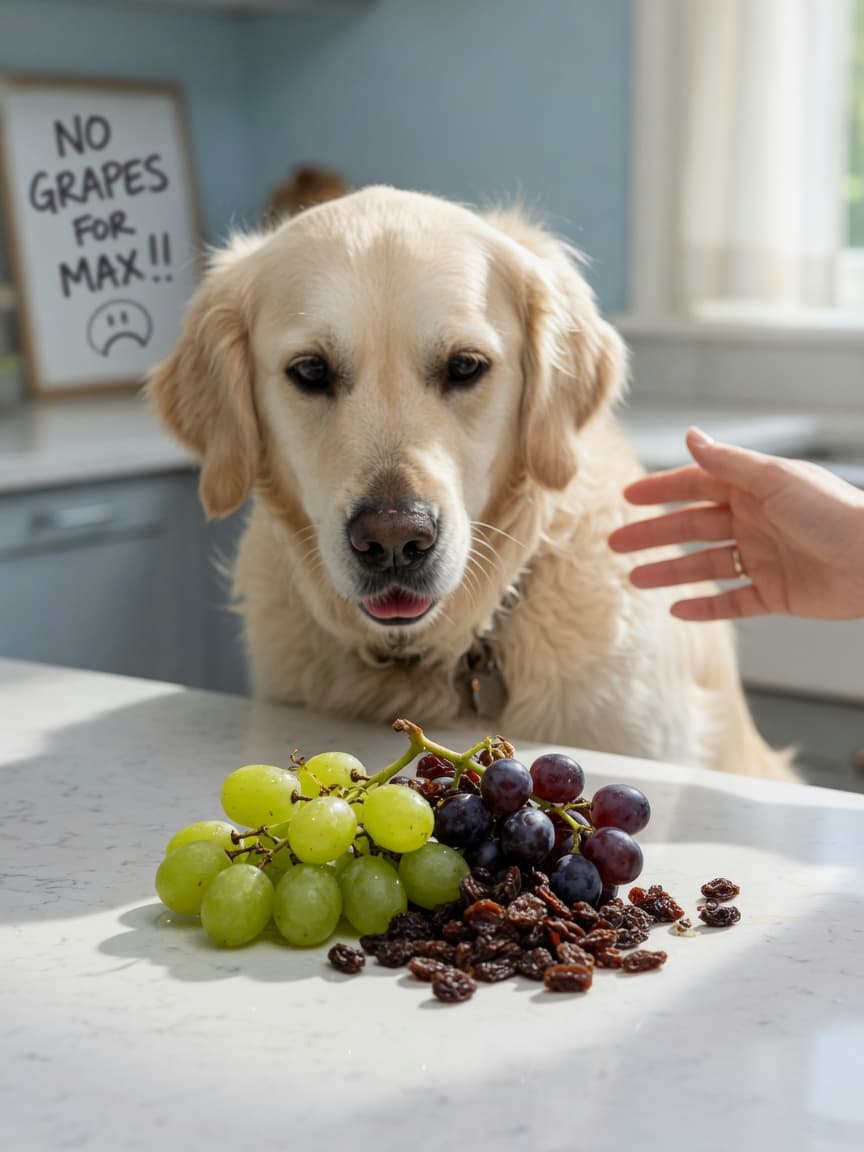
Grape and raisin toxicity in dogs is one of the most confounding problems in veterinary toxicology. The toxic compound has not yet been definitively identified. There is no reliable dose-response relationship — meaning there is no established safe quantity. And the unpredictability is not just between different dogs; the same dog can appear unaffected by multiple exposures and then develop acute kidney injury from a subsequent ingestion. This uncertainty is precisely why the standard veterinary recommendation is clear: no amount is considered safe.
The Scope of the Problem
Grapes, raisins, currants, and sultanas have all been implicated in toxicity cases. This extends to products containing these fruits: Christmas cake, hot cross buns, mince pies, fruit bread, trail mix, and certain cereals and energy bars. Grape juice and wine are theoretically risky as well, though documented cases primarily involve the solid fruit forms. Tamarind is a separate species and has not been implicated.
Reports of toxicity have come from dogs ingesting as few as a single grape, as well as from dogs who ate a kilogram of raisins and survived with treatment. This variability is not explained by body weight alone, nor by the variety of grape, whether it is seeded or seedless, or whether the fruit is fresh, dried, or cooked.
What Actually Happens in the Body
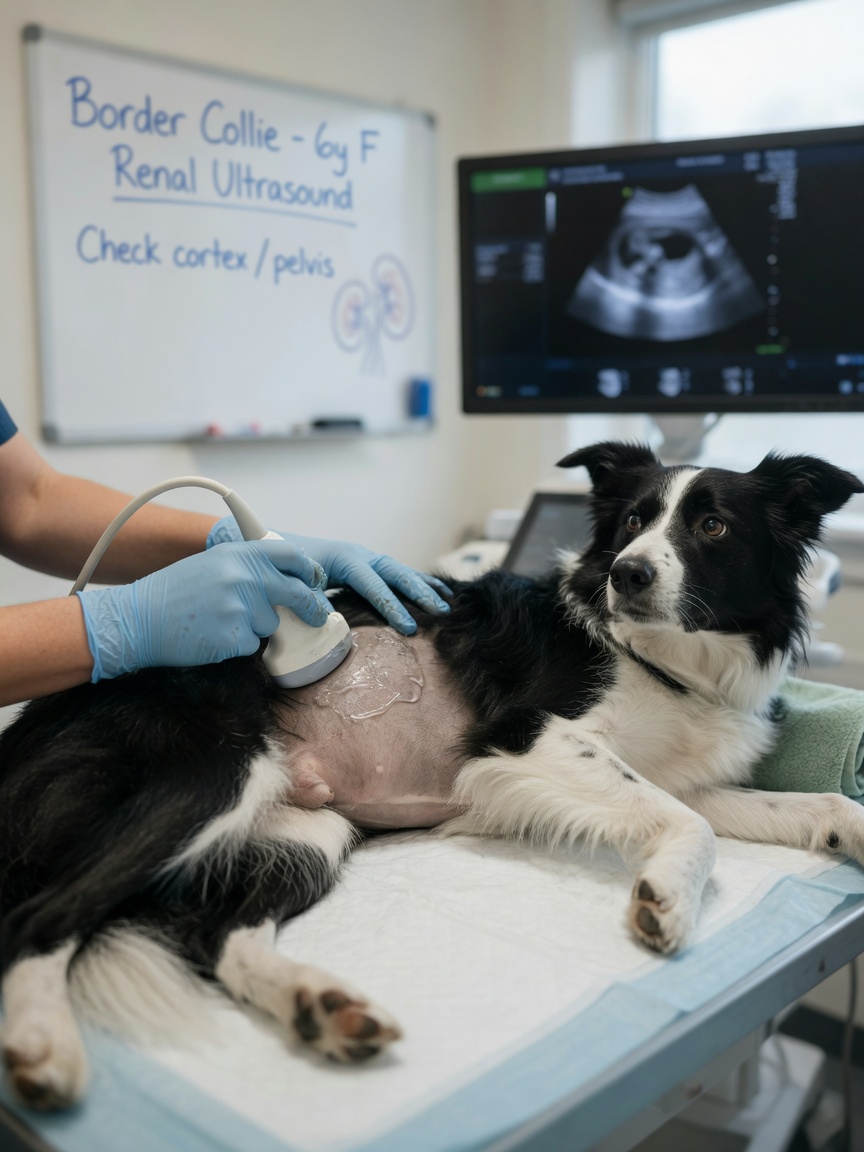
The precise mechanism remains under investigation. Leading hypotheses include the presence of a mycotoxin (mould-derived toxin), a salicylate-like compound, or tartaric acid — the last of which is present in high concentrations in grapes and is known to be nephrotoxic in other species. Whatever the mechanism, the effect is the same: direct tubular damage in the kidneys, leading to acute kidney injury (AKI) in susceptible individuals.
The kidneys lose the ability to filter blood effectively. Toxins, waste products, and fluid accumulate. Without intervention, the dog may become anuric — producing no urine at all — as the tubules shut down completely. At this stage, the prognosis becomes very poor even with aggressive treatment.
Symptoms to Watch For
Gastrointestinal signs typically appear within a few hours of ingestion and include vomiting — often containing fragments of grape or raisin — diarrhoea, abdominal pain, and lethargy. These early signs can be mild enough to dismiss.
If kidney damage progresses, symptoms develop over 24–48 hours:
- Reduced or absent urination
- Increased thirst and urination (paradoxically, in early kidney stress)
- Profound weakness and lethargy
- Loss of appetite and continued vomiting
- Bad breath with a chemical or ammonia-like odour
- Tremors, incoordination, or seizures in severe cases
Blood tests will typically show elevated creatinine, BUN (blood urea nitrogen), and phosphorus, confirming kidney involvement. Urinalysis may reveal casts — tubular cell debris — indicating active kidney damage.
Emergency Response and Treatment
If a dog has ingested any amount of grapes, raisins, currants, or sultanas, contact a vet or the Animal Poison Line (01202 509000) immediately. Do not wait for symptoms to develop. Early decontamination offers the best chance of a good outcome.
Decontamination
If ingestion occurred within the last one to two hours, the vet will typically induce vomiting and may administer activated charcoal to reduce further absorption. This step is time-critical — the window closes as the fruit is digested and the toxin enters circulation.
Supportive Care
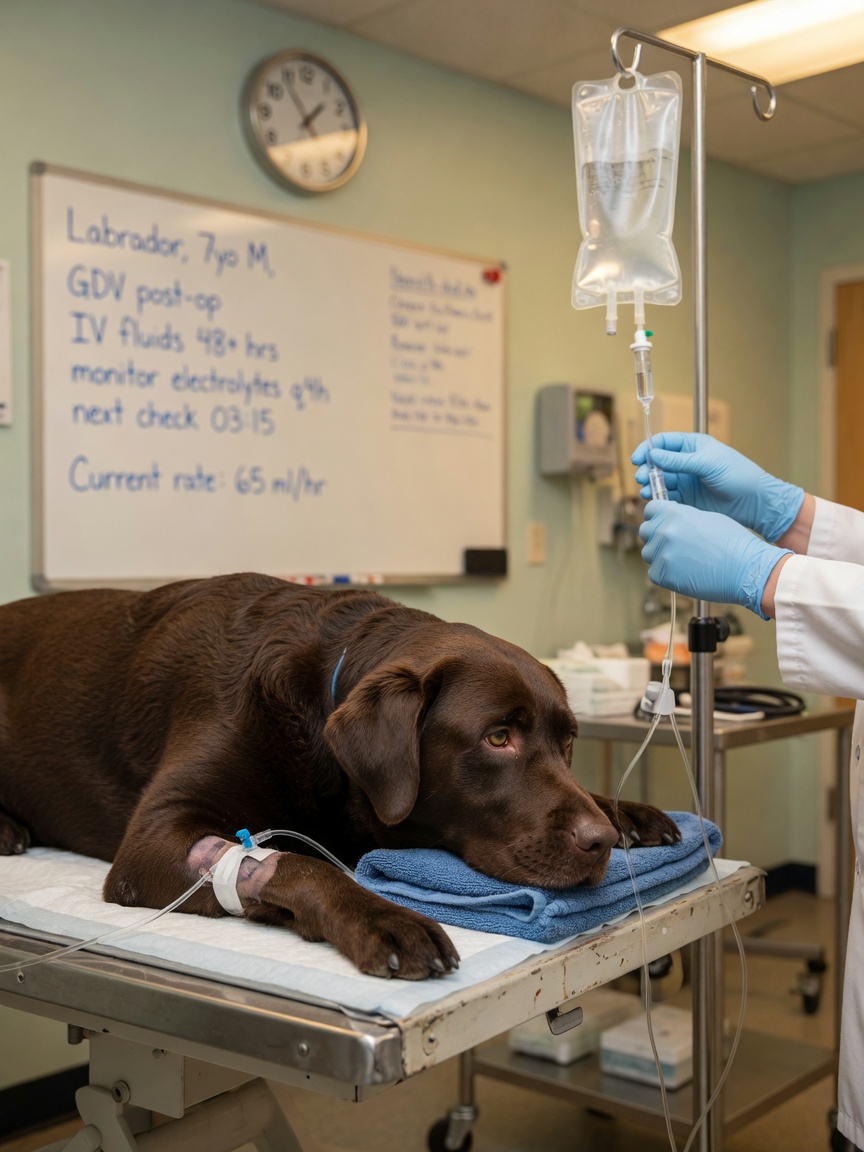
Intravenous fluid diuresis — delivering fluids at a high rate to maintain kidney blood flow and urine output — is the mainstay of treatment. This is typically maintained for a minimum of 48 hours, with kidney values monitored regularly. Drugs to control vomiting and protect the gastrointestinal tract are given alongside fluids. Dogs with severely impaired kidney function may require dialysis, which is available at specialist referral centres in the UK.
Prognosis and the Honest Outlook
Dogs treated promptly before kidney values rise have a good prognosis. Dogs presenting with established AKI and anuria face significantly higher mortality rates. Even in survivors, some degree of permanent kidney damage is possible. The frustrating truth is that you cannot predict in advance whether your individual dog will be one of those who suffers severe effects from a small amount — and this is why no exposure should be treated as trivial.
Practical Steps to Protect Your Dog
- Treat all grape and raisin products as strictly off-limits, regardless of the quantity involved
- Be especially vigilant around seasonal baked goods — hot cross buns, Christmas cake, and mince pies are common sources of accidental raisin ingestion
- Educate children and visitors not to share these foods with dogs
- Store dried fruit and trail mix in sealed containers out of reach
- If ingestion occurs or is suspected, call your vet immediately — time is the most important factor in outcome
- Always consult a vet before concluding that any amount is harmless, even if your dog has been exposed before without apparent ill effect