
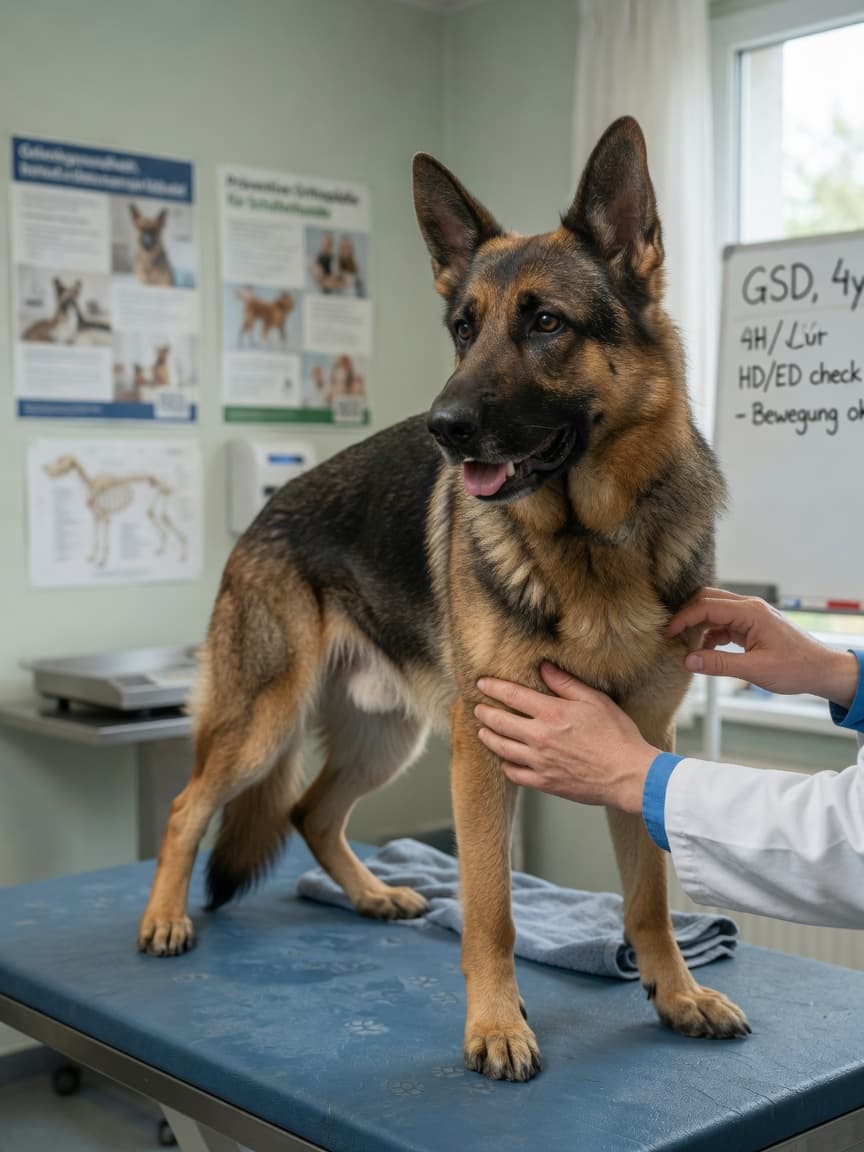
German Shepherd Dog: Breed Overview
The German Shepherd Dog (GSD) is classified under FCI Group 1, Number 166 — Sheepdogs and Cattledogs. Originally developed in Germany by Captain Max von Stephanitz in the late nineteenth century, the breed was designed as a versatile working dog combining intelligence, trainability and physical endurance. Today, German Shepherds serve as police dogs, search-and-rescue dogs, guide dogs and devoted family companions. Their typical lifespan is nine to thirteen years, though individual health outcomes depend heavily on genetics, diet and preventive care.
Hip and Elbow Dysplasia
Hip dysplasia is one of the most significant hereditary conditions in the German Shepherd, characterised by abnormal development of the hip joint that leads to arthritis and chronic pain. The British Veterinary Association and Kennel Club jointly operate the BVA/KC Hip Dysplasia Scheme, which scores both hips from zero to 106 — lower scores indicate healthier joints. Responsible breeders should screen all breeding stock, and prospective owners are strongly advised to request the hip scores of both parents before purchasing a puppy.
Elbow dysplasia, a collective term for several developmental abnormalities affecting the elbow joint, is also prevalent in the breed. The BVA/KC Elbow Dysplasia Scheme grades elbows from zero to three, with grade zero being unaffected. Both hip and elbow conditions worsen without management, so maintaining a lean body weight and providing appropriate low-impact exercise throughout puppyhood is essential.
Degenerative Myelopathy

Degenerative myelopathy (DM) is a progressive neurological disease of the spinal cord that typically appears in dogs over seven years of age. It begins with weakness and incoordination in the hind limbs and can advance to complete paralysis. The condition is associated with a mutation in the SOD1 gene, and a DNA test is available through Laboklin to identify whether a dog is clear, a carrier or at-risk. While carrying two copies of the mutation does not guarantee the disease will develop, testing breeding animals helps reduce the risk of producing affected offspring.
Exocrine Pancreatic Insufficiency
Exocrine pancreatic insufficiency (EPI) is particularly common in German Shepherds compared with most other breeds. The condition occurs when the pancreas fails to produce sufficient digestive enzymes, leading to malabsorption of nutrients. Affected dogs typically present with weight loss, voluminous loose stools and a ravenous appetite despite eating well. EPI is managed with lifelong pancreatic enzyme supplementation added to meals. Early diagnosis through a serum trypsin-like immunoreactivity (TLI) test is straightforward, and most dogs respond well to treatment.
Bloat and Gastric Dilatation-Volvulus
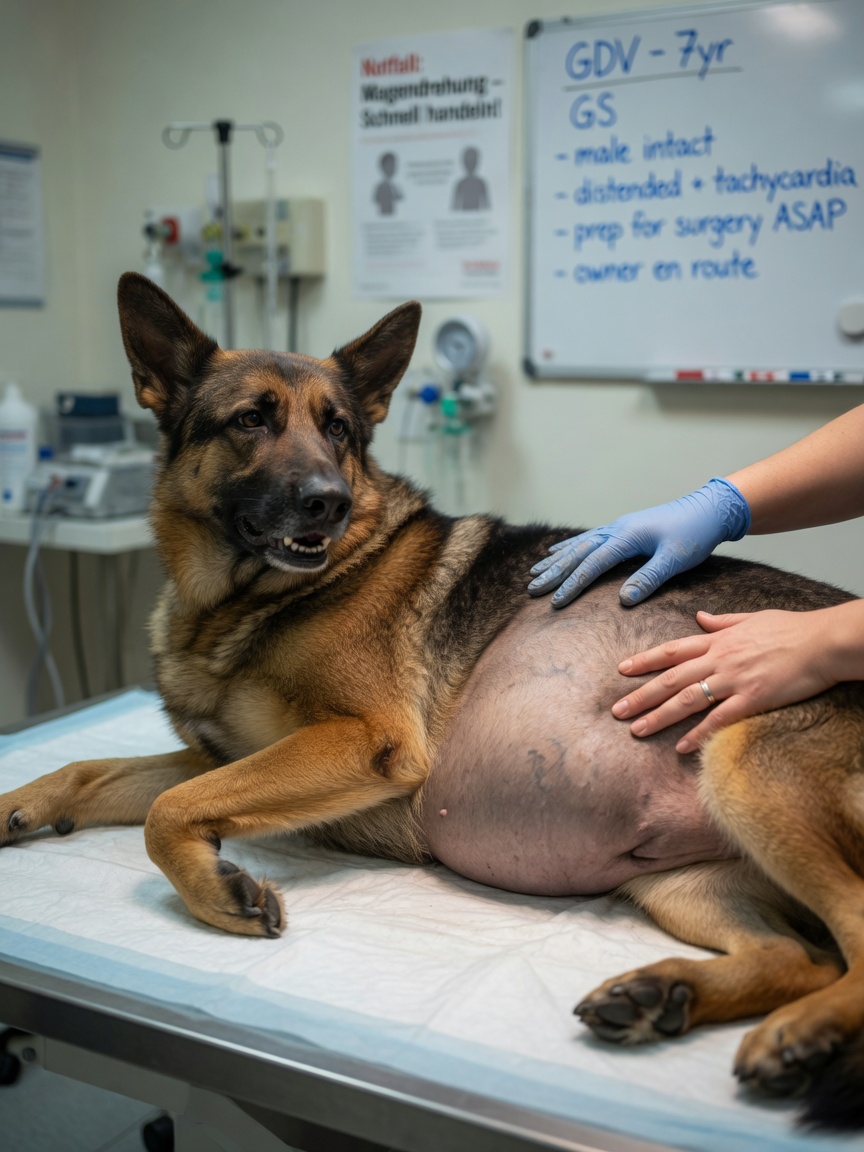
As a large, deep-chested breed, the German Shepherd carries an elevated risk of gastric dilatation-volvulus (GDV), commonly known as bloat. This life-threatening condition occurs when the stomach fills with gas and twists on itself, cutting off blood supply. Symptoms include unproductive retching, a distended abdomen and signs of distress. GDV requires immediate emergency veterinary treatment. Owners can reduce — though not eliminate — the risk by feeding two or three smaller meals daily rather than one large meal, avoiding vigorous exercise immediately before and after feeding, and discussing prophylactic gastropexy with their vet.
Perianal Fistula
Perianal fistula, also known as anal furunculosis, is a painful chronic inflammatory condition involving the formation of tunnel-like lesions around the anus. It is strongly overrepresented in German Shepherds and is thought to have an immune-mediated component. Signs include scooting, licking at the tail area, discomfort when sitting and a distinctive odour. Treatment typically involves immunosuppressive medication; in some cases surgical intervention is also required. The condition is manageable but often requires long-term care.
DNA Screening for German Shepherds
Beyond the DM test, responsible breeders and owners may wish to consider a broader genetic health panel. Laboklin offers multi-breed panels that include degenerative myelopathy alongside other heritable conditions. While no DNA test can guarantee a perfectly healthy dog, screening significantly informs breeding decisions and helps owners anticipate potential health needs.
Parasite Prevention: ESCCAP Guidelines
German Shepherds used in working or sporting roles spend considerable time outdoors, increasing their exposure to parasites. The European Scientific Counsel Companion Animal Parasites (ESCCAP) recommends year-round flea and tick prevention for dogs with regular outdoor access. Ticks in the UK carry the risk of Lyme disease and other tick-borne infections, so prompt removal and appropriate preventive products are important. Regular faecal examinations for intestinal worms are advised, with anthelmintic treatment frequency based on individual lifestyle risk factors. Dogs that hunt or scavenge should be treated more frequently, typically every one to three months.
Lungworm (Angiostrongylus vasorum) is also a growing concern in many parts of the UK. German Shepherds that eat slugs or snails — knowingly or accidentally — are at risk. A licensed prescription product effective against lungworm should be discussed with your vet.
Nutrition, Weight Management and Supplies
Maintaining an appropriate body weight is one of the most impactful things an owner can do to protect a German Shepherd's joints and overall health. A dog that is even slightly overweight places considerably more stress on already vulnerable hips and elbows. High-quality large-breed food formulated with controlled calcium and phosphorus levels during growth is advisable for puppies. Joint supplements containing glucosamine and omega-3 fatty acids may be beneficial in adult and senior dogs, particularly those with known hip scores.
Zooplus is a reliable and cost-effective source for large-breed dry food, joint supplements, puzzle feeders — which help slow mealtimes and may reduce bloat risk — and grooming tools suited to the GSD's dense double coat.
Routine Health Care
Annual veterinary check-ups are important for monitoring weight, dental health and early signs of degenerative joint disease. Senior German Shepherds — those over seven years of age — benefit from twice-yearly examinations and targeted blood panels to catch conditions such as EPI, hypothyroidism and early organ changes. Dental hygiene, including regular tooth brushing or veterinary dental chews, should form part of the routine from puppyhood.
The German Shepherd is a breed that thrives with purpose and structure. With proper screening, thoughtful nutrition, consistent parasite prevention and attentive veterinary care, owners can support a long, active and comfortable life for their dog.