
The German Shepherd: A Working Breed With Specific Vulnerabilities
German Shepherds are among the most capable, versatile, and intelligent dogs ever developed. They serve as police and military working dogs, guide dogs, search and rescue animals, and devoted family companions. Their drive and physical capability are extraordinary — but selective breeding for working ability, combined with certain physical traits, has left the breed with a distinct set of health predispositions that every owner should know.
Understanding these conditions is not cause for alarm. It is the foundation of responsible ownership and proactive care.
Hip Dysplasia: The Breed's Most Recognised Condition

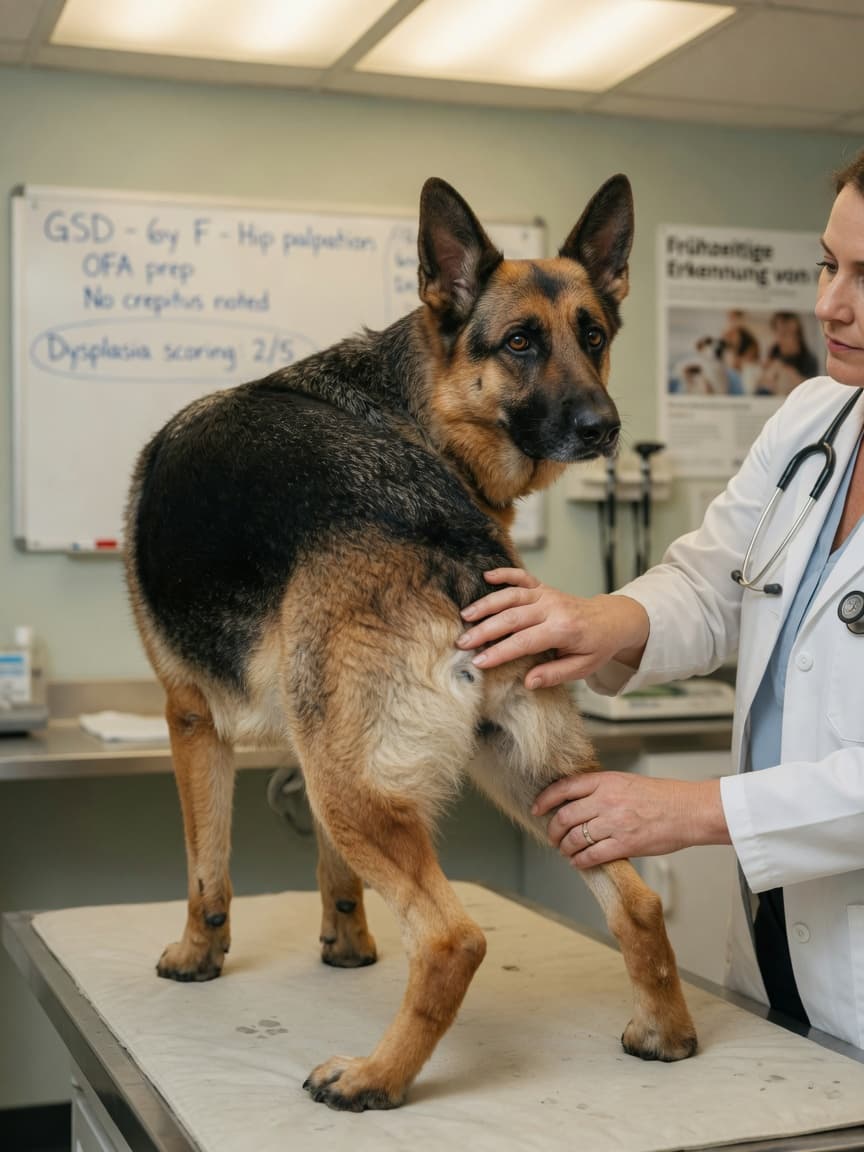
Hip dysplasia is so strongly associated with German Shepherds that many people assume it is inevitable. It is not — but the genetic risk is genuinely elevated. Hip dysplasia occurs when the hip joint develops abnormally, causing the head of the femur to fit loosely in the socket. Over time, this leads to cartilage breakdown, bone remodelling, and painful osteoarthritis.
The condition has both genetic and environmental components. Even genetically predisposed dogs can develop better hip health if they are raised appropriately — avoiding excessive high-impact exercise as puppies, maintaining an ideal body weight, and being fed a diet that supports controlled growth.
Signs and Management
- Stiffness after rest, particularly first thing in the morning
- Reluctance to climb stairs or jump into the car
- A swaying or rolling gait in the hindquarters
- Muscle wastage in the hind legs
Management depends on severity and ranges from physiotherapy, hydrotherapy, and anti-inflammatory medication to surgical intervention including total hip replacement. Always buy from breeders who health-test with BVA hip scoring and choose breeding pairs with scores well below the breed mean score.
Degenerative Myelopathy
Degenerative myelopathy (DM) is a progressive neurological disease affecting the spinal cord. It typically begins in dogs aged seven to nine years and initially causes weakness and incoordination in the hind legs. As it advances, it leads to complete paralysis of the hindquarters, and eventually affects the forelimbs and other body systems.
DM is caused by a mutation in the SOD1 gene, and German Shepherds are one of the breeds most commonly affected. There is currently no cure or proven treatment to halt progression. However, physiotherapy and assisted exercise can help maintain muscle mass and quality of life in the early stages.
Genetic Testing
DNA testing can identify whether a dog carries zero, one, or two copies of the DM mutation. Dogs with two copies (homozygous) are at risk of developing the disease. Responsible breeders test for this mutation and avoid breeding two carriers together. Owners of at-risk dogs should discuss early monitoring with their vet and consider working with a veterinary rehabilitation specialist.
Exocrine Pancreatic Insufficiency (EPI)
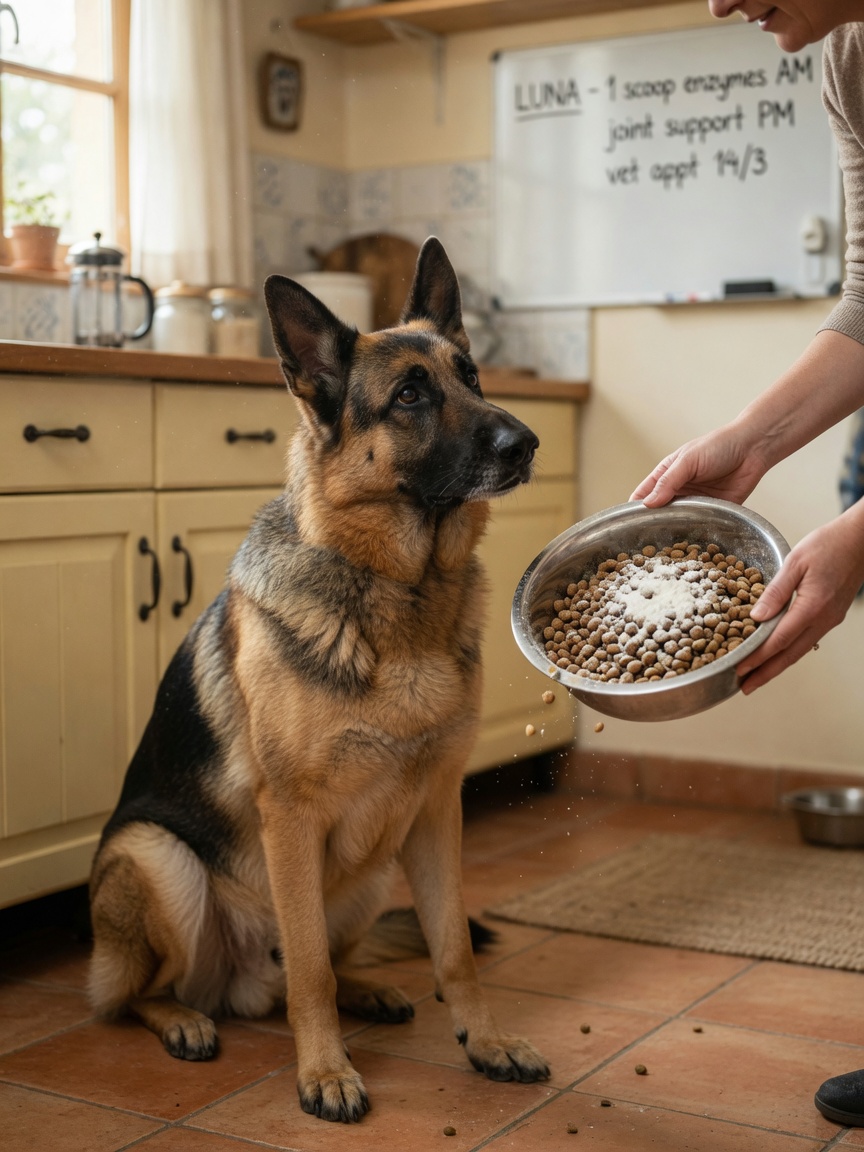
German Shepherds are the breed most commonly diagnosed with exocrine pancreatic insufficiency — a condition in which the pancreas fails to produce sufficient digestive enzymes. Without these enzymes, the dog cannot properly digest and absorb nutrients from food, regardless of how much they eat.
Classic signs include dramatic weight loss despite a voracious appetite, voluminous pale or yellowish stools, and a dull, poor coat. Some dogs develop pica (eating unusual items) or coprophagia (eating faeces) as a result of nutritional deficiency.
EPI is manageable but not curable. Treatment involves supplementing every meal with powdered pancreatic enzyme extract. Many dogs with EPI respond very well to treatment and go on to live normal lives, though management is lifelong. Vitamin B12 (cobalamin) deficiency often accompanies EPI and requires separate supplementation by injection.
Bloat and Gastric Dilatation-Volvulus (GDV)
GDV is one of the most acute emergencies in veterinary medicine. The stomach fills with gas and then twists on itself, cutting off blood supply. Without emergency surgery, it is fatal within hours. German Shepherds, being deep-chested large breeds, are at elevated risk.
Reducing the Risk
- Feed two or three smaller meals per day rather than one large meal
- Avoid vigorous exercise for at least an hour before and after eating
- Do not elevate food bowls — despite longstanding advice to the contrary, elevated bowls have been associated with increased GDV risk in large breeds in some research
- Discuss prophylactic gastropexy (a surgical procedure to permanently attach the stomach to the body wall) with your vet, particularly if you have a high-risk dog
Signs of bloat include a distended abdomen, unproductive retching, restlessness, drooling, and sudden collapse. This is always an emergency — go to the nearest veterinary clinic immediately.
Skin Conditions and Allergies
German Shepherds are prone to several skin issues, including atopic dermatitis, hot spots, and a condition called German Shepherd pyoderma — a recurrent bacterial skin infection that can be difficult to resolve without addressing the underlying cause.
Regular grooming is essential for this double-coated breed. Daily brushing during heavy shedding periods, combined with a diet rich in omega-3 fatty acids, supports skin barrier function. If your dog develops recurring skin infections, a veterinary dermatology referral can help identify whether allergies, immune dysfunction, or another underlying issue is driving the problem.
Eye and Ear Health
Pannus (chronic superficial keratitis) is an immune-mediated eye condition seen more frequently in German Shepherds than most other breeds. It causes pigmented, vascular tissue to grow across the cornea and can progress to significant vision impairment if untreated. Management with topical immunosuppressant eye drops is generally effective when started early.
The upright, open ears of the German Shepherd allow good airflow, which generally reduces the risk of ear infections compared to floppy-eared breeds. However, ears should still be checked weekly and cleaned gently when needed.
Building a Long-Term Health Plan
German Shepherds typically live ten to thirteen years. A proactive health plan that includes twice-yearly veterinary visits from middle age, appropriate weight management, regular exercise that is adapted as the dog ages, and genetic screening for DM and hip dysplasia gives your dog the best possible foundation for a full, active life.