
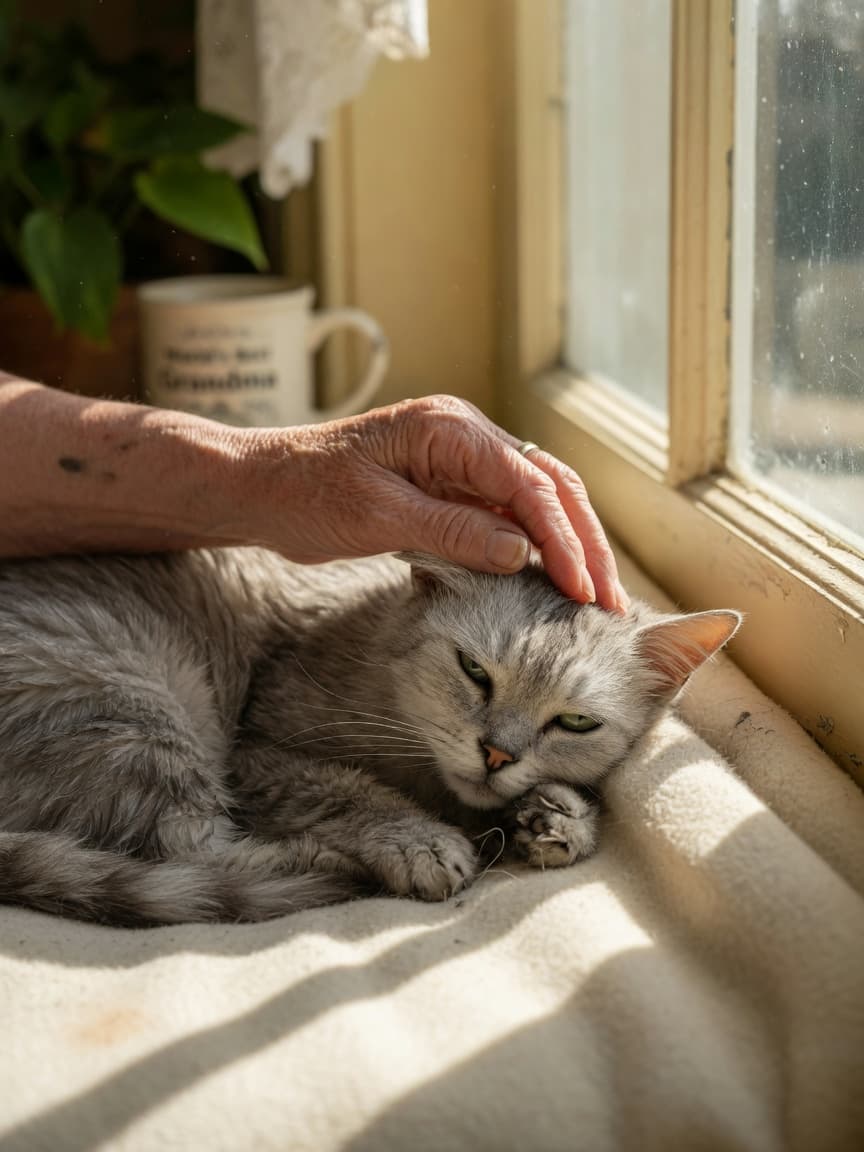
The Geriatric Cat: Aged 15 and Over
The International Society of Feline Medicine classifies cats aged 15 years and over as geriatric. Reaching this age is an achievement that reflects decades of good care, but it also brings a new set of medical complexities. Most geriatric cats are managing not one but several concurrent conditions simultaneously, and the interaction between those conditions — and the drugs used to treat them — requires careful, ongoing veterinary management.
Advances in nutrition, preventive healthcare, and veterinary medicine mean that more cats than ever are reaching their late teens and even their early twenties. For owners of these remarkable animals, understanding what geriatric care involves is essential to providing a good quality of life in these final years.
Polypharmacy: The Challenge of Multiple Conditions
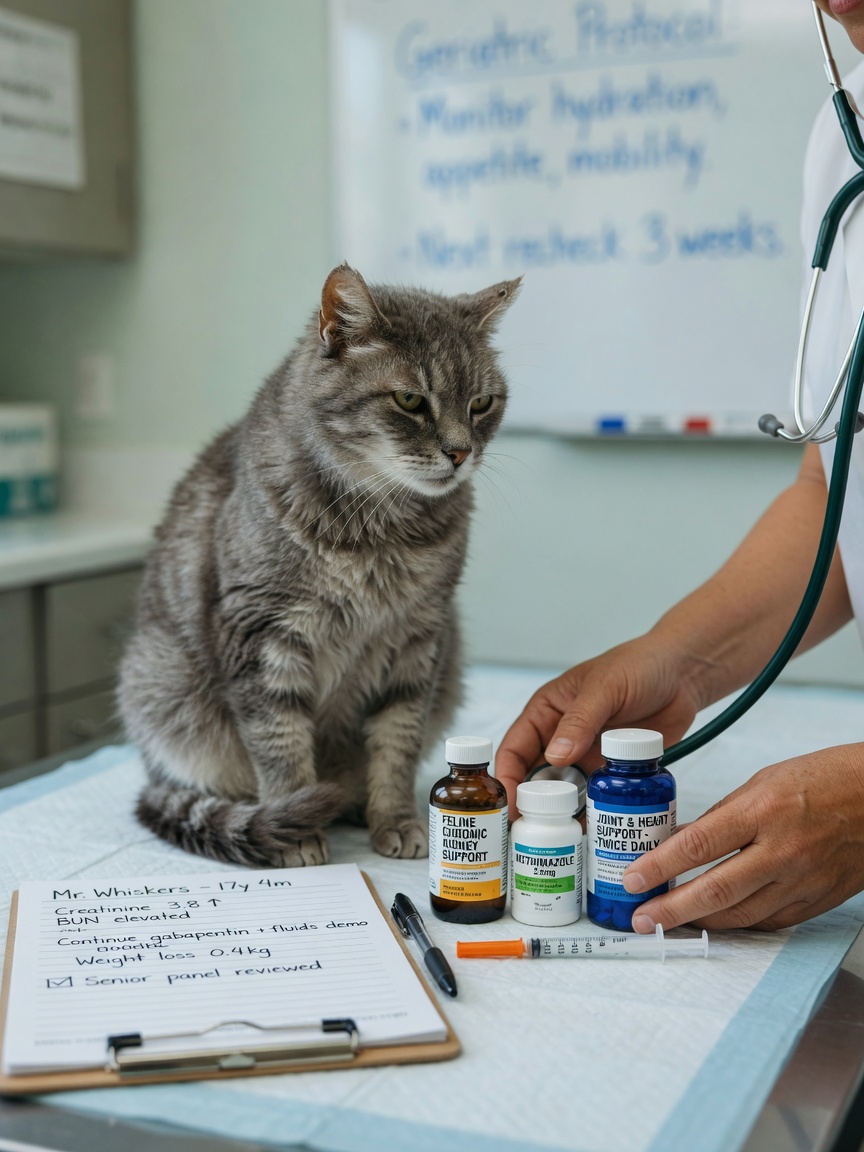
Polypharmacy refers to the concurrent use of multiple medications and is an increasing reality in geriatric cat management. A cat aged 15 or over may be receiving treatment for chronic kidney disease, hypertension, hyperthyroidism, arthritis, and dental pain simultaneously. Each drug is prescribed for a legitimate clinical reason, but the combination creates complexity.
Drug Interactions in Geriatric Cats
One of the most clinically significant interactions in geriatric cats involves the combination of NSAIDs, CKD, and hypertension. Non-steroidal anti-inflammatory drugs such as meloxicam reduce prostaglandin synthesis, which in a healthy cat is not problematic. In a cat with compromised kidney function, however, prostaglandins play an important role in maintaining renal blood flow. Reducing them can accelerate kidney decline. If that same cat also has hypertension, the picture becomes more complex still — managing blood pressure while protecting kidney function while also controlling pain requires careful titration and regular monitoring.
Other interactions worth noting include the effect of some medications on appetite, which is already commonly reduced in geriatric cats, and the cumulative sedative effects that can occur when multiple drugs affecting the central nervous system are used together. Your vet should review the full medication list at every visit and discuss whether each drug is still appropriate as your cat's condition evolves.
Regular blood and urine monitoring — typically every three to six months in a geriatric cat on multiple medications — is essential to detect early signs of drug-related organ stress.
Quality of Life Assessment: The HHHHHMM Scale
Quality of life assessment is one of the most important tools available to owners and vets caring for geriatric cats. The HHHHHMM scale, developed by veterinary oncologist Dr Alice Villalobos, provides a structured and repeatable framework for evaluation.
The seven categories assessed are:
- Hurt — is pain adequately controlled?
- Hunger — is the cat eating enough to maintain a reasonable body condition?
- Hydration — is the cat adequately hydrated?
- Hygiene — can the cat be kept clean and comfortable?
- Happiness — does the cat show interest in life, interaction, and favourite activities?
- Mobility — can the cat move enough to satisfy basic needs and engage with their environment?
- More good days than bad — overall, is the balance of experience positive?
Each category is scored from one to ten, giving a maximum total of 70. A score consistently above 35 is generally considered to indicate an acceptable quality of life. Completing this assessment regularly — and discussing the scores openly with your vet — helps track trends over time rather than relying on single snapshots.
Palliative Care Versus Curative Approach
In a geriatric cat, the appropriateness of pursuing curative or aggressive treatment for new diagnoses must be considered carefully. A palliative approach focuses on maintaining comfort, managing symptoms, and preserving quality of life, rather than pursuing treatments aimed at cure or significant life extension.
This is not a lesser approach. For many geriatric cats, palliative care is the most appropriate and most compassionate choice. Factors to consider include the cat's overall resilience, the burden of existing conditions and medications, the invasiveness of proposed treatments, the likelihood of meaningful benefit, and the cat's stress response to veterinary visits and procedures.
For example, a new cancer diagnosis in a 17-year-old cat with CKD, hypertension, and cognitive dysfunction may prompt a different treatment conversation than the same diagnosis in an otherwise healthy 10-year-old. There is no universal right answer — these decisions should be made collaboratively between the owner and the veterinary team, with the cat's experience at the centre.
Hospice Care at Home
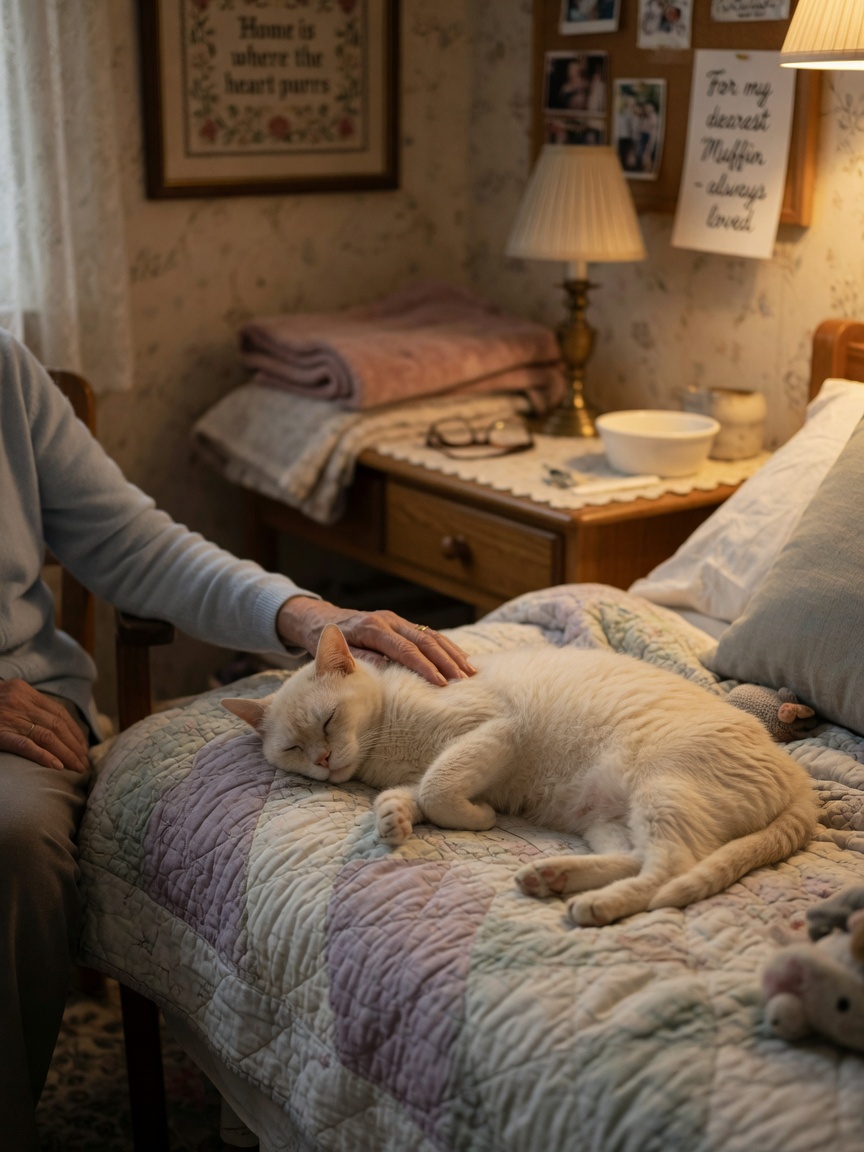
Feline hospice care — sometimes called comfort care or end-of-life care — is an approach that prioritises the cat's experience in the final weeks or months of life, typically at home in a familiar and low-stress environment. It involves close symptom monitoring, regular communication with the veterinary team, pain management, nutritional support, and thoughtful attention to the cat's physical comfort and emotional wellbeing.
Practical aspects of hospice care include ensuring the cat has warm, accessible resting spots, minimising stressful events, maintaining familiar routines, and keeping food and water easily reachable. Some vets offer home visits for elderly cats who find clinic visits distressing, which can make monitoring and medication adjustments far less burdensome.
Euthanasia Decision-Making
For many owners, deciding when euthanasia is the right choice is the most difficult aspect of caring for a geriatric cat. It is worth reframing the question: rather than asking whether the cat is still alive, ask whether the cat is still living in a way that holds meaning and comfort for them.
Signs that quality of life has deteriorated beyond what can reasonably be managed include uncontrolled pain, inability to eat or drink, loss of bladder and bowel control without distress, complete withdrawal from interaction, and a persistent pattern of more bad days than good.
Euthanasia, when the time is right, is an act of profound kindness. Many vets are able to arrange home euthanasia for cats who would find a clinic visit distressing at this stage of their life, allowing the cat to pass peacefully in familiar surroundings. Speak openly with your vet about your concerns and your cat's specific circumstances — this is a decision that benefits enormously from the support of an experienced professional who knows your cat.