
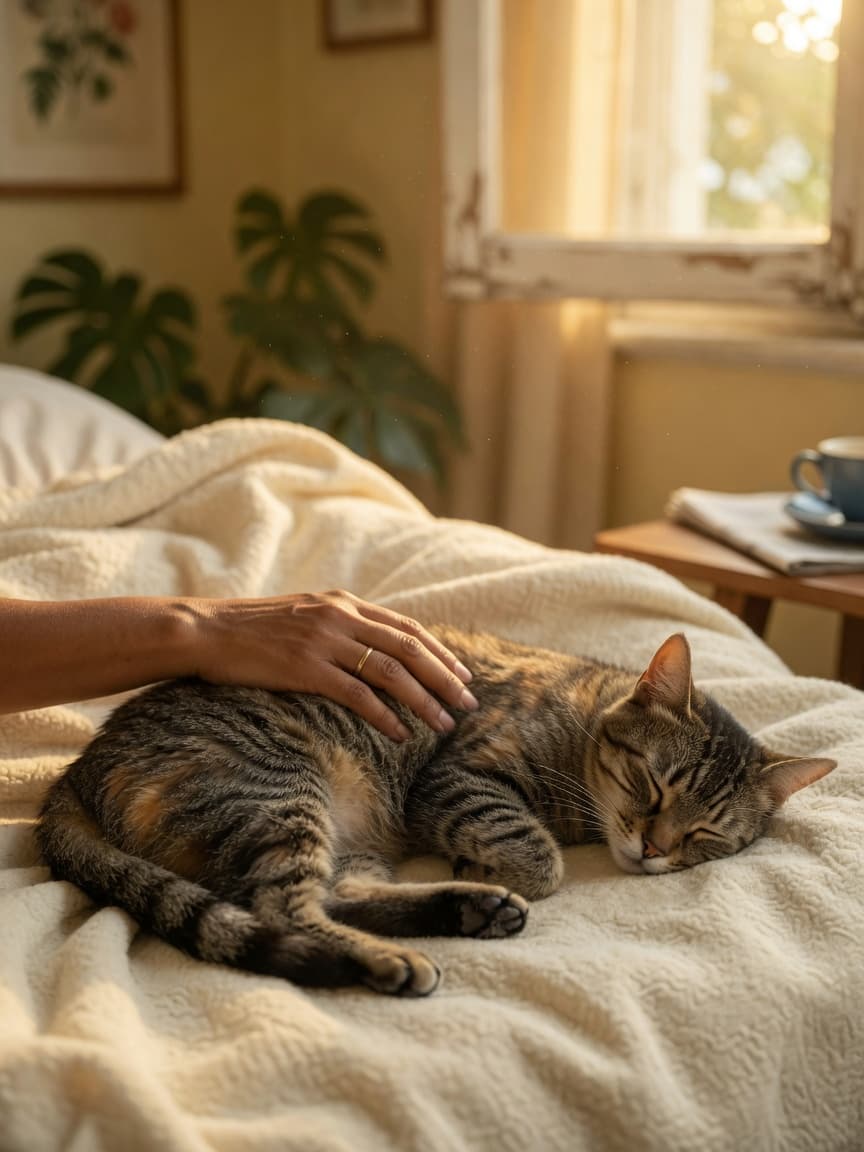
End-of-Life Care for Cats: Palliative Support, Pain Management and Knowing When
Caring for a cat through serious illness or the final stages of life is one of the most difficult experiences an owner can face. The decisions are rarely simple, the emotional weight is considerable, and the path forward is not always clear. But good end-of-life care — grounded in honest assessment, appropriate pain management, and a clear understanding of your cat's quality of life — makes an enormous difference to your cat's experience in these final weeks and months.
What Palliative Care Means for Cats
Palliative care is not the same as giving up. It is a philosophy of care focused on comfort, dignity, and the best possible quality of life when cure is no longer the goal — or when the burden of curative treatment outweighs its benefits. In cats with terminal illness, whether from cancer, advanced organ failure, or another serious condition, palliative care shifts the emphasis from treating the disease to supporting the individual animal.
This approach is not passive. It is active, thoughtful management of symptoms, including pain, nausea, breathlessness, and loss of appetite, combined with attention to the things that matter most to your cat: rest, warmth, familiar surroundings, and the presence of trusted people.
Pain Management: The Central Priority
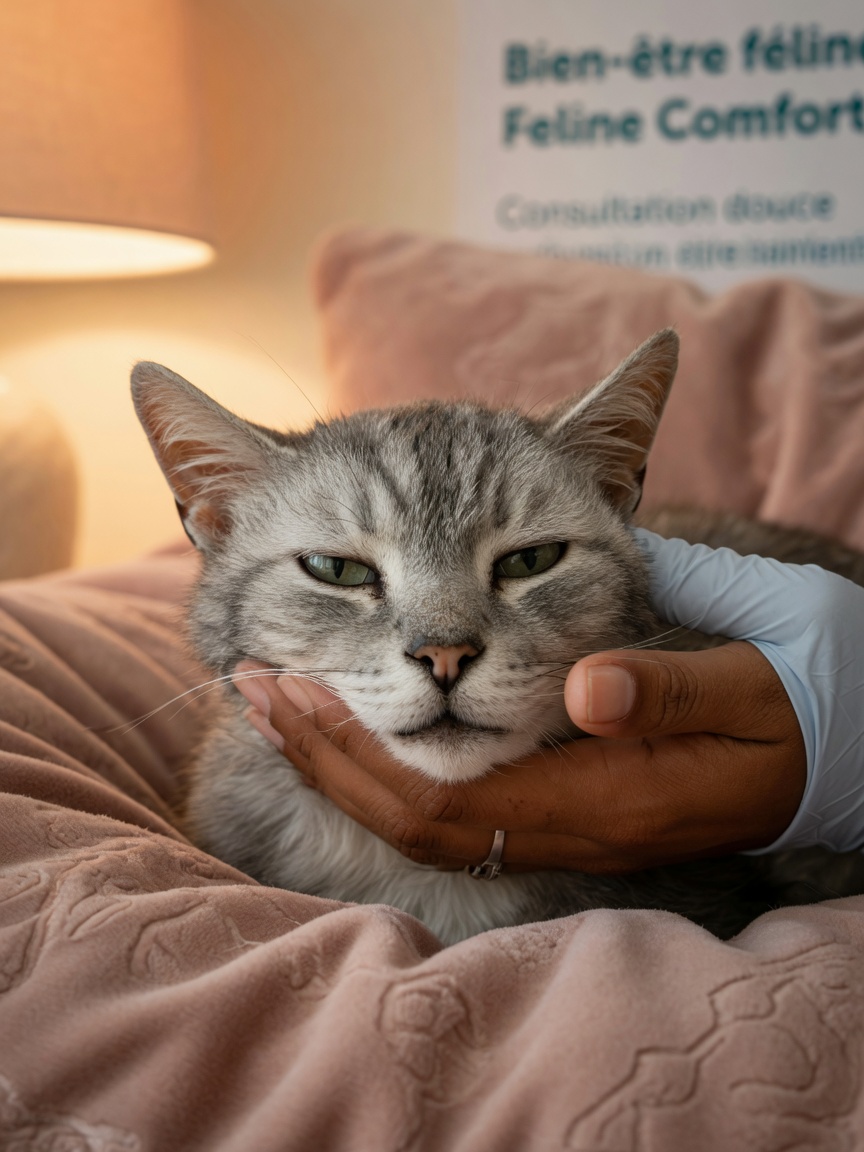
Pain in cats is frequently underrecognised. Cats are physiologically and behaviourally inclined to mask pain — an evolutionary trait from their position as both predator and prey in the wild. A cat in significant pain may simply withdraw, become less interactive, stop grooming, or sit hunched with a glazed expression. These signs are sometimes misread as the cat "just being quiet" or "getting old."
Your vet should conduct formal pain assessment at every consultation. Several validated feline pain scales exist — including the Glasgow Composite Measure Pain Scale for cats and the Feline Grimace Scale — that assess facial expression, ear position, eye openness, and body posture to provide a more objective measure of pain than observation alone.
Pharmacological pain management
The tools available for managing feline pain have expanded considerably. Non-steroidal anti-inflammatory drugs (NSAIDs) are used where organ function permits and there are no contraindications. Meloxicam is the most established NSAID in feline palliative practice and, when used at appropriate doses with regular monitoring, can be given long-term. Buprenorphine, a partial opioid agonist available in a transmucosal formulation that cats absorb through their gum tissue, is widely used for moderate to severe pain and is well tolerated. Gabapentin, originally an anticonvulsant, is increasingly recognised as a valuable adjunct for neuropathic pain — the burning, shooting discomfort associated with nerve involvement — and also carries anxiolytic properties that many unwell cats benefit from. Maropitant provides anti-nausea support and may also have some visceral pain-reducing properties.
Non-pharmacological approaches
Warmth is important — many ill cats lose the ability to thermoregulate effectively and benefit from warm bedding, heating pads set to low heat, and draught-free resting spaces. Gentle handling, minimising unnecessary procedures, and reducing environmental stressors all contribute to comfort. Some owners find that environmental enrichment — a comfortable window perch if the cat can still reach it, gentle companionship — maintains a sense of normalcy that matters to their cat's wellbeing.
Nutritional Support
Loss of appetite is almost universal in seriously ill cats and contributes significantly to decline. Cats cannot tolerate prolonged anorexia without developing hepatic lipidosis — a potentially fatal liver condition in which the liver becomes overwhelmed by mobilised fat stores. Nutritional support is therefore an active priority rather than an optional extra.
Appetite stimulants such as mirtazapine are commonly used and effective in many cats. Mirtazapine is available as a transdermal gel applied to the inner ear flap, which is convenient for cats that resist oral medication. Enteral feeding via an oesophagostomy tube — a small feeding tube placed surgically through the neck into the oesophagus under general anaesthetic — is a well-tolerated option for cats who are otherwise stable but unable to eat adequately. For owners willing and able to manage it at home, tube feeding allows consistent nutritional delivery and hydration without repeated hospitalisation.
Assessing Quality of Life
Quality of life assessment is the most important and most challenging aspect of end-of-life care. Several formal tools have been developed to help owners think systematically about their cat's experience. The HHHHHMM Quality of Life Scale, developed by Dr Alice Villalobos, evaluates hurt, hunger, hydration, hygiene, happiness, mobility, and more good days than bad.
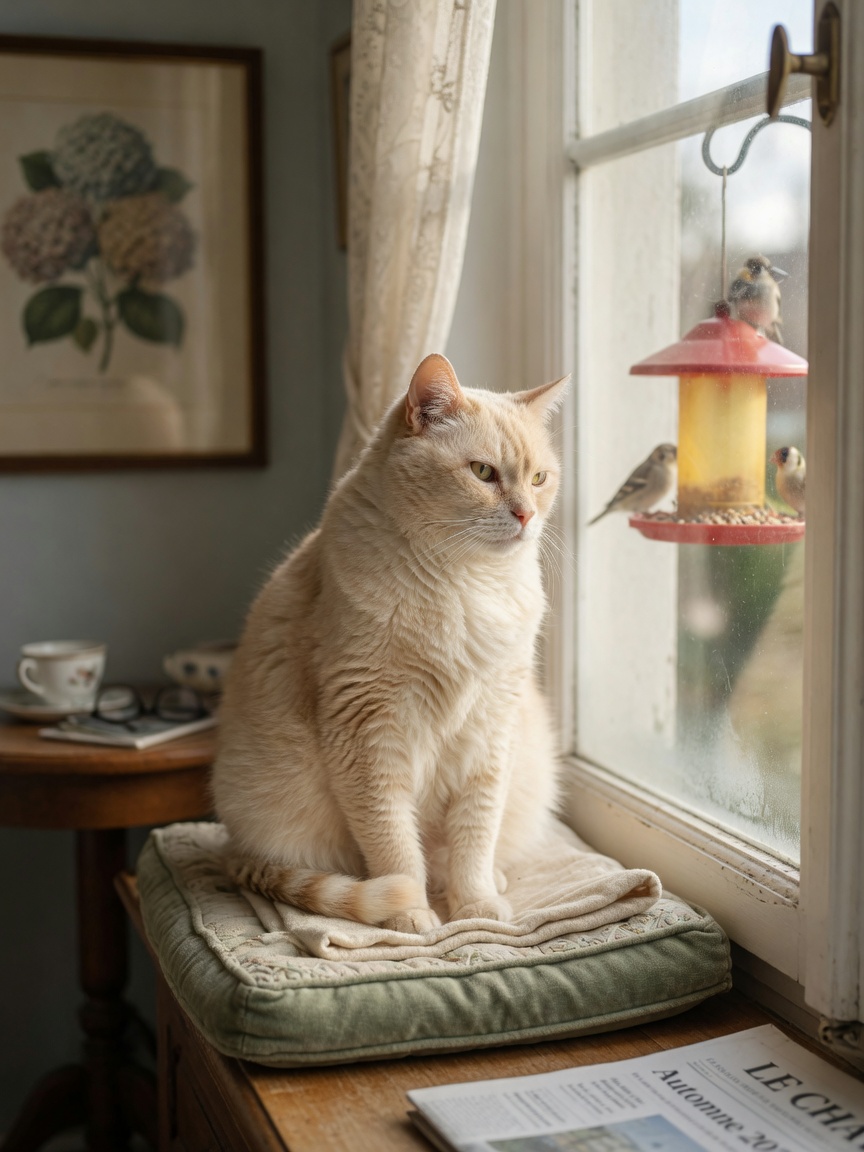
A simpler approach involves identifying the things your cat has always enjoyed — a particular sleeping spot, watching birds from a window, grooming rituals — and honestly observing how many of these remain available and meaningful to them. When the activities that defined your cat's enjoyment of life are no longer accessible or no longer bring any apparent pleasure, this is important information.
Questions worth reflecting on regularly include:
- Is my cat able to eat and drink with minimal assistance or distress
- Can my cat move to reach the litter tray, food, and resting areas
- Does my cat seek out company or interaction, even briefly
- Are there more comfortable moments than distressing ones across a typical day
- Is my cat responding to pain management, or does distress appear to persist
Having Honest Conversations with Your Vet
Your vet is your most important ally in navigating this period. Ask directly about prognosis, about what disease progression typically looks like for your cat's specific condition, and about what signs indicate that suffering is increasing. A good palliative care discussion will include what to expect in the coming days or weeks, what symptoms are manageable at home, and at what point hospitalisation or euthanasia should be considered.
Some practices offer home visits for end-of-life assessments, which removes the stress of a car journey and a clinical environment for cats who find travel very distressing. This option is worth exploring if it is available in your area.
Knowing When: Euthanasia as an Act of Care
Euthanasia is one of the most profound decisions an owner makes, and most owners carry some degree of uncertainty about timing. The most common concern is acting too soon. In reality, veterinary hospice specialists frequently observe that the more common regret is waiting too long — allowing suffering to continue beyond the point where quality of life can be meaningfully maintained.
Euthanasia in cats is a peaceful procedure. A sedative is typically given first to ensure your cat is calm and comfortable before the final injection, which induces unconsciousness and stops the heart within seconds. Your cat feels no pain or distress. Many practices allow owners to remain throughout, and many owners find that this is where they want to be.
Grief after the loss of a cat is real and valid. The bond between a cat and their owner is not diminished by the fact that the relationship was with an animal, and permission to grieve fully — without minimising the loss — is something every owner deserves.