
When Your Dog's Ear Looks Like a Water Balloon
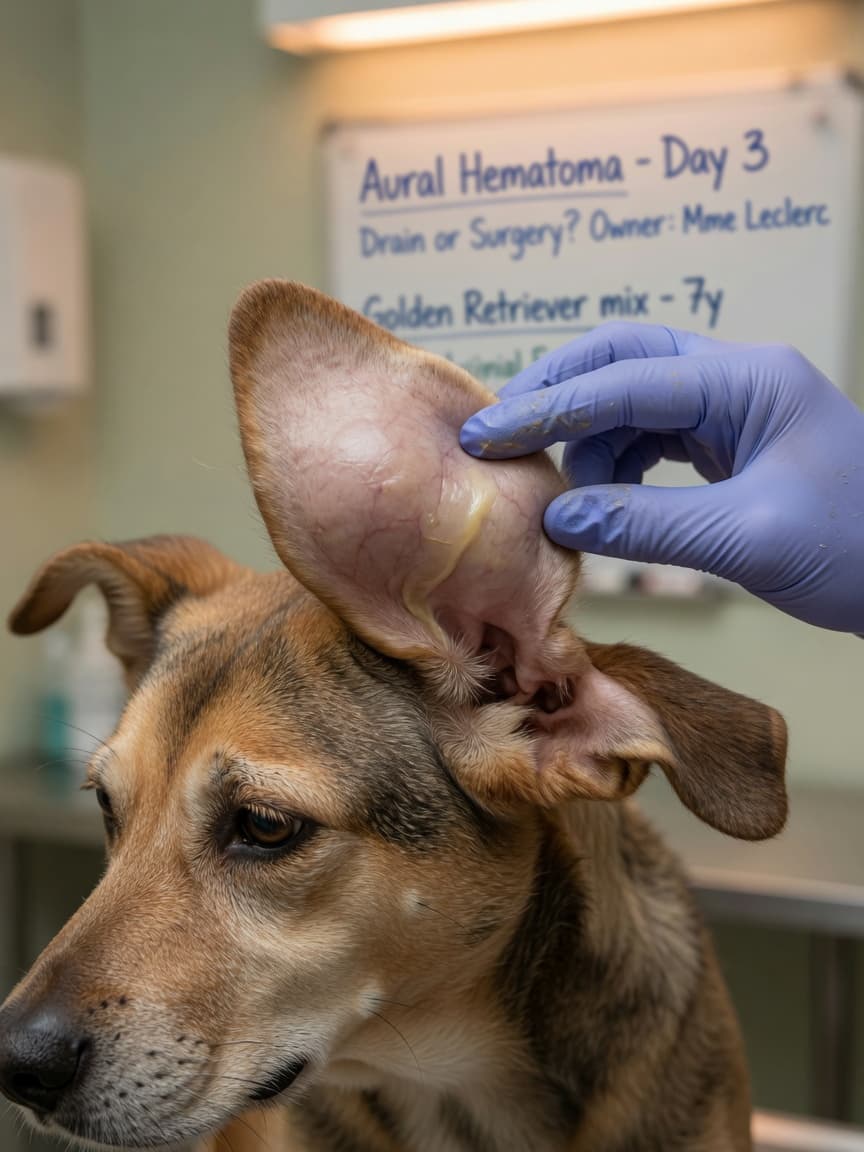
You reach down to stroke your dog and notice one ear flap has swollen into a soft, fluid-filled lump seemingly overnight. This is an aural haematoma — a pocket of blood that collects between the skin and cartilage of the ear flap. It looks alarming, and whilst it is not immediately life-threatening, it does require prompt attention. Left untreated, it can lead to permanent disfigurement and significant discomfort.
What Causes Blood to Pool in the Ear Flap
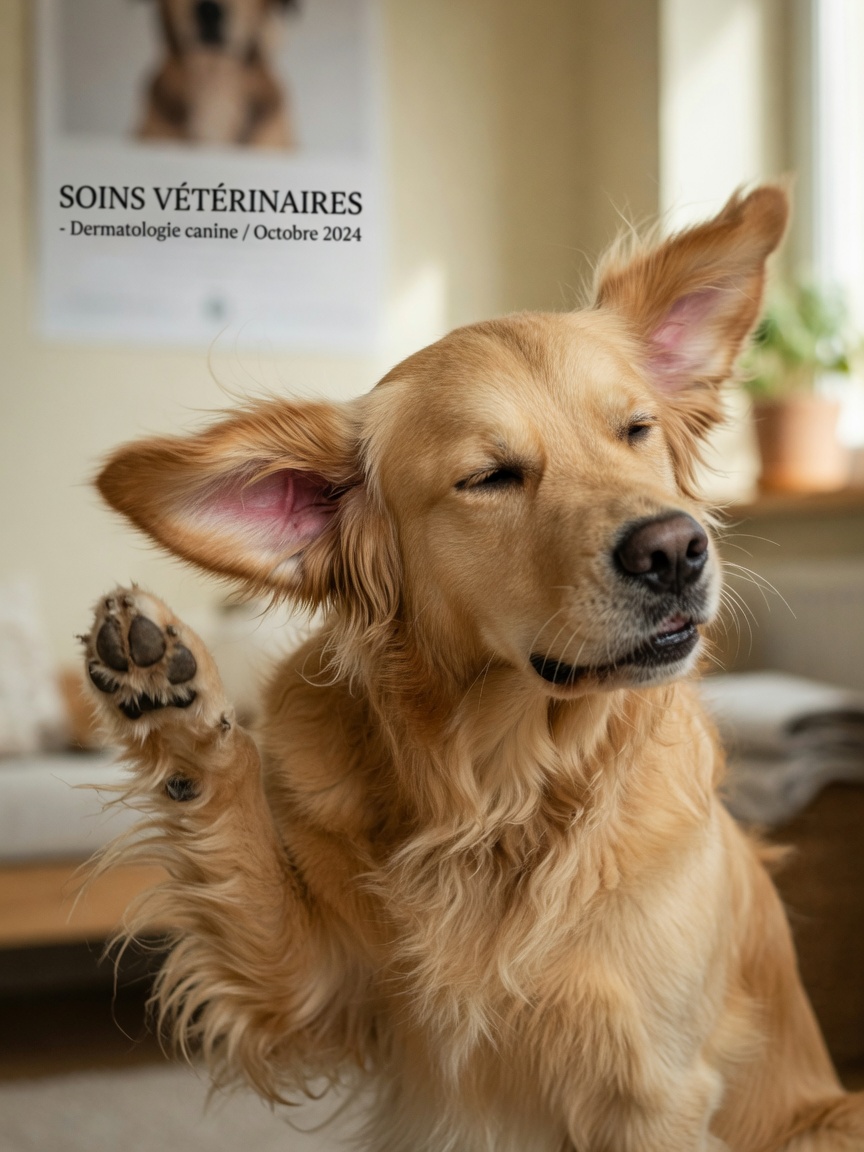
A haematoma forms when small blood vessels inside the ear flap rupture, allowing blood to accumulate in the space between layers of tissue. The trigger is almost always repeated trauma to the ear — and the most common culprit is the dog itself.
Head Shaking and Scratching
Dogs that shake their heads violently or scratch at their ears with force can rupture these vessels through sheer mechanical stress. A single vigorous episode is sometimes enough, but repeated shaking over days is a more typical pattern.
The Underlying Cause Is Rarely the Ear Alone
The real question is why the dog was shaking its head or scratching in the first place. In the vast majority of cases, there is an underlying problem such as otitis externa (outer ear infection), ear mites, allergies, a foreign body like a grass seed, or excess moisture in the ear canal. Treating the haematoma without addressing this root cause will likely result in it recurring. Dogs with large, floppy ears — such as Spaniels, Basset Hounds, and Golden Retrievers — are particularly prone because reduced airflow creates a warm, moist environment that encourages infection.
What You Will Notice
The affected ear flap becomes visibly and palpably swollen — soft and fluctuant to the touch, like a bag of warm liquid. The swelling can be partial, affecting only part of the pinna, or it may encompass the entire flap. The dog will often hold the affected ear down and may shake its head, paw at the ear, or show signs of pain when the area is touched. The ear may feel warm. In some cases, the dog will appear distressed or restless.
If you observe any of these signs, seek veterinary advice promptly. A vet can confirm the diagnosis on physical examination alone, though they will also want to examine the ear canal for infection or other underlying problems.
Treatment Options
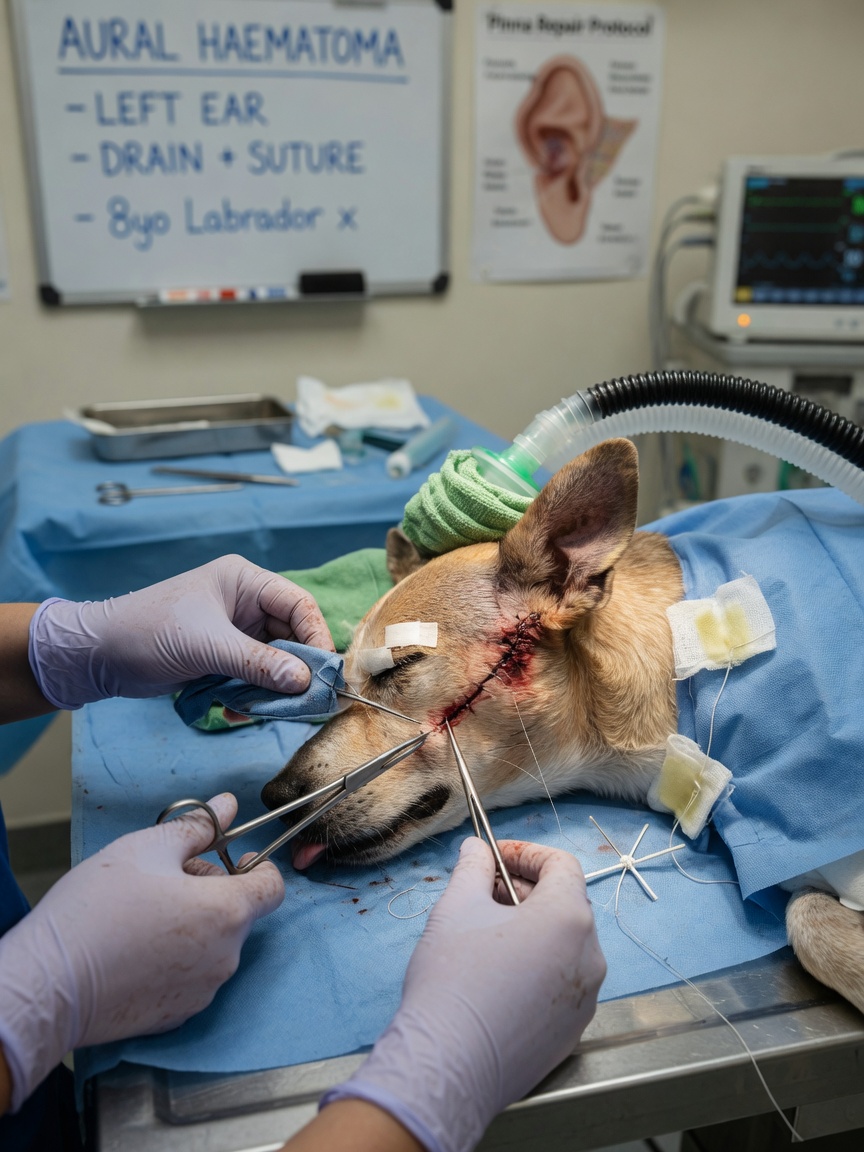
There is no single universally agreed approach to treating aural haematomas, and your vet will recommend the method best suited to your dog's specific situation, overall health, and the size of the haematoma.
Surgical Drainage and Repair
The most definitive treatment involves surgically incising the ear flap, draining the accumulated blood and clots, and then placing sutures in a pattern that prevents the space from refilling. The ear is often bandaged to the head for a period to hold everything in place during healing. This approach has a high success rate and reduces the risk of recurrence and scarring, but it does require general anaesthesia, which carries its own considerations for older or unwell dogs.
Drainage and Injection
Some vets prefer to drain the haematoma using a needle and syringe, then inject a small amount of corticosteroid into the cavity to reduce inflammation and discourage re-accumulation. This approach avoids surgery but often requires repeat visits, as refilling is common. It is sometimes preferred for dogs where anaesthesia poses a risk.
Drainage Tubes and Teat Cannulas
Another option involves placing a small drain or cannula through the ear flap to allow continuous drainage over several days. This is less invasive than full surgery but still requires careful at-home management and follow-up.
Conservative Management
In rare cases — particularly with very small haematomas, elderly dogs with concurrent illness, or owners unable to pursue surgery — a conservative approach with pain relief and anti-inflammatory medication may be considered. The blood will eventually be reabsorbed, but this process takes weeks, is uncomfortable, and commonly results in thickening and permanent deformity of the ear, sometimes called a "cauliflower ear." This outcome is best avoided where possible.
Addressing the Root Cause
Whatever treatment is chosen for the haematoma itself, your vet will assess the ear canal for infection, mites, or other problems. If otitis is present, it will need to be treated with appropriate ear drops, cleaners, or systemic medication. If allergies are the suspected driver of chronic ear scratching, a longer-term management plan — potentially including dietary changes or allergy testing — may be discussed. Without tackling the reason the dog was scratching, the cycle is likely to repeat.
Recovery and What to Expect
Post-operative recovery is generally straightforward. Dogs are usually sent home with an Elizabethan collar to prevent further scratching, pain relief medication, and instructions for wound care. Sutures are typically removed after two to three weeks. Some thickening of the ear flap is normal even with surgical treatment, but the aim is to preserve as much of the natural appearance and structure as possible.
Key Takeaways for Dog Owners
- An aural haematoma is a blood-filled swelling of the ear flap caused by ruptured blood vessels, usually triggered by head shaking or scratching.
- The underlying cause — most commonly ear infection, mites, or allergy — must be identified and treated.
- Surgical drainage and suturing is the most reliable treatment and reduces the risk of recurrence and permanent deformity.
- Do not attempt to drain the haematoma at home — this carries a serious risk of infection and will not address the cause.
- Seek veterinary advice as soon as you notice swelling; early treatment gives the best outcome.
- Always consult your vet before deciding on a course of treatment, particularly for dogs with underlying health conditions.