
Why Ear Infections Are So Common in Dogs
Ear infections are one of the most frequently diagnosed conditions in dogs across the UK and Europe. Studies suggest that otitis externa, an infection of the external ear canal, accounts for a significant proportion of all veterinary consultations. While the condition is rarely life-threatening when caught early, recurrent or untreated infections can cause permanent damage to the ear canal and lead to more serious problems deeper within the ear.
The anatomy of the canine ear is a contributing factor to its susceptibility. Dogs have an L-shaped ear canal, with a vertical section dropping down before turning horizontally towards the eardrum. This structure creates a warm, humid environment in which bacteria and yeast thrive, and makes natural drainage more difficult than in species with shorter, straighter canals.
Types of Ear Infection: Externa, Media, and Interna
Otitis externa refers to infection or inflammation of the external ear canal, the portion visible when you look into your dog's ear. This is by far the most common type and is typically the easiest to treat when addressed promptly.
Otitis media involves the middle ear, the small chamber behind the eardrum. It usually occurs as an extension of untreated externa, with bacteria or yeast penetrating through a ruptured eardrum. This form is considerably more serious and requires more intensive treatment, often including systemic antibiotics.
Otitis interna, or inner ear infection, affects the deepest structures of the ear and can impact balance and neurological function. This is the most severe form and constitutes a veterinary emergency. Dogs with otitis interna often present with a marked head tilt, loss of balance, falling or rolling to one side, and rapid involuntary eye movements known as nystagmus.
Common Causes of Ear Infections in Dogs
Ear infections in dogs are rarely caused by a single factor. In most cases, there is an underlying reason why the ear's normal defences have been compromised, followed by overgrowth of bacteria or yeast.
Bacteria such as Staphylococcus pseudintermedius and Pseudomonas aeruginosa are among the most common bacterial causes. Yeast infections caused by Malassezia pachydermatis are also extremely common, often producing a distinctive musty or sweet odour along with a brown or dark discharge.
Allergies are the single most significant underlying cause of recurrent ear infections in dogs. Both environmental allergies (atopic dermatitis) and food allergies can cause chronic inflammation in the ear canal, predisposing dogs to repeat infections. If your dog suffers from ear infections more than once or twice a year, allergy investigation is strongly recommended.
Foreign bodies, particularly grass seeds, are a seasonal cause of sudden-onset ear problems, especially in dogs that exercise in long grass during summer. A grass seed lodged in the canal causes intense irritation and often leads to rapid secondary infection. Ear polyps and tumours, though less common, can also obstruct the canal and promote infection.
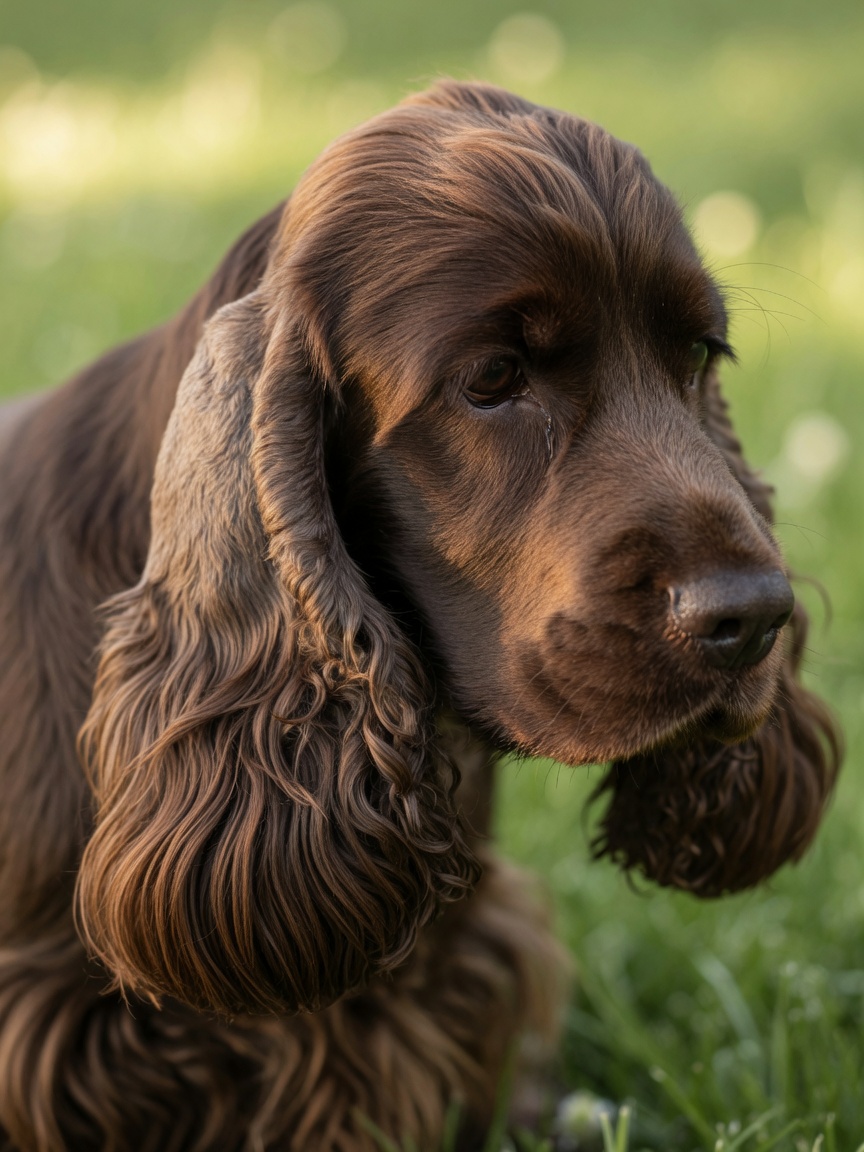
Breed anatomy plays a role. Dogs with pendulous ears, such as Cocker Spaniels, Basset Hounds, and Golden Retrievers, have reduced airflow into the canal, creating the warm, moist conditions that microorganisms prefer. Dogs with narrow or hairy ear canals are similarly predisposed.
Recognising the Signs
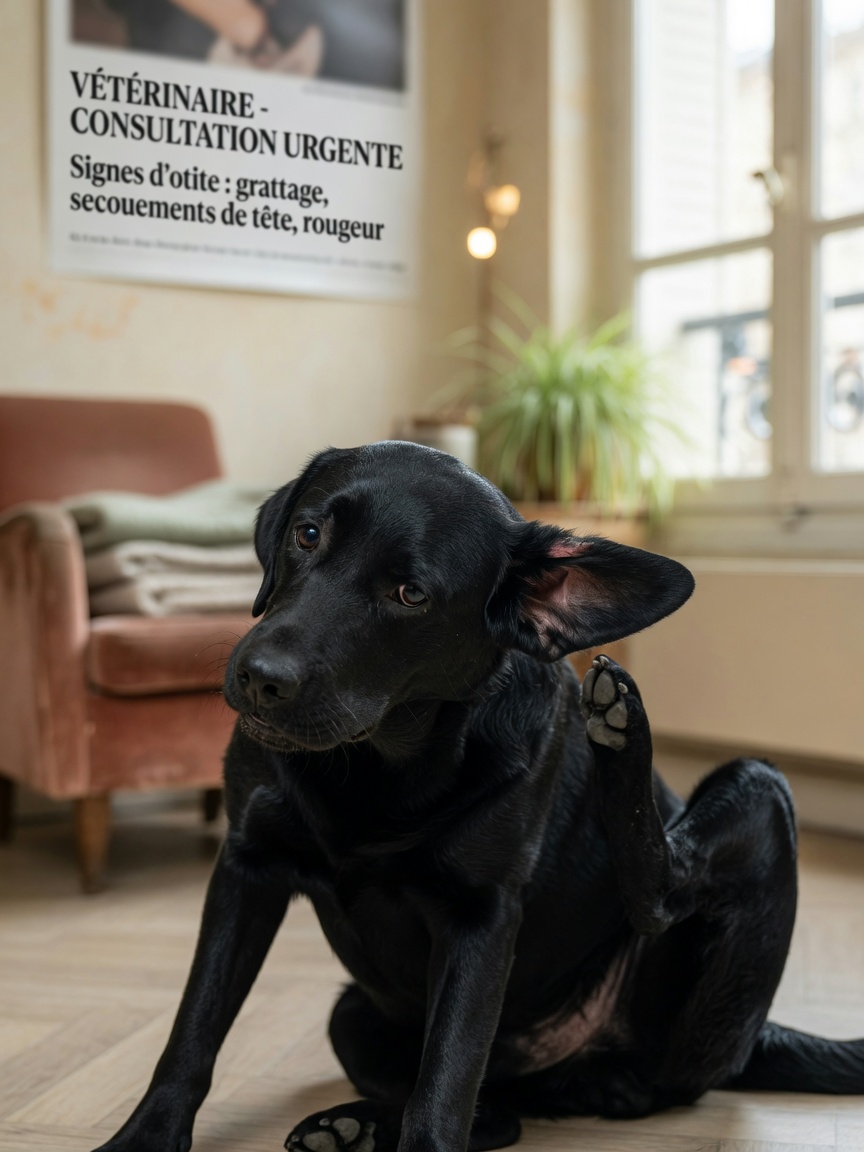
Many dogs with early ear infections show subtle signs that are easy to miss. Frequent scratching at one or both ears is often the first thing owners notice. Head shaking, particularly after being outside or after waking, is another common early indicator. Closer inspection may reveal redness inside the ear flap, a discharge that can range from pale yellow to dark brown, and an unpleasant smell.
As the infection progresses, the dog may become reluctant to have its ears touched, tilting its head away or vocalising when the ear is examined. Swelling of the canal may be visible, and the skin inside the ear can become thickened and greasy in chronic cases.
When to Seek Urgent Veterinary Attention
Most ear infections are not emergencies, but certain signs demand prompt action. A head tilt that persists and is accompanied by a loss of balance, an inability to walk in a straight line, falling to one side, or rapid eye movements are signs that the infection may have spread to the middle or inner ear. These symptoms indicate otitis media or interna and require immediate veterinary assessment.
Sudden and severe pain, a dog that cries when its ear is touched, a dramatically swollen ear flap (which may indicate an aural haematoma), or signs of neurological change such as facial paralysis should all prompt an urgent appointment or out-of-hours veterinary contact.
Diagnosis: What Your Vet Will Do
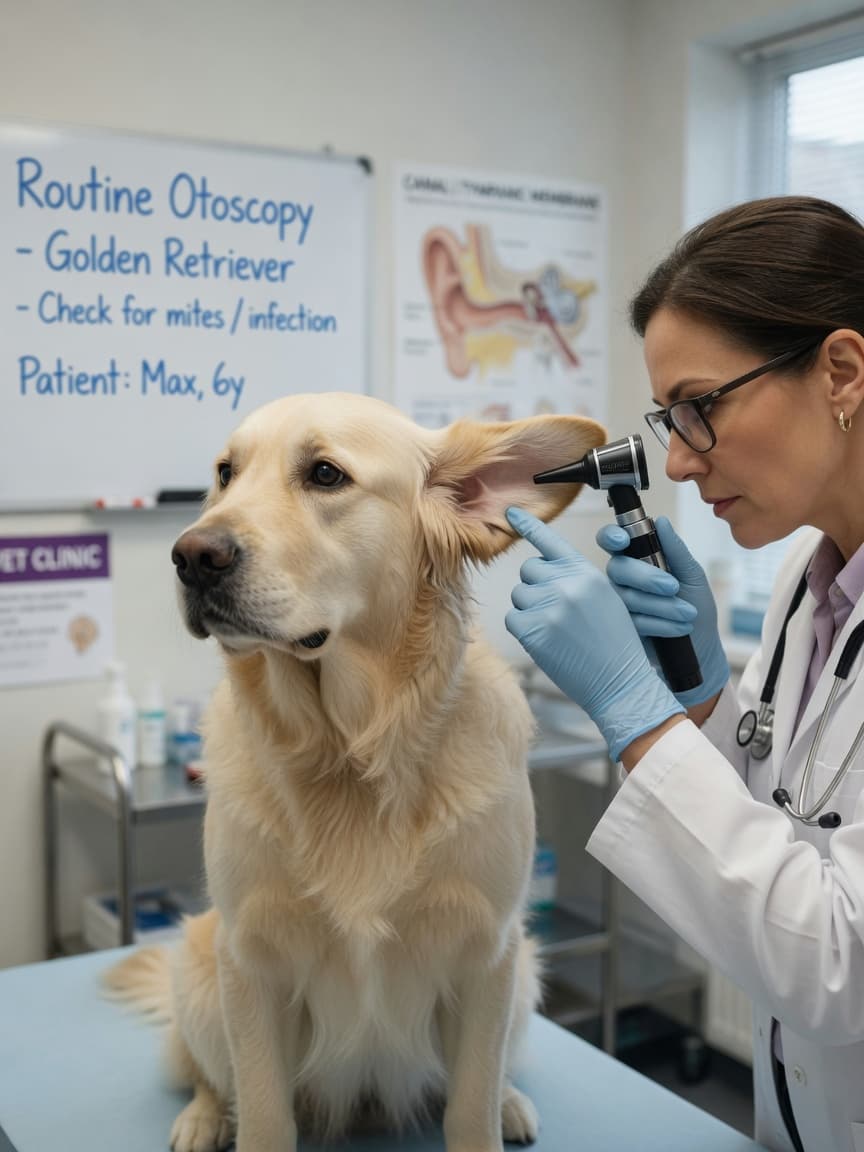
Your veterinarian will begin with a thorough otoscopic examination, using a specialised instrument to visualise the ear canal and assess the condition of the eardrum. This is essential before any treatment is prescribed, as certain ear drops are contraindicated if the eardrum is ruptured.
Cytology, the microscopic examination of a sample taken from the ear canal, is the most important diagnostic step. This allows the vet to identify whether bacteria, yeast, or a combination of both are involved, and in what proportions. The results directly guide treatment choice.
In chronic or recurrent cases, bacterial culture and sensitivity testing may be performed to identify the specific organisms present and determine which antibiotics will be effective. This is particularly important when resistant organisms such as Pseudomonas are suspected.
Treatment Options
Treatment for otitis externa typically involves ear drops containing a combination of antibiotic, antifungal, and anti-inflammatory agents. These are applied directly into the cleaned ear canal, usually once or twice daily for one to two weeks. It is essential to complete the full course even if the dog appears to have improved.
Before applying ear drops, the canal should be gently cleaned to remove discharge and debris. Ear flushing under sedation or anaesthetic may be required by your veterinarian if the canal is heavily occluded or if the dog is too painful to tolerate conscious examination. Home flushing without professional guidance is not recommended, as it carries a risk of pushing debris further into the canal or damaging the eardrum.
Otitis media typically requires systemic antibiotics in addition to topical treatment, and the course of treatment is significantly longer, often six to eight weeks or more.
Prevention: Keeping Ears Healthy
Prevention is far preferable to repeated treatment. After swimming or bathing, dry the ears thoroughly using a soft cloth or cotton wool. Avoid pushing cotton buds into the ear canal, as this compacts debris and risks damaging the canal lining.
Regular ear checks at home, perhaps once a week, allow you to catch early changes before they become established infections. Healthy ears have a pale pink colour, no discharge, and minimal odour. Any deviation from this baseline warrants veterinary attention.
If your dog has allergies, working with your vet to manage the underlying condition is the most effective long-term strategy for reducing the frequency of ear infections. Hyposensitisation therapy, dietary management, or long-term allergy medication may all have a role depending on the individual dog.