
Why a Year-Round Health Routine Matters More Than You Think
Most dog owners think about their pet's health reactively — a limp here, a patch of missing fur there, and suddenly it's a dash to the vet. After twelve years working alongside veterinarians, I can tell you that the dogs who stay healthiest are the ones whose owners treat prevention as a habit rather than an afterthought. A structured year-round checklist won't replace professional veterinary care, but it will help you catch problems early, reduce costly emergency visits, and give your dog the best possible quality of life at every age.
January to March: The Winter Health Window
Skin, Coat and Joint Checks
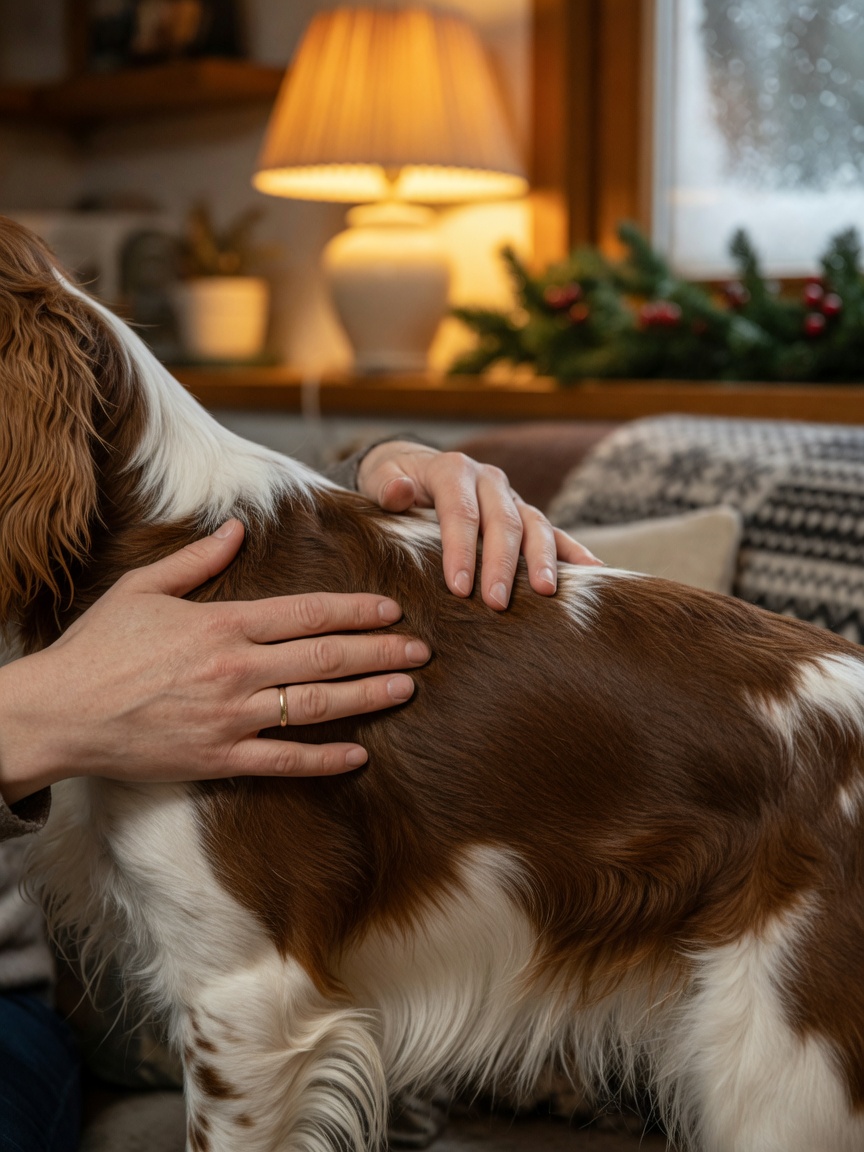
Winter is harder on dogs than many people realise. Cold temperatures, central heating, and reduced outdoor activity can all affect your dog's wellbeing. During these months, run your hands over your dog's coat at least once a week. You're feeling for lumps, dry or flaky skin, and any areas of heat or tenderness around the joints. Older dogs and larger breeds are especially prone to stiffness in cold weather, which can be mistaken for general laziness.
If your dog is on year-round joint supplements such as glucosamine or omega-3 fatty acids, winter is a good time to reassess whether the dosage is working. Look for changes in how readily your dog gets up from lying down or climbs stairs.
Weight Monitoring
Dogs often gain weight in winter due to reduced exercise. Weigh your dog monthly and keep a simple log. Obesity is one of the most underestimated health risks in dogs, contributing to diabetes, joint deterioration, heart disease, and reduced life expectancy. You should be able to feel your dog's ribs without pressing hard, but not see them. If you're unsure, most veterinary practices offer free nurse weight checks.
April to June: Spring Prevention Season
Parasite Control Review
As temperatures rise, flea and tick activity surges. April is the time to review your parasite prevention protocol with your vet. There is no universally correct product — the right choice depends on your dog's size, age, health status, and your local environment. Dogs who spend time in woodland or long grass are at considerably higher risk of tick-borne diseases, including Lyme disease.
Spring is also the time to reassess your dog's worming schedule. Adult dogs should typically be treated every three months, but dogs with high outdoor exposure or those who hunt may need more frequent treatment.
Annual Vaccination Boosters
Most dogs require annual or triennial booster vaccinations depending on the specific disease. Core vaccines in the UK cover distemper, parvovirus, hepatitis, and leptospirosis. Speak to your vet about whether kennel cough (Bordetella) vaccination is appropriate, particularly if your dog attends doggy day care, grooming salons, or boarding kennels.
July to September: Warm Weather Vigilance
Heatstroke Prevention
Heatstroke is a genuine emergency that kills dogs every summer, and it happens faster than most owners expect. A dog left in a car on a 22-degree day can experience a fatal internal temperature within minutes. Never leave your dog in a vehicle in warm weather, even with windows cracked. During walks, avoid the hottest part of the day, which is typically between 11am and 3pm, and test the pavement with the back of your hand — if it's too hot to hold for five seconds, it's too hot for your dog's paw pads.
Ear and Paw Health
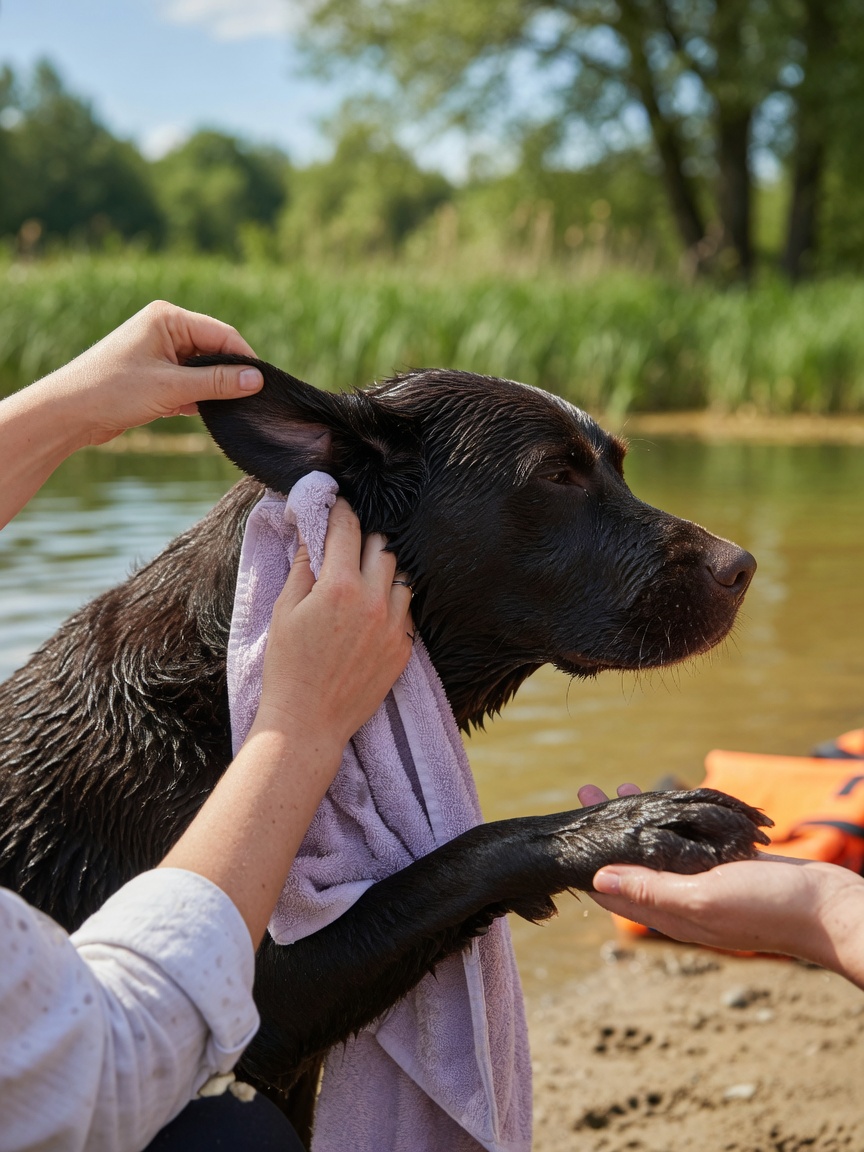
Swimming dogs and those who spend time in long grass need extra attention to ears and paws in summer. Moisture trapped in the ear canal creates ideal conditions for bacterial and yeast infections. After swimming, gently dry the outer ear with a soft cloth. If your dog is shaking their head, scratching at their ears, or you notice a smell or discharge, see your vet promptly — ear infections that go untreated become chronic and much harder to resolve.
October to December: Autumn and Winter Preparation
The Annual Veterinary Health Check
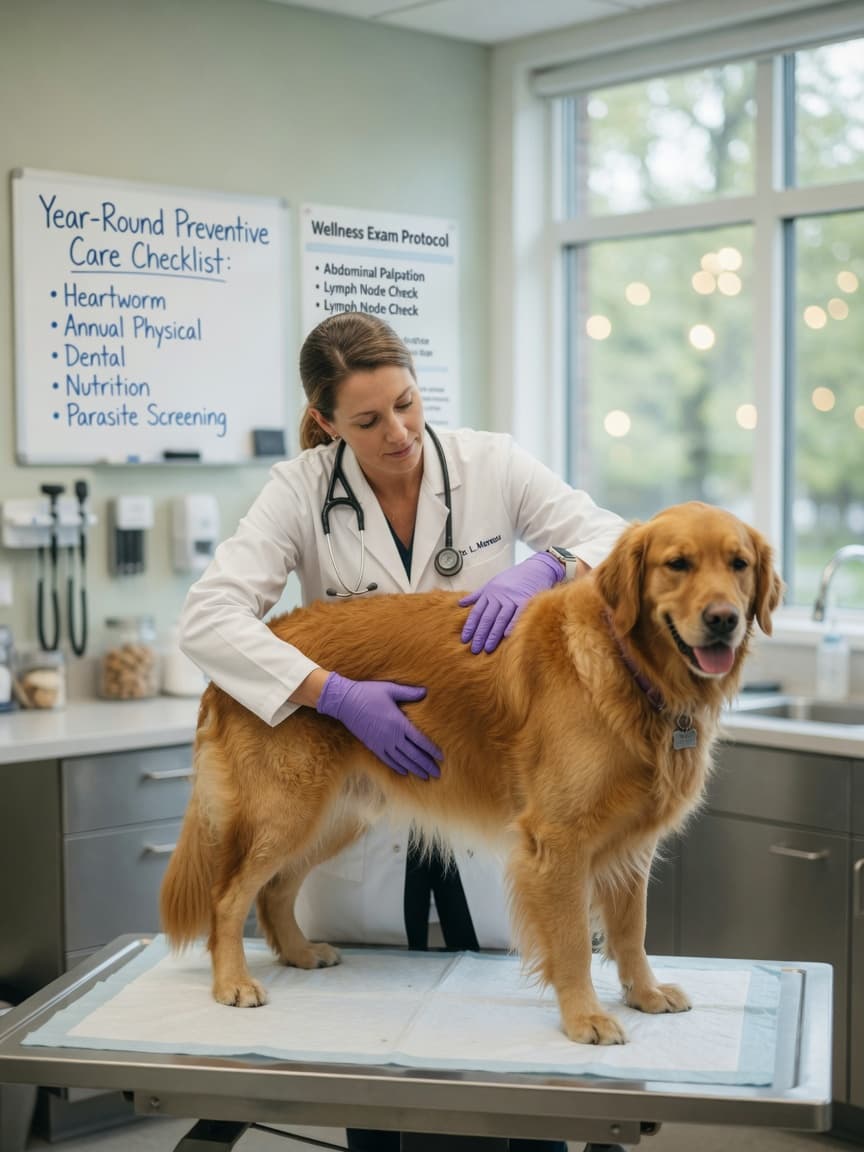
If you haven't already scheduled your dog's annual health examination, autumn is an excellent time to do so. A thorough vet check should include body condition scoring, dental assessment, heart and lung auscultation, abdominal palpation, and a review of any medications or supplements your dog takes. Many diseases, including kidney disease, thyroid dysfunction, and early diabetes, can be detected through a physical examination long before obvious symptoms appear.
Dental Health
Periodontal disease affects the majority of dogs over the age of three, and it is almost entirely preventable. Daily tooth brushing with a dog-specific toothpaste is the gold standard. If your dog won't tolerate a brush, dental wipes, water additives, and veterinary-approved dental chews are useful alternatives. Dental disease is not just a mouth problem — bacteria from infected gum tissue can enter the bloodstream and cause damage to the kidneys, heart, and liver.
Monthly and Weekly Habits That Make the Biggest Difference
- Check eyes weekly for discharge, redness, or cloudiness
- Inspect paws after walks for cuts, foreign objects, or interdigital cysts
- Weigh your dog monthly and track the results
- Brush teeth daily or as often as possible
- Check the skin during grooming sessions for lumps, bumps, or changes in pigmentation
- Monitor water intake — increased thirst is an early indicator of several serious conditions
- Observe your dog's toilet habits — changes in frequency, consistency, or straining are worth noting
Knowing Your Dog's Normal Baseline
One of the most valuable things you can do as a dog owner is to learn what normal looks like for your individual animal. How much does your dog usually eat? How often do they drink? What is their resting energy level? Dogs cannot tell you when something is wrong, so you are their first line of defence. When you know your dog's baseline behaviour intimately, you are far better placed to notice when something has shifted — and that early awareness is what saves lives.