
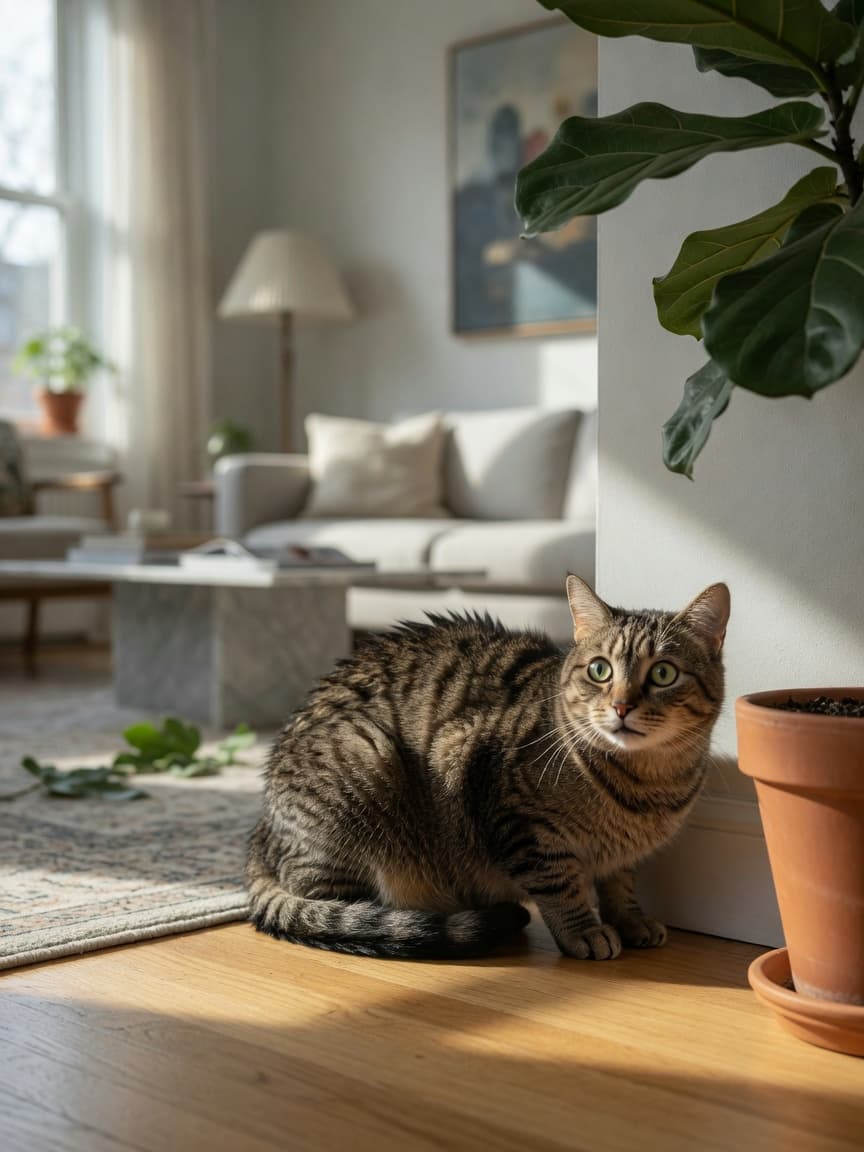
Why Cats Hide Stress So Well
Cats are solitary hunters by nature, and showing vulnerability in the wild is dangerous. As a result, they have evolved to mask pain and emotional distress far more effectively than dogs. By the time a cat displays obvious behavioural changes, they may have been struggling for weeks or even months. Recognising the early, subtler signs is one of the most valuable things you can do as a cat owner.
Stress in cats is not just an emotional concern. Chronic anxiety can weaken the immune system, disrupt digestion, and contribute to serious conditions such as feline idiopathic cystitis. Understanding what triggers stress and how to respond can make a genuine difference to your cat's long-term health and quality of life.
Behavioural Signs of Stress in Cats
Cats communicate anxiety through behaviour rather than vocalisation. Some signs are dramatic and hard to miss; others are easy to dismiss as a cat simply being a cat. Knowing the full picture helps you respond earlier and more effectively.
Urine Marking and Litter Tray Avoidance
Spraying urine on vertical surfaces such as walls or furniture is one of the most recognisable signs of feline stress. It is a way cats communicate territorial insecurity and signal their presence to other animals. Similarly, a cat that stops using their litter tray entirely, or begins eliminating in unusual places, may be reacting to emotional distress rather than a physical problem. Always rule out a urinary tract infection or bladder issue with your vet first, as the two can look identical.
Over-Grooming and Psychogenic Alopecia
Some cats respond to anxiety by grooming excessively, far beyond normal hygiene behaviour. This can result in thinning fur, bald patches, or skin irritation, most commonly on the belly, inner thighs, and forelegs. This condition is called psychogenic alopecia and is essentially a self-soothing compulsion. If your cat appears to groom obsessively or you notice unexplained hair loss, a vet assessment is essential to distinguish stress-related grooming from allergies or parasites.
Scratching Furniture and Other Surfaces
Scratching is a natural feline behaviour used to maintain claws and deposit scent. However, a stressed cat may scratch significantly more than usual, often targeting furniture, doorframes, or carpets in prominent locations. This is another way of marking territory and seeking reassurance. Providing appropriate scratching posts does help, but addressing the underlying stressor is the more lasting solution.
Hiding, Withdrawal, and Changes in Routine
A cat that suddenly spends hours under the bed, in a wardrobe, or tucked away in corners is telling you something is wrong. Withdrawal from human contact, reduced interest in play, and a general change in daily routine are all worth noting. Equally, some cats become clingier and more vocal when stressed, following owners around or crying more than usual.
Aggression, Appetite Changes, and Digestive Upset
Stress can manifest as aggression toward people or other animals in the household, even in cats that are normally placid. Hissing, swatting, and unprovoked attacks may all have an anxiety component. Changes in appetite, both eating significantly more or losing interest in food entirely, are also common. Vomiting and diarrhoea without an obvious dietary cause can reflect emotional distress, though these symptoms always warrant a veterinary check to rule out illness.
How the ISFM Assesses Feline Stress
The International Society of Feline Medicine, known as ISFM, has developed guidelines to help vets and owners assess feline wellbeing systematically. Their approach encourages owners to consider changes in behaviour over time, rather than assessing a cat in isolation. The ISFM recommends keeping notes on any new or unusual behaviours, their frequency, and what was happening in the household at the time. This kind of behavioural diary is often invaluable when working with a vet or behaviourist to identify triggers and track improvement.
Common Stressors in the Home Environment
Understanding what upsets cats in everyday life is the first step toward making meaningful changes. The following are among the most common triggers reported by cat owners and confirmed in veterinary research.
- Multi-cat household conflict, including subtle social tension that owners may not notice
- The arrival of a new pet, a new baby, or an unfamiliar person moving into the home
- Building or renovation work, loud machinery, or prolonged disruption to the home layout
- Vet visits, which many cats find deeply distressing even with minimal handling
- Sudden changes to diet, feeding times, or the type of bowl used
- Dirty or poorly positioned litter trays, or a change in litter brand
- Outdoor threats such as neighbouring cats, foxes, or loss of access to a garden
Environmental Solutions That Make a Real Difference
One of the most evidence-based approaches to reducing feline stress is improving the physical environment. The resources-per-cat-plus-one rule is a widely recommended starting point: every cat in the household should have access to one more resource than the number of cats. This means litter trays, food bowls, water sources, scratching posts, resting spots, and hiding places.
Vertical space is often overlooked but extremely important. Cats feel safer when they can observe their environment from height. Cat trees, shelving, and window perches all allow cats to retreat to a position where they feel in control. Separate feeding stations prevent competition at mealtimes, which is a common but silent source of conflict in multi-cat homes.
Feliway and Zylkene: Practical Aids for Anxious Cats
Feliway Classic is a synthetic version of the facial pheromone cats deposit when they rub their faces on objects, a signal associated with safety and familiarity. Used as a plug-in diffuser or spray, it can help reduce urine marking, hiding, and general anxiety. Feliway Friends is a separate product designed specifically for multi-cat households. It mimics the pheromone that a mother cat produces to reassure her kittens and can reduce inter-cat tension and conflict.
Zylkene is a non-prescription supplement containing alpha-casozepine, a natural compound derived from milk protein that has calming properties. It is available in capsule form and can be mixed into food. It is often recommended ahead of known stressful events such as fireworks, house moves, or the introduction of a new pet, and is generally well tolerated.
When to See a Vet
Any significant change in your cat's behaviour or physical condition should prompt a veterinary visit before you pursue behavioural solutions. Urine marking, over-grooming, appetite loss, vomiting, and litter tray avoidance all have medical causes that must be excluded first. A vet can also discuss whether prescription options such as short-term anti-anxiety medications might be appropriate alongside environmental management.
When to Consult a Feline Behaviourist
If environmental changes and veterinary support have not resolved the problem, a referral to an accredited feline behaviourist is the right next step. Look for practitioners registered with the Association of Pet Behaviour Counsellors, known as APBC, or qualified through COAPE, the Centre of Applied Pet Ethology. These professionals conduct thorough behavioural assessments and provide tailored action plans. Stress in cats is very manageable with the right guidance, and most cats respond well when their environment and social needs are properly understood.